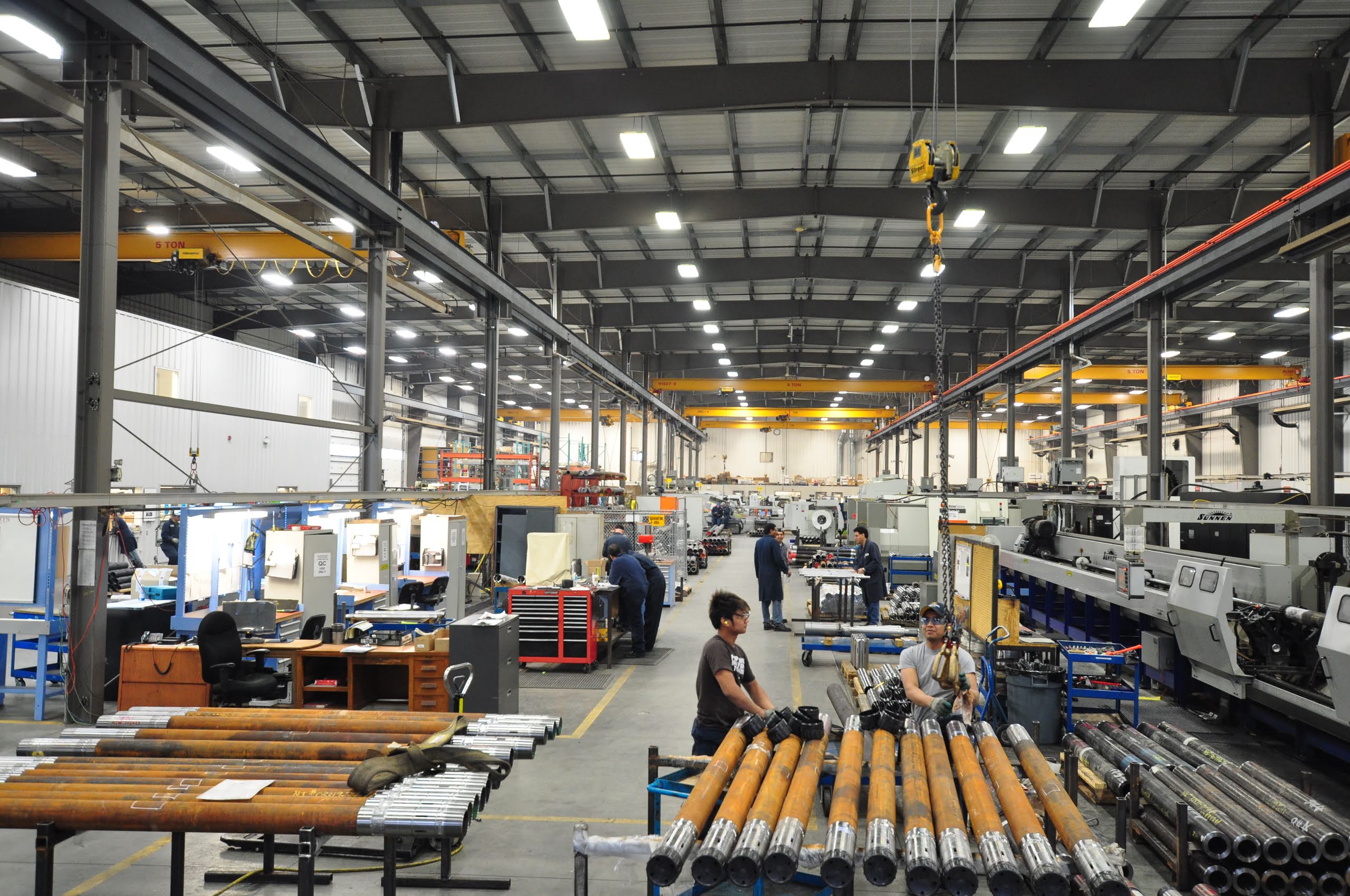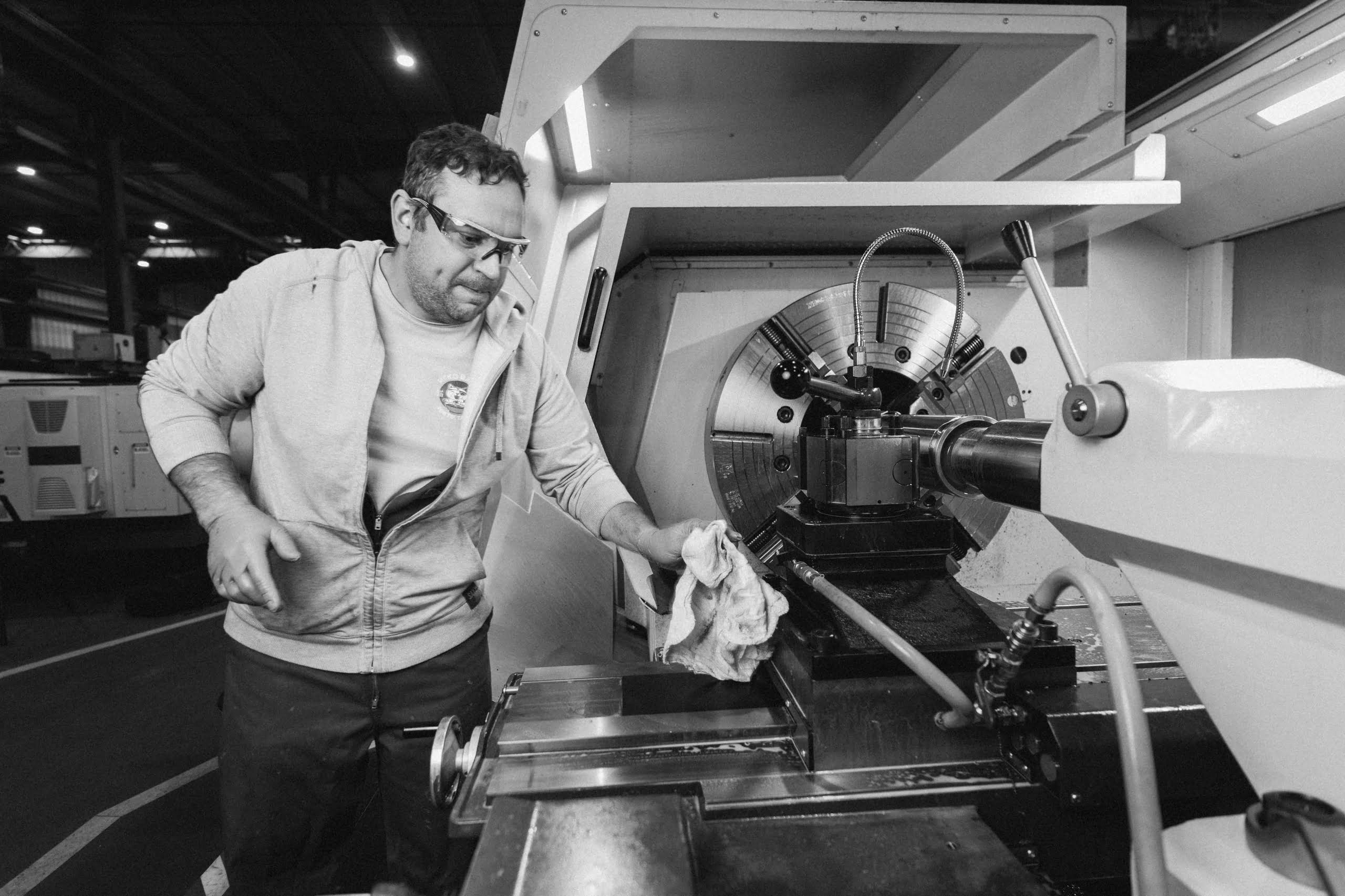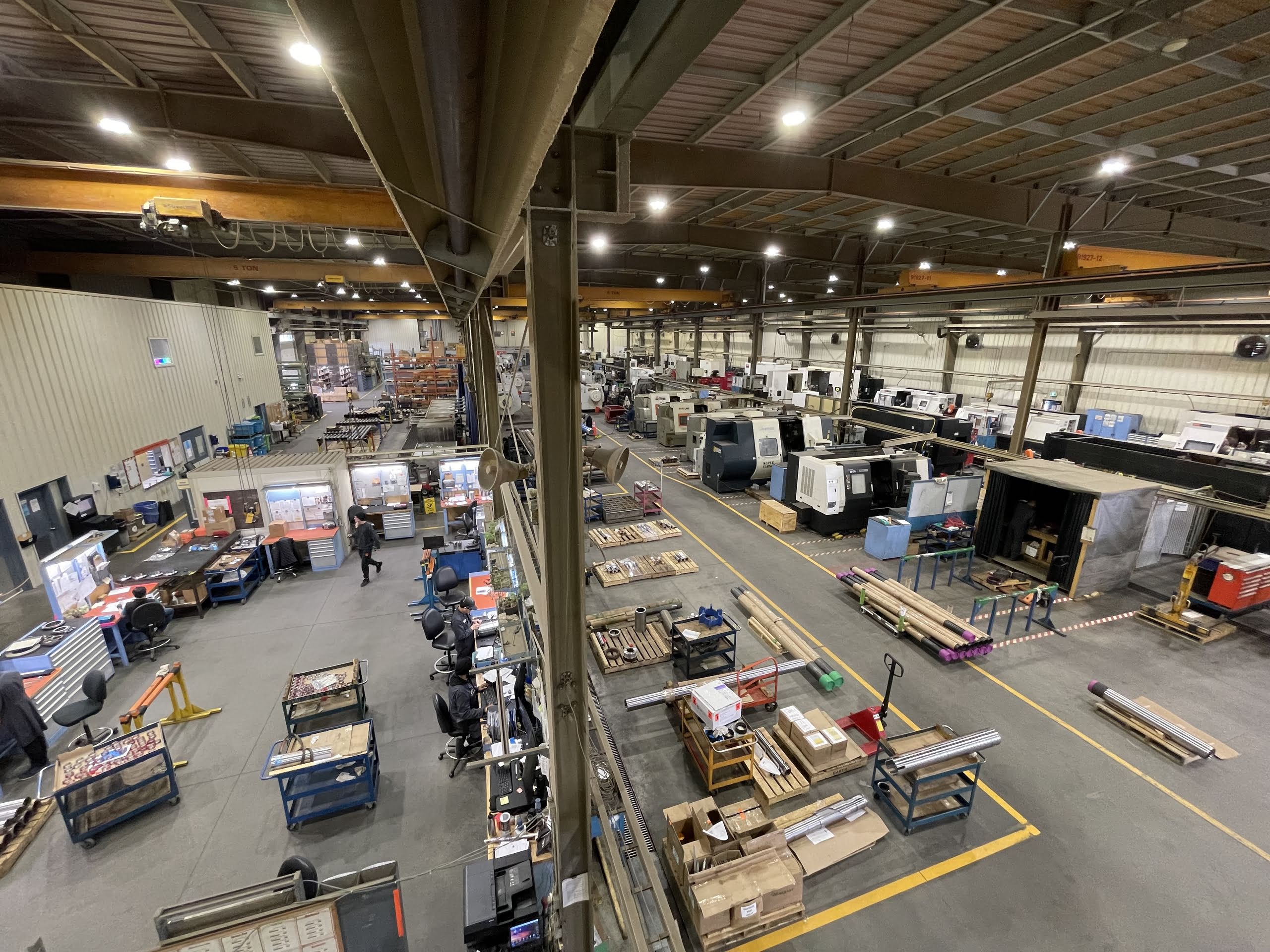
Oil and gas CNC machining frequently involves difficult materials, pressure-related geometries, deep internal features and demanding documentation. Engineers evaluating a supplier need confidence that the shop understands both the drawing and the operating context behind it.
The best manufacturing discussions go beyond whether the part fits on a machine. They address material condition, datum strategy, process sequence, special characteristics, inspection, traceability, testing and the ability to manage change.
Understanding the Application
A component’s end use influences manufacturing risk. A part exposed to pressure, sour service, erosion, cyclic loading or extreme temperature may have requirements that are not obvious from basic geometry alone.
Engineers should provide all applicable specifications and clearly identify critical features, pressure boundaries, sealing surfaces, material conditions and prohibited substitutions.
Material Experience
Oilfield components may use carbon and alloy steels, stainless grades, nickel alloys or other materials selected for strength, corrosion resistance, temperature or wear. Each creates different challenges for cutting, workholding, tool life, heat control and surface integrity.
The supplier should understand how material condition and heat treatment affect machining strategy and final dimensional stability.
Machine and Process Capability
Engineers should match the component to the shop’s actual equipment. Long shafts, large diameters, multi-axis features, precision threads and deep bores may require specialized work cells.
Norquest provides integrated multi-axis machining and deep-hole drilling, pull boring and honing in Edmonton. The published equipment list supports an early fit assessment.
Quality Systems and API Spec Q1
A quality-management system creates structure around contract review, risk, supplier control, production, inspection and corrective action. API Spec Q1 adds requirements specifically relevant to organizations supplying products for the petroleum and natural gas industry.
Norquest is registered to API Spec Q1, 10th Edition and ISO 9001:2015. Its certification details and QA processes are available online.
Inspection and NDE
Dimensional inspection should be planned around function and manufacturing sequence. CMM or portable coordinate measurement may be appropriate for complex relationships, while bore gauges, profilometers, thread gauges and other tools may be better for specific features.
MPI, LPI, pressure testing or other verification may be required depending on the product and governing specification. The exact method and acceptance criteria must be defined by the contract.
Material and Process Traceability
Engineers often require proof that the correct material and processes were used. The manufacturer should preserve identity through machining and connect the finished part to material records, outside-process certificates and inspection results.
Norquest supports this through inspection and traceability and tailored final documentation.
Assembly and Functional Testing
Delivering an assembled, tested unit can expose issues that would not be visible in individual part inspection. Fit, torque, movement, sealing and pressure performance may need to be evaluated before field installation.
Norquest’s assembly and testing services range from controlled mechanical builds to functional verification and logistics support.
Engineer-to-Manufacturer Communication
The supplier should ask specific questions and present manufacturability concerns early. Engineers should respond through controlled channels and ensure drawing or specification changes are formally released.
This collaboration reduces interpretation risk while preserving design authority.
- Identify critical and special characteristics
- Define inspection reports and sampling
- Clarify material and process substitutions
- Establish deviation and concession authority
- Agree on document-review and witness points
- Confirm packaging, preservation and delivery conditions
Frequently Asked Questions
Why is deep-hole honing used in oilfield parts?
Honing can improve bore size, geometry and surface finish, which may be important for sealing, friction and component life.
Is API Spec Q1 required for every oil and gas part?
Requirements depend on the customer, product and contract. It is a relevant supplier-quality credential for petroleum and natural gas manufacturing.
What should engineers send with an RFQ?
Provide controlled drawings and models, specifications, material requirements, quantities, quality clauses, documentation, testing and delivery expectations.
Review an Oil and Gas Machining Project With Norquest
Norquest combines API Q1 and ISO 9001 quality systems with machining, ID processing, engineering, NDE, assembly, testing and logistics.
Submit an RFQ through the contact page or review our equipment list.
about
avada factory
Sempery ultricies nibh at dolor cras urna eleifend nec. Atiam efficitur tempor.