Engineering for manufacturability evaluates how a component’s design interacts with real production processes. The objective is not to make the part cheaper at any cost. It is to preserve required function and quality while reducing unnecessary complexity, setups, tooling, scrap and lead time.
The greatest opportunity usually occurs before a design is released. Even after release, controlled value-engineering reviews can identify improvements for future revisions or production lots. All design changes must remain under the authority and approval process defined by the customer.
Why Manufacturability Matters
A component can be theoretically possible to machine but unnecessarily expensive or unstable in production. Deep narrow pockets, inaccessible features, extremely tight tolerances and abrupt wall-thickness changes can increase tool deflection, setup count, inspection time and distortion risk.
Early manufacturing input helps the design team understand these tradeoffs before they are locked into tooling, qualification or fielded assemblies.
Tolerance Should Follow Function
Tight tolerances increase cost when they require slower machining, controlled temperature, specialized tooling, added inspection or lower process capability. They should be applied where function, interchangeability or reliability requires them.
A manufacturability review can identify dimensions whose tolerances are tighter than needed or conflict with the intended datum strategy. The design authority decides whether changes are acceptable.
Reduce Setups Through Feature Alignment
Every setup introduces time and an opportunity for positional error. Aligning features so they can be produced from common datums or reached in one multi-axis setup can improve consistency.
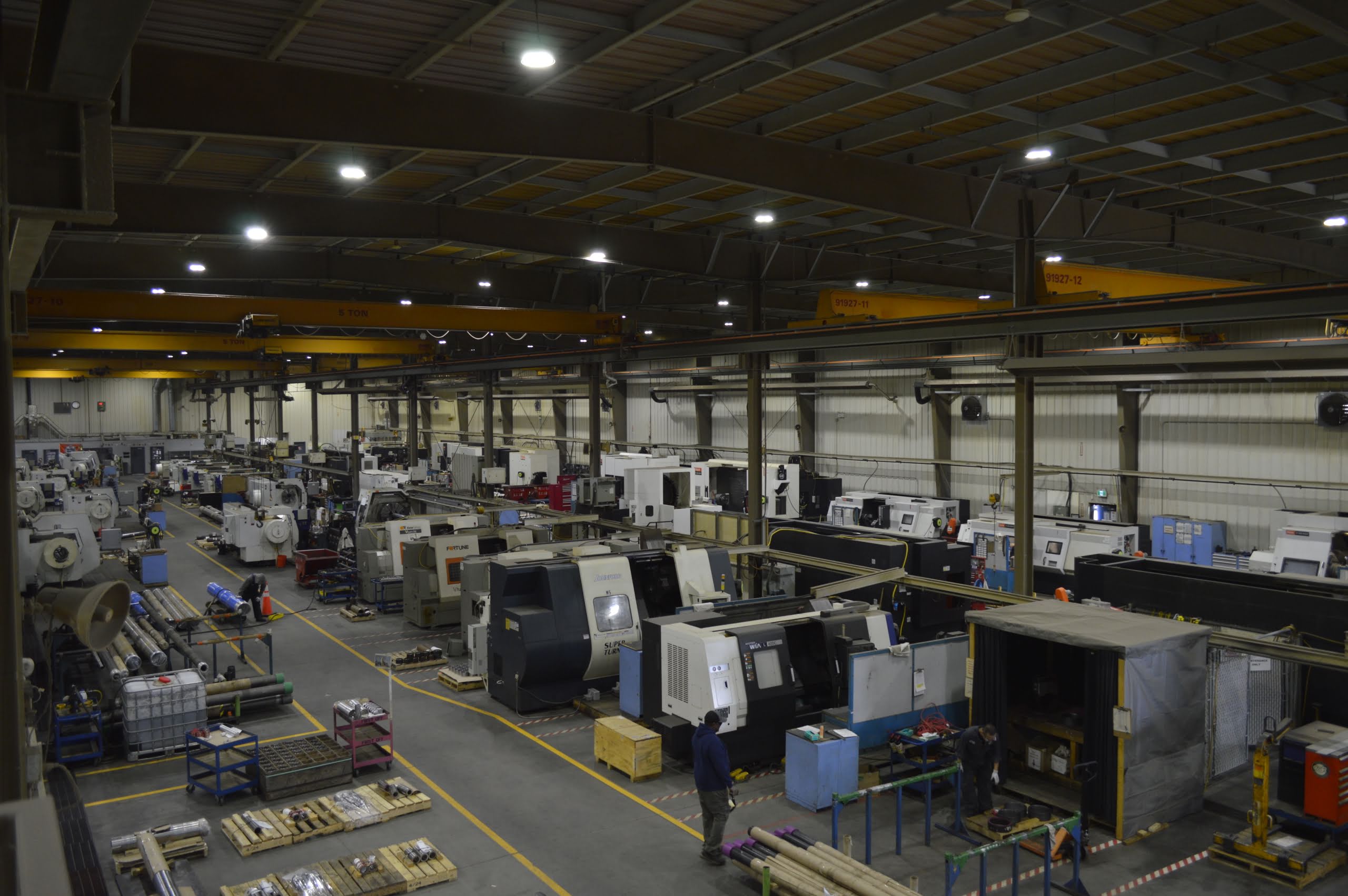
Norquest’s integrated turning and milling work cells can complete complex features with fewer handoffs for suitable components.
Design for Available Tools and Access
Internal corner radii, pocket depth, thread relief, bore length and feature accessibility affect tool selection and stability. Small radii may require fragile cutters, while long-reach tools can deflect or chatter.
Modest design adjustments can sometimes allow stiffer tools, standard inserts, better chip evacuation and more reliable measurement.
Material and Heat-Treatment Sequence
Material affects cutting forces, tool wear, distortion and surface finish. Heat treatment can change dimensions and residual stress. Process planning should consider whether machining occurs before, after or in stages around thermal processing.
Norquest’s engineering and standards team can collaborate on material selection and process sequencing within the defined scope.
Design for Inspection
A requirement is difficult to control if it cannot be measured reliably. Datum targets, access for probes, surface condition and feature geometry all influence inspection.
Manufacturing and quality specialists can identify whether CMM, portable coordinate measurement, gauges or functional testing will provide meaningful evidence.
Consolidate Components Carefully
Multi-axis machining and additive or near-net processes can sometimes combine several pieces into one component, reducing assembly interfaces. In other cases, dividing a complex part into serviceable modules can reduce material waste and repair cost.
The correct choice depends on load paths, sealing, maintenance, joining methods, inspection and lifecycle needs.
A Practical DFM Review Checklist
A cross-functional review should include design, manufacturing, quality, supply chain and service perspectives.
- Are tolerances tied to functional needs?
- Can datums be established and inspected consistently?
- Can features be reached with stable, standard tooling?
- Can setups or separate operations be reduced?
- Is the material available in an efficient stock form?
- How will heat treatment or coating affect dimensions?
- Are inspection and testing requirements practical?
- Can the design be serviced and reproduced over its lifecycle?
From Concept to Production
Norquest supports DFM through engineering and design, prototype development, precision machining, inspection and production planning. Functional prototypes and small pilot runs can reveal issues before full-scale production.
The resulting lessons can be incorporated through controlled revision and approval processes.
Frequently Asked Questions
Is DFM only about reducing cost?
No. It also aims to improve process stability, quality, delivery, inspectability, serviceability and supply-chain resilience.
Who approves a DFM change?
The design authority or authorized customer representative must approve changes according to the contract and configuration-control process.
When should a manufacturer be involved?
Ideally during concept and detailed design, but reviews can also improve future revisions of an existing product.
Bring Manufacturing Insight Into the Design Process
Norquest’s practical engineering team works alongside quoting, machining and quality to identify achievable cost and process improvements.
Use the contact page to discuss a DFM review, prototype or production transition.
about
avada factory
Sempery ultricies nibh at dolor cras urna eleifend nec. Atiam efficitur tempor.