Surface treatment changes or protects the outer layer of a component to improve performance, durability, cleanliness or appearance. For machined parts, the selected treatment must work with the base material, operating environment, dimensional tolerances and assembly requirements.
A coating cannot correct poor design or unsuitable material, and an improperly controlled treatment can create dimensional, adhesion or compatibility problems. The complete manufacturing plan should therefore address surface requirements before final machining is complete.
Why Machined Components Need Surface Treatment
Bare metal may corrode, gall, wear, retain contaminants or provide insufficient adhesion for the next process. Surface treatment can address one or several of these conditions when correctly specified.
- Improve atmospheric or chemical corrosion resistance
- Increase wear or abrasion resistance
- Reduce friction or galling
- Prepare a surface for coating or bonding
- Improve cleanliness and remove scale
- Provide colour, identification or appearance
- Protect parts during storage and transport
Surface Preparation
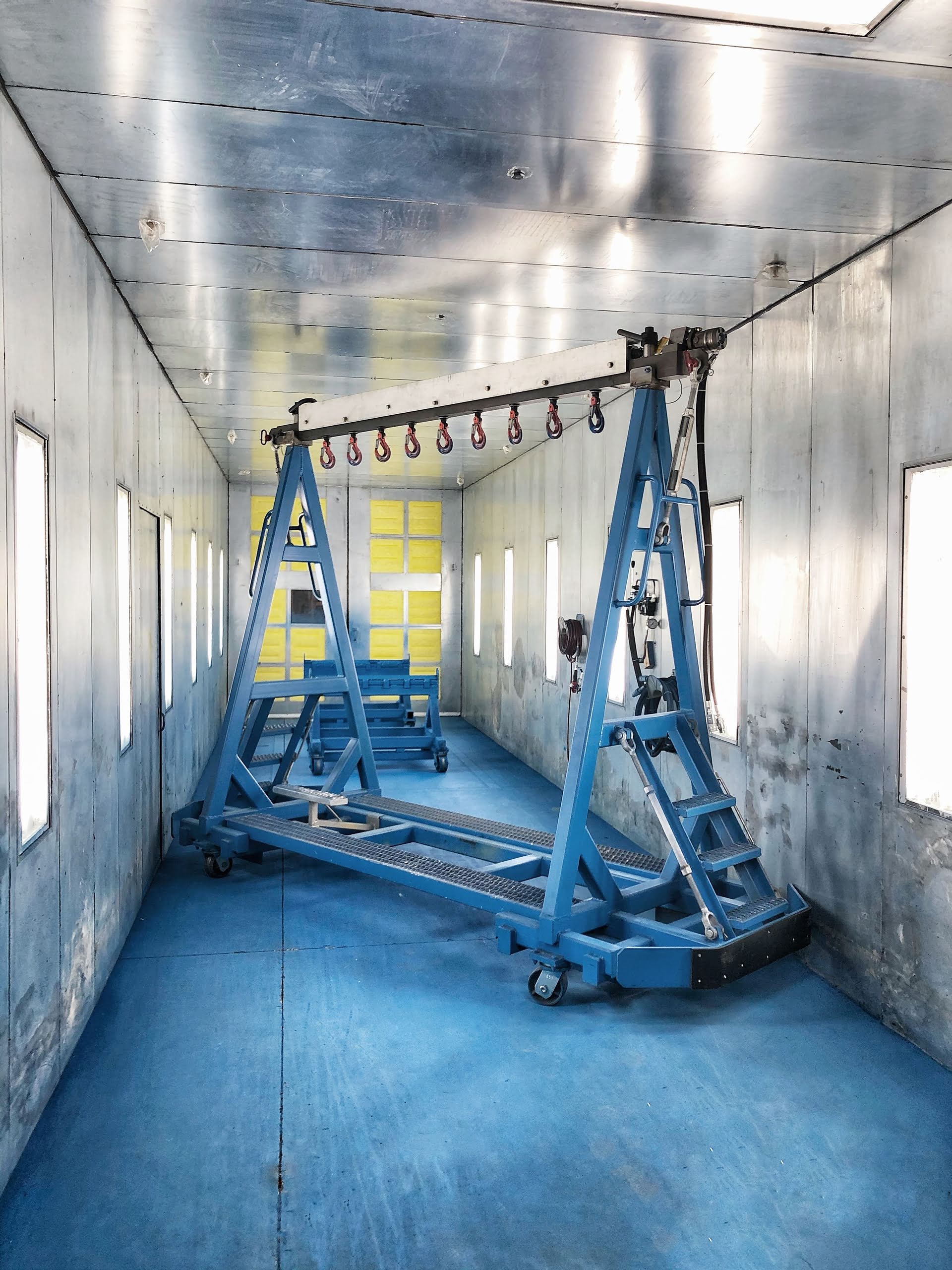
Preparation is often the foundation of coating performance. Oils, oxides, scale and previous finishes can prevent adhesion. Blasting, cleaning, polishing or chemical preparation may be required depending on the material and coating system.
Specifications should define cleanliness, surface profile and prohibited contaminants. Critical machined surfaces, threads, bores and sealing areas may need masking or protection.
Common Treatment Categories
Surface-treatment terminology covers many different processes. The design authority should select the treatment based on verified performance requirements and applicable standards.
Protective Coatings
Paint, powder coating and specialized industrial coating systems can create a barrier between the component and its environment. Performance depends on preparation, chemistry, thickness, cure and service conditions.
Conversion and Chemical Treatments
Processes such as phosphate or passivation modify the surface to improve corrosion behaviour, paint adhesion or cleanliness, depending on the alloy and specification.
Plating and Deposited Coatings
Metallic or engineered deposits can provide wear, corrosion, conductivity or dimensional-restoration properties. Thickness and post-treatment requirements must be considered in the machining allowance.
Mechanical Finishing
Blasting, polishing, grinding and related methods alter roughness, cleanliness or appearance. They can also influence fatigue and sealing performance, so the required finish should be defined.
Machining Allowance and Dimensional Change
Some treatments add thickness, remove material or change dimensions through heat and stress. Fits, threads, seal diameters and bearing seats may require pre-treatment allowance and post-treatment finishing.
The routing should define whether inspection occurs before treatment, after treatment or at both stages.
Corrosion Protection Is a System
Successful corrosion control considers material compatibility, crevices, drainage, galvanic couples, coating damage and maintenance. A high-performance coating can fail prematurely if water is trapped or dissimilar metals create galvanic action.
Design, treatment and operating environment should be considered together.
Wear Resistance and Surface Integrity
Wear can occur through abrasion, adhesion, erosion, fretting or fatigue. The selected treatment must address the actual mechanism. Excessively hard or brittle layers may not perform well under impact, while an unsuitable surface finish can damage seals or bearings.
Engineering review should consider hardness, thickness, adhesion, coefficient of friction, substrate support and repairability.
Inspection and Documentation
Treatment records may need to identify specification, batch, thickness, cure, testing and acceptance. Visual inspection, thickness measurement, adhesion testing, roughness measurement or other verification may apply.
Norquest coordinates surface work through its value-added services and can incorporate process certificates into project documentation.
Questions to Resolve Before Ordering
Complete specifications reduce the risk of incompatible or underdefined finishes.
- What environment and wear mechanism will the component face?
- Which treatment specification and revision apply?
- What surfaces require coating, masking or post-machining?
- What thickness and dimensional allowances are required?
- Are there material or process compatibility restrictions?
- What inspection and process certificates are required?
- How should the finished part be packaged and preserved?
Frequently Asked Questions
Can surface treatment change part dimensions?
Yes. Some processes add thickness, remove material or cause thermal dimensional change. Machining allowances and inspection stages must account for this.
Is blasting itself a corrosion-protection coating?
No. Blasting is commonly a preparation or cleaning process. The part may need a subsequent protective treatment.
Who should choose the coating specification?
The design authority or qualified engineering team should select it based on material, environment, function and applicable standards.
Integrate Surface Treatment With Machining and Inspection
Norquest coordinates machining, welding, surface preparation, coating, inspection, assembly and logistics through its value-added and turnkey services.
Send the drawing and coating specification through the contact page for process review.
about
avada factory
Sempery ultricies nibh at dolor cras urna eleifend nec. Atiam efficitur tempor.