Aerospace machining combines demanding geometry and materials with strict requirements for quality, traceability and change control. Components may need to perform under fatigue, vibration, temperature extremes and tightly controlled weight or envelope limitations.
There is no single standard that governs every aerospace part. The applicable requirements come from the customer, drawing, material specification, design authority, regulatory environment and supply-chain quality clauses. Buyers and manufacturers must confirm those requirements project by project.
The Role of ISO 9001 and AS9100
ISO 9001:2015 provides a general quality-management framework. The 9100-series aerospace quality standard builds on ISO 9001 with additional requirements developed for aviation, space and defence organizations.
A supplier should never imply AS9100 certification unless it holds a valid certificate within the relevant scope. Norquest is registered to ISO 9001:2015 and serves aerospace customers, but project qualification and any aerospace-specific approvals must be confirmed for the intended work.
Customer and Drawing Requirements Control the Part
A quality-system certificate does not replace the technical package. The controlled drawing, CAD model, material specification, process specifications and purchase-order clauses establish what must be produced and documented.
Manufacturers should clarify conflicts, identify key characteristics and confirm revision status before machining. Unauthorized changes to material, process, tooling method or outside suppliers may be prohibited.
Material and Lot Traceability
Aerospace programs may require traceability from finished part to material heat or lot, source records and special processes. Material identity must remain controlled as stock is cut and routed through production.
Norquest’s inspection and traceability system can document material heat numbers, certifications, inspection records and process history when required by the project.
Special Processes and Approved Sources
Heat treatment, plating, coating, welding, NDE and chemical processing may be classified as special processes. Customers often specify approved suppliers, procedures, personnel qualifications and record formats.
The prime manufacturer must identify these requirements before quoting and ensure that external providers receive the correct technical and quality information.
Precision Machining and Process Stability
Aerospace components frequently contain thin walls, complex contours, tight positional tolerances and materials that can distort as residual stress is released. Process planning may involve staged roughing, stabilization, semi-finishing and final machining.
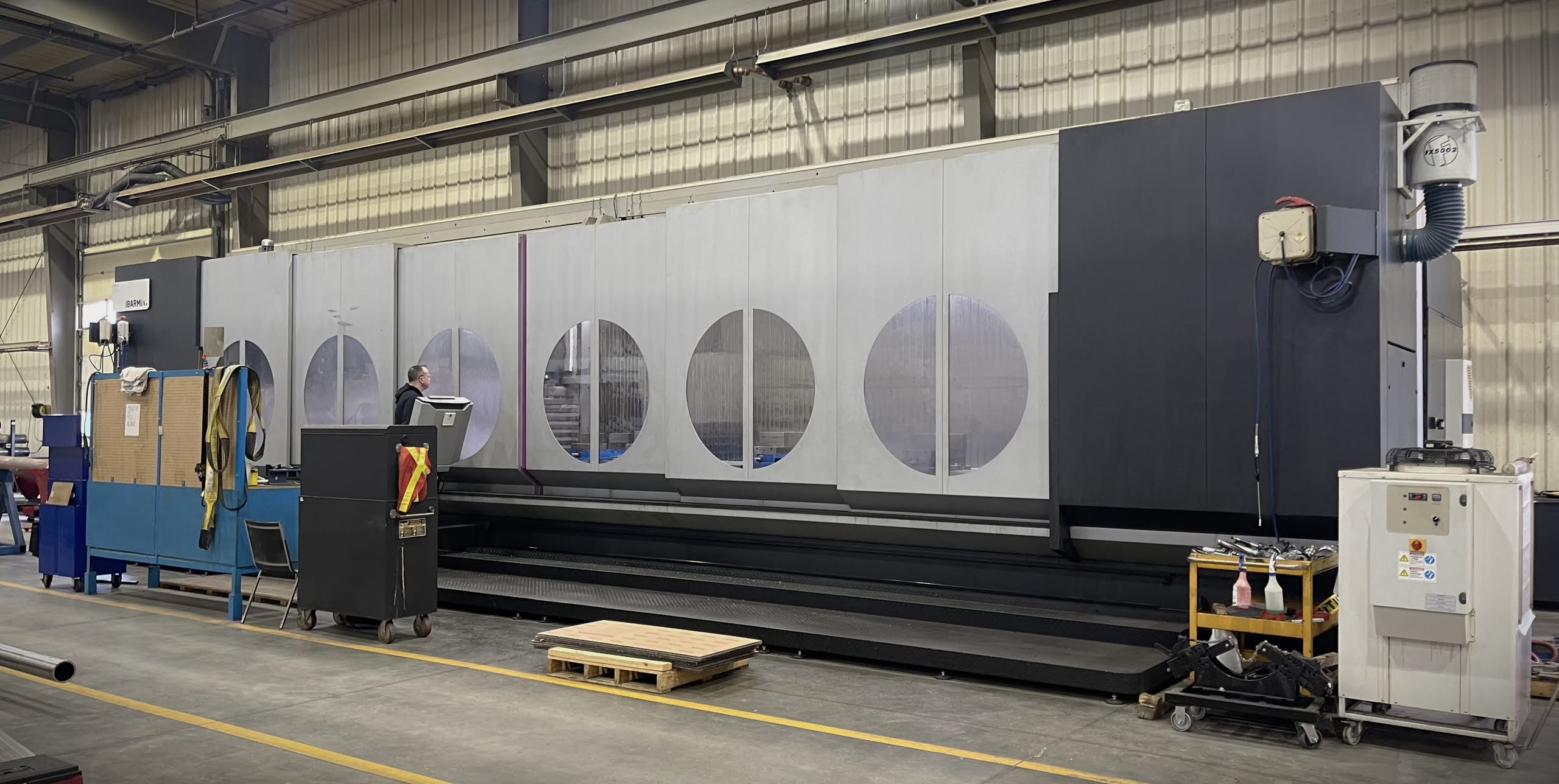
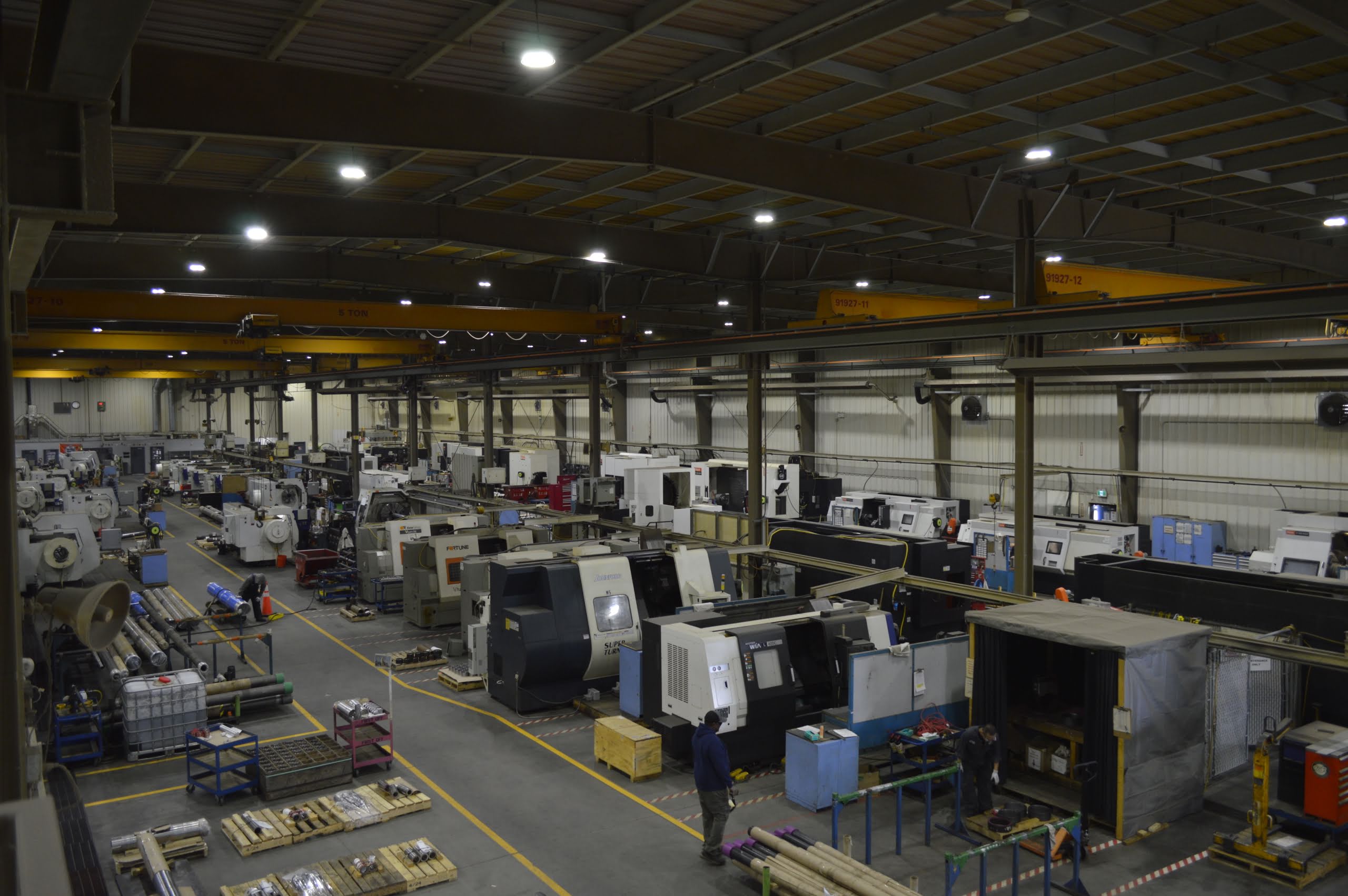
Integrated multi-axis equipment can reduce setups and preserve feature relationships. Norquest’s precision machining capabilities include combined turning and milling work cells for complex components.
Inspection and First-Article Requirements
First-article inspection may be required to demonstrate that the production process can meet the complete design definition. The format and acceptance process must follow the customer contract and applicable standard.
CMM inspection, portable coordinate measurement, profilometry, hardness testing, NDE and conventional gauging may all contribute to verification. The inspection method should be matched to the feature and tolerance.
Configuration and Change Control
Aerospace supply chains place strong emphasis on configuration. Manufacturers need to control drawing, model, specification and software revisions and prevent obsolete information from reaching production.
Changes should be reviewed for their effect on work in process, completed inventory, tooling, inspection programs and outside processes. Customer approval may be required before implementation.
Questions for an Aerospace Machining Supplier
Supplier qualification should be based on the exact program rather than a general industry claim.
- Which quality certifications and customer approvals are current?
- Has the supplier worked with the specified material and geometry?
- How are key characteristics and configuration controlled?
- Which special processes require approved sources?
- Can the supplier meet first-article and final-data requirements?
- What are the controls for counterfeit prevention and material authenticity?
- How are nonconformities and customer approvals managed?
Where Norquest Can Fit
Norquest supports aerospace and other high-reliability sectors with engineering support, multi-axis machining, advanced inspection, traceability and turnkey coordination.
Because aerospace requirements vary widely, Norquest should be qualified against the specific drawing, customer approval list and quality clauses before work is awarded.
Frequently Asked Questions
Is ISO 9001 the same as AS9100?
No. AS9100 builds on ISO 9001 with additional aviation, space and defence requirements.
Does serving aerospace mean a company is AS9100 certified?
No. Certification must be verified through a valid certificate and applicable scope.
Why is first-article inspection important?
It provides structured evidence that the planned production process can produce a part conforming to the design definition, when required by contract.
Discuss a High-Reliability Machining Requirement
Review Norquest’s machining, quality assurance, engineering and inspection capabilities for your specific aerospace supply-chain requirement.
Submit controlled drawings and applicable quality clauses through the contact page for evaluation.
about
avada factory
Sempery ultricies nibh at dolor cras urna eleifend nec. Atiam efficitur tempor.