Mining equipment operates under abrasive, high-load and often remote conditions. Components may be exposed to impact, contamination, vibration, temperature swings and continuous duty. Precision machining helps ensure that replacement and production parts fit correctly, carry loads as intended and support reliable equipment operation.
A mining equipment machining partner must be able to work across a wide range of component sizes and materials while maintaining control over critical fits, bores, sealing surfaces, threads and documentation.
Common Machined Components in Mining
Machining requirements vary across extraction, crushing, conveying, material handling and mobile equipment. Both production and maintenance programs may involve complex one-off parts, repeat spares or complete assemblies.
- Shafts, pins, bushings and sleeves
- Bearing and seal housings
- Hydraulic-cylinder and actuator components
- Gearbox and drive components
- Wear plates and replaceable wear parts
- Flanges, adapters and manifolds
- Custom repair and obsolete-equipment components
Material Selection and Wear
Material choice depends on load, wear mechanism, environment, weldability and maintenance strategy. Harder is not always better; excessive hardness can reduce toughness or make repair difficult. The complete design must balance strength, impact resistance, abrasion resistance and manufacturability.
Norquest’s engineering and design team can support material and process discussions while respecting the customer’s design authority and applicable specifications.
Large and Complex Machining
Mining components can be large, long or heavy, with features distributed across multiple orientations. Multi-axis machining and careful datum planning can reduce setup error. Long internal features may require dedicated boring or honing equipment.
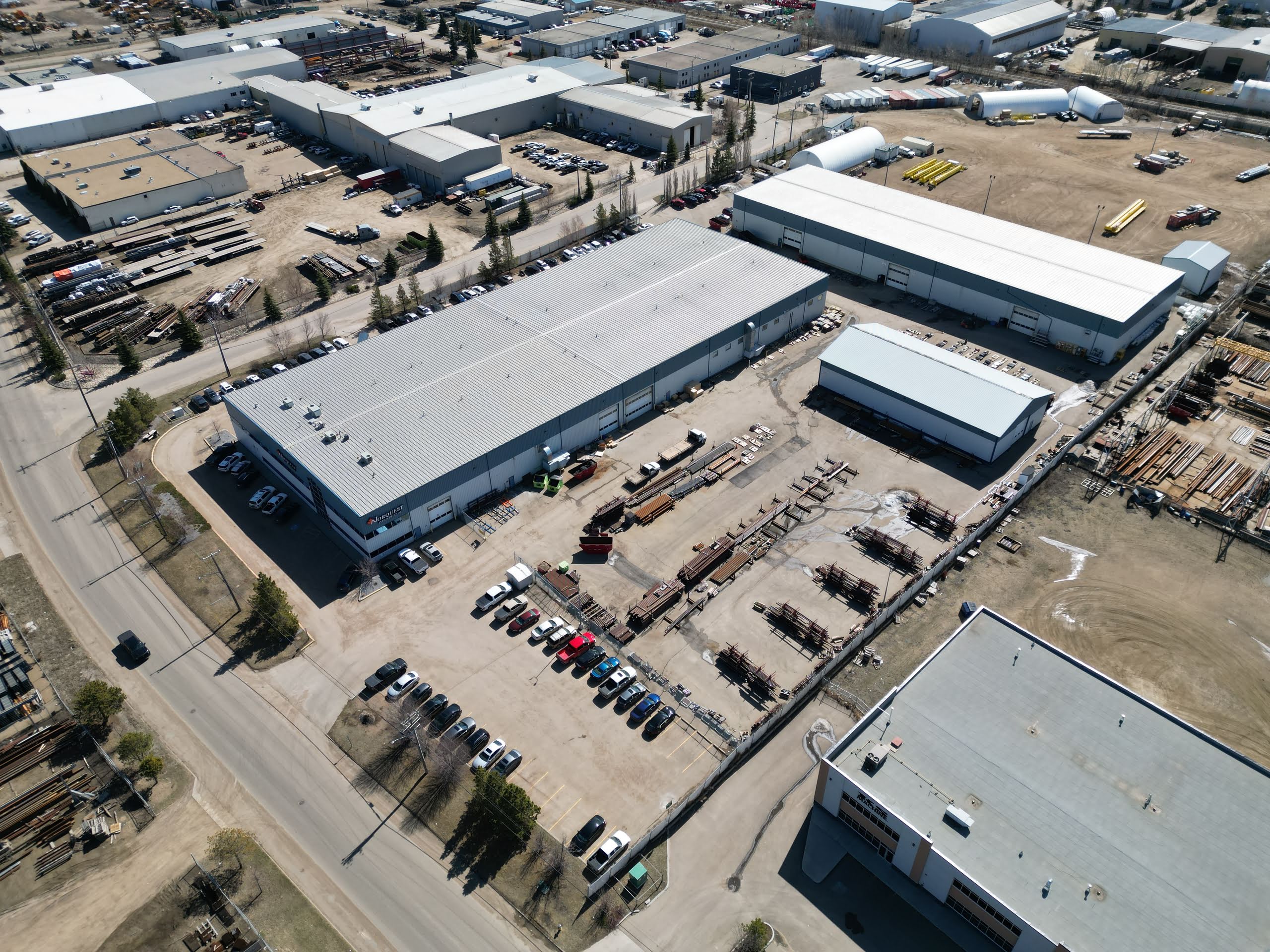
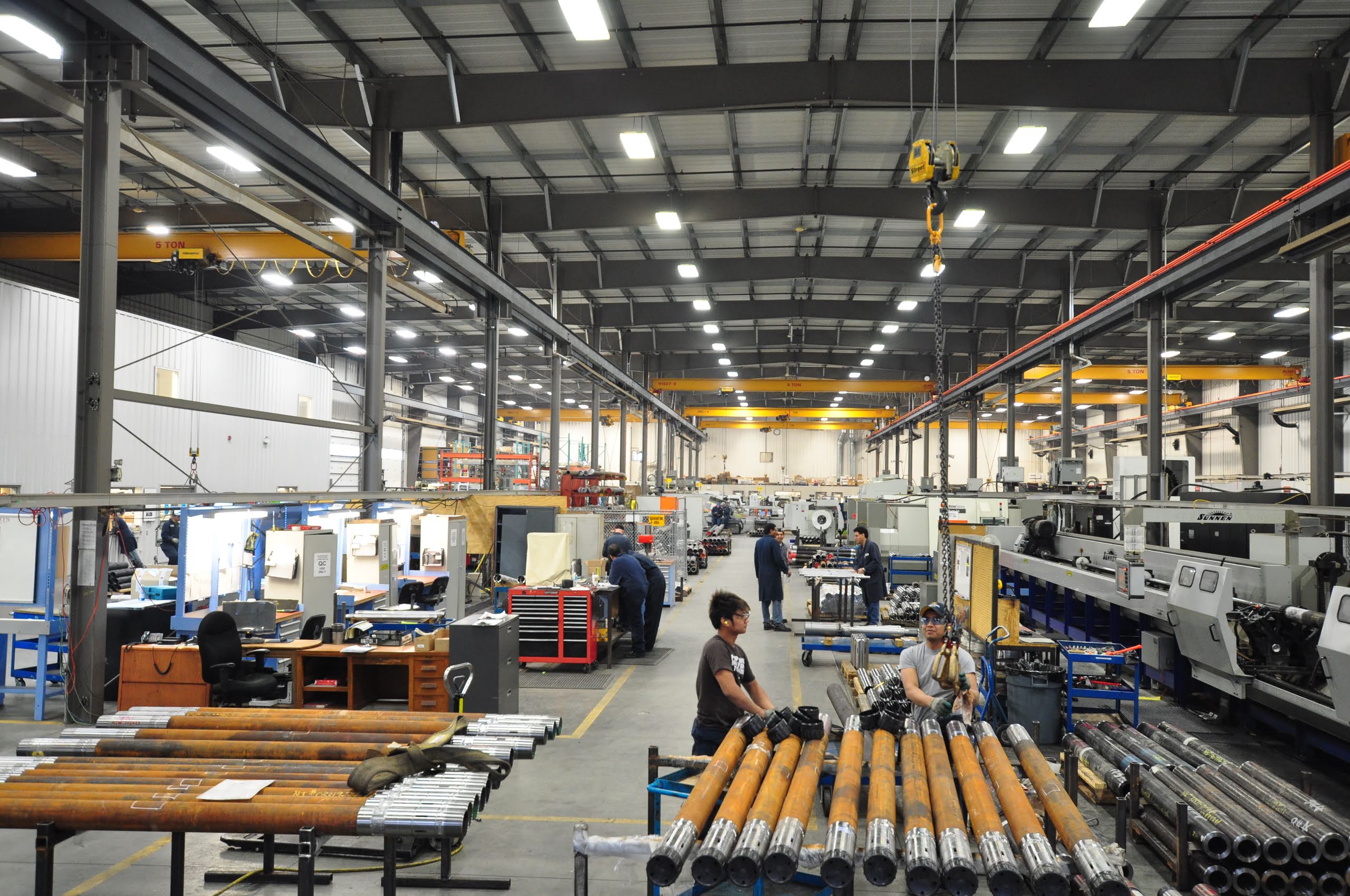
Norquest’s machining work cells and deep-hole ID processing support a broad range of geometry, from smaller precision parts to large industrial components.
Repair, Reverse Engineering and Obsolescence
Older mining systems may remain productive long after original parts become difficult to source. A manufacturing partner may be able to reproduce a component from drawings, models or approved dimensional information.
Any reverse-engineering effort should account for wear on the sample part, mating features, material, heat treatment, surface finish and functional clearances. Design responsibility and approval must be clearly assigned.
Surface Treatment and Component Life
Coatings and surface treatments can improve corrosion resistance, wear behaviour, cleanliness or adhesion. Preparation is critical: contamination, roughness and masking can influence final performance.
Norquest’s value-added services include surface preparation, coating coordination, welding, NDE and related finishing support.
Inspection for Mining Components
Critical fits, alignment and geometry may be verified with CMM or portable coordinate measurement, while bores, threads, hardness and surface finish require complementary tools. Large assemblies may benefit from portable measurement at the machine or assembly station.
The inspection plan should prioritize features that affect bearing life, sealing, motion, alignment and interchangeability.
Inventory and Downtime Reduction
A failed component at a remote site can stop production. Strategic spares and predictable replenishment help reduce downtime risk, but excess inventory ties up capital.
Norquest offers quick-turn manufacturing for urgent work and inventory consignment programs for recurring critical components.
Selecting a Mining Machining Partner
Look for evidence that the supplier can handle the component’s size, material, tolerance and documentation while communicating realistic lead times.
- Relevant machine envelope and lifting capacity
- Experience with abrasion-resistant and high-strength materials
- Boring, honing and multi-axis capability
- CMM, portable measurement and NDE resources
- Repair, prototype and repeat-production flexibility
- Welding, coating, assembly and logistics support
- Documented quality and traceability processes
Frequently Asked Questions
Can worn mining parts be copied?
Potentially, but the worn sample may not represent original dimensions. Engineering review, mating-part data and customer approval are important.
Why is portable measurement useful for mining equipment?
Large parts and assemblies may be difficult to move to a fixed inspection machine. Portable coordinate measurement can verify geometry at the workpiece.
Can a machine shop stock recurring spares?
Yes. Inventory or consignment programs can be developed around forecast demand, lead time and traceability requirements.
Keep Mining Equipment Moving With a Reliable Manufacturing Partner
Norquest supports mining customers with precision machining, engineering, ID processing, welding, coatings, inspection, assembly and inventory programs.
Share a drawing, worn-part challenge or recurring-spares requirement through the contact page.
about
avada factory
Sempery ultricies nibh at dolor cras urna eleifend nec. Atiam efficitur tempor.