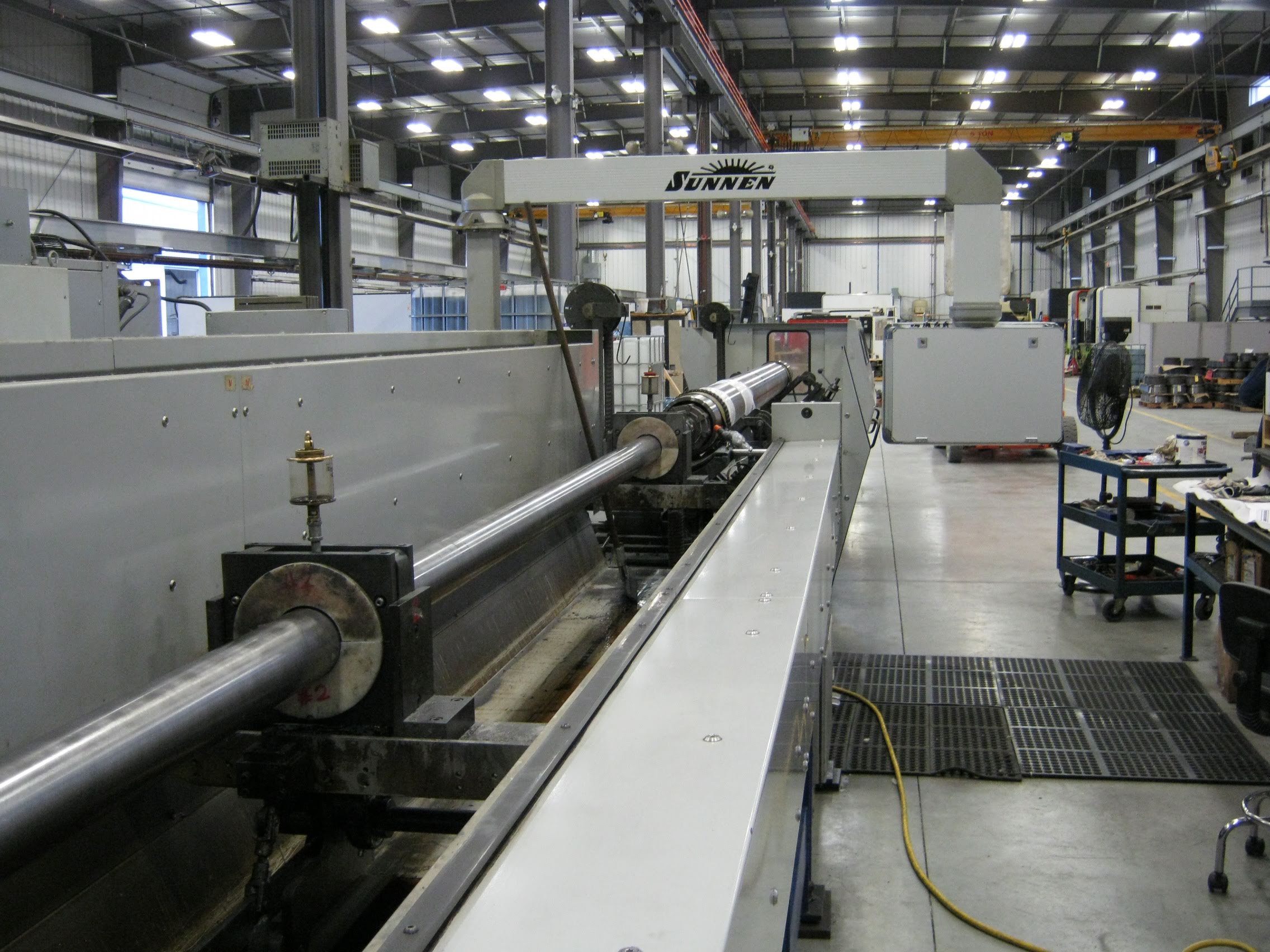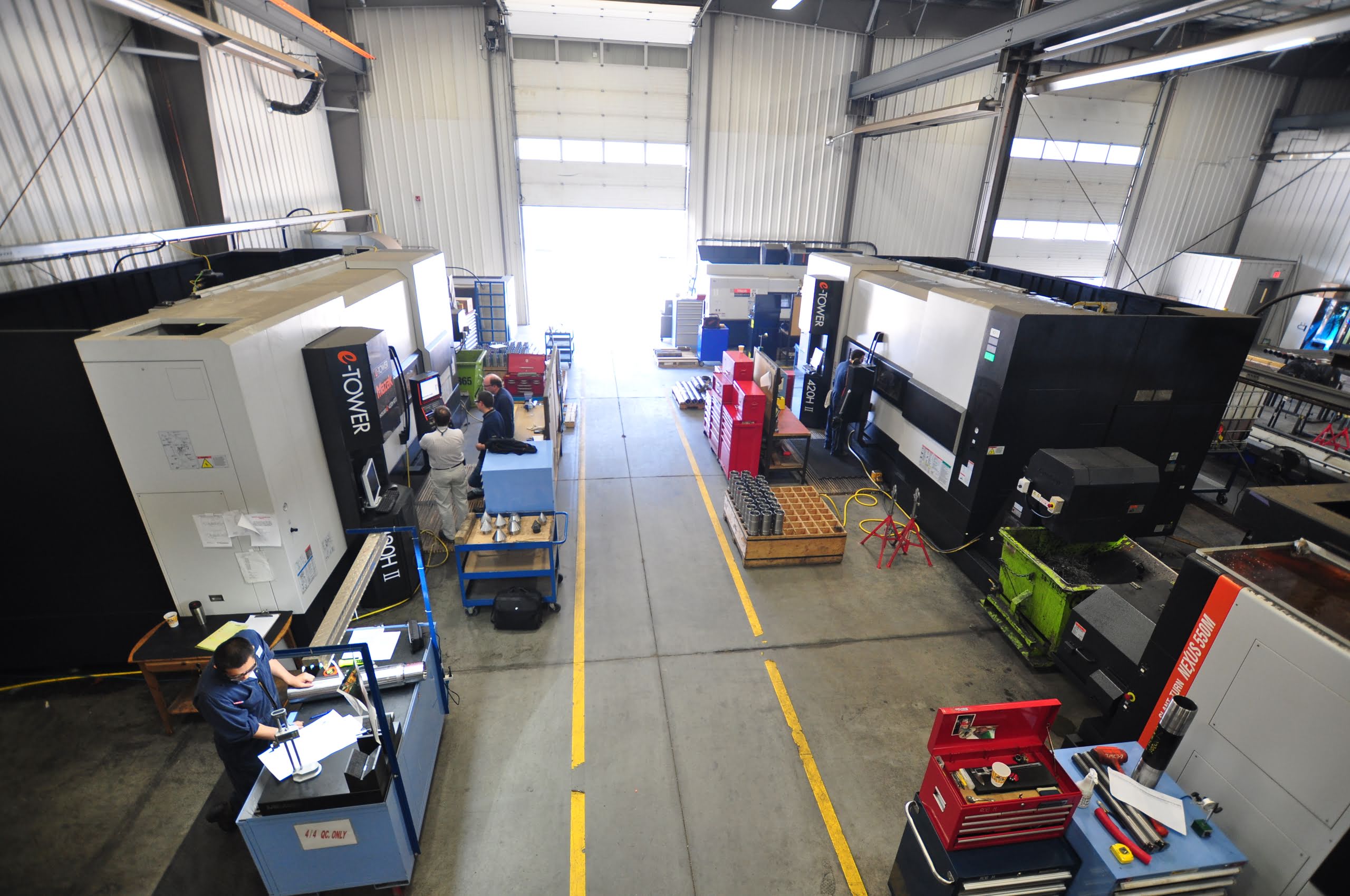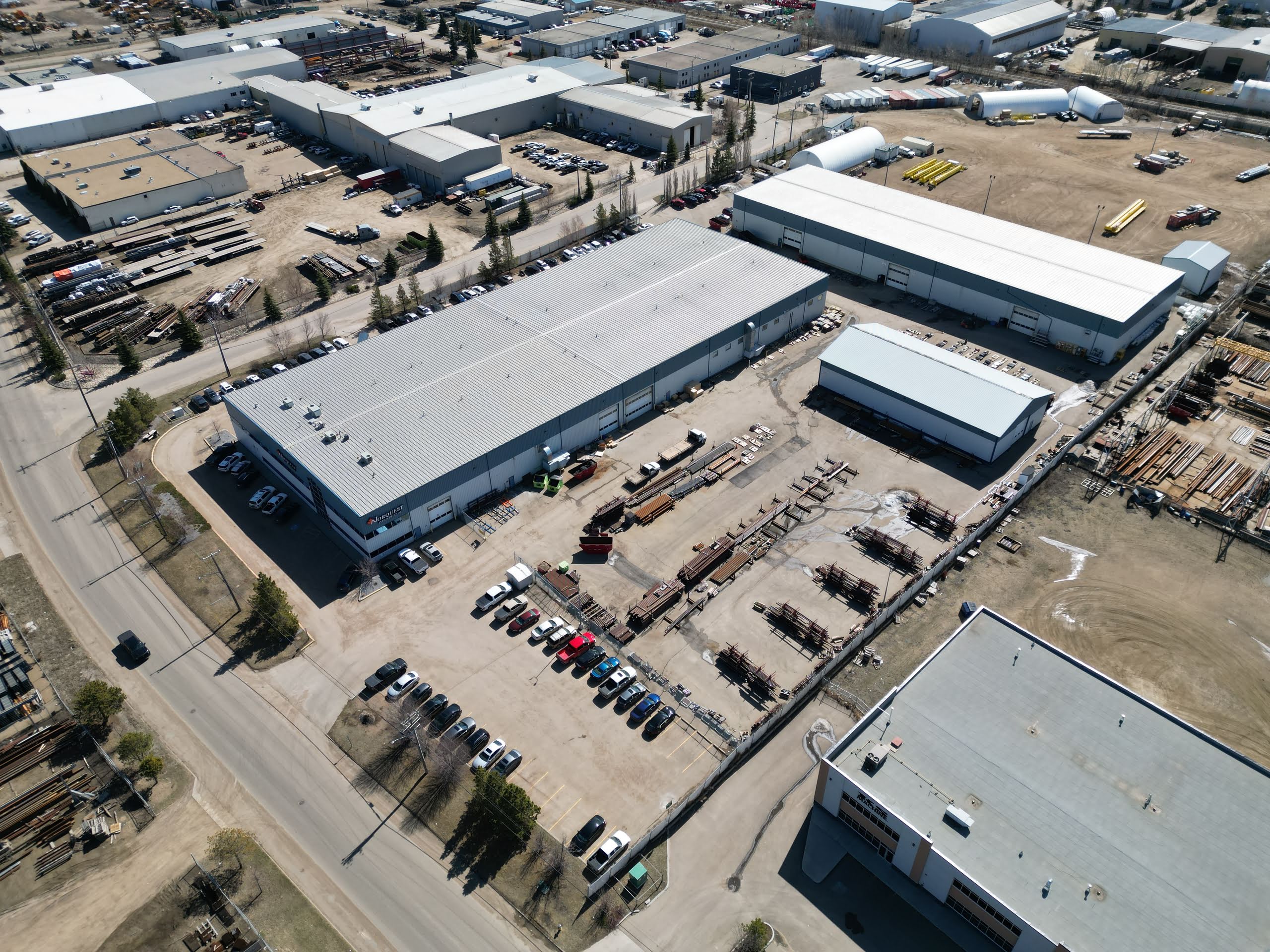
Canada’s defence industry relies on a broad domestic supply chain that includes original equipment manufacturers, systems integrators and specialized manufacturers. Precision machine shops contribute by producing mechanical components, tooling, replacement parts, prototypes and assemblies for land, marine, aerospace and support systems.
Defence work can involve demanding technical, quality, security, export-control and documentation requirements. A supplier must be evaluated for the specific program and should never imply approvals or registrations that have not been verified.
The Role of Precision Manufacturing
Defence platforms depend on components that fit, move, seal, carry load and remain serviceable over long operational lives. Precision machining can support new production, modernization, maintenance and obsolescence management.
- Shafts, pins, bushings and structural interfaces
- Hydraulic and pneumatic components
- Housings, covers, brackets and manifolds
- Marine and vehicle mechanical components
- Ground-support equipment and test fixtures
- Prototype and low-volume development parts
- Replacement components for legacy systems
Domestic Capacity and Supply-Chain Resilience
Domestic manufacturing capacity can reduce exposure to long international lead times, transportation disruption and limited access to technical support. It can also make collaboration, site visits and urgent replacement work more practical.
Supplier location is only one factor. Capacity, quality, security, cost, materials and program approvals still need to be evaluated.
Quality and Configuration Control
Defence programs may require strict drawing revision, serial or lot traceability, first-article inspection, approved suppliers and customer authorization for changes. The manufacturer’s QMS should support these controls.
ISO 9001 provides a general quality-management foundation. Aerospace and defence contracts may impose additional standards, including 9100-series requirements or customer-specific clauses. These must be verified for each opportunity.
Inspection, NDE and Documentation
Objective evidence may include material records, dimensional reports, process certificates, NDE results, test reports and certificates of compliance. The manufacturer should be able to connect records to the delivered component or lot.
Norquest’s quality assurance and traceability resources include CMM, portable FARO arm measurement, precision gauging, surface-finish inspection, MPI and LPI where applicable.
Security and Controlled Information
Some defence opportunities involve controlled goods, export controls, security clearances, cybersecurity or restricted technical data. These obligations are separate from general manufacturing certification.
Before sharing controlled information, the buyer and supplier should confirm all required registrations, agreements, access controls and approved communication methods. This article does not represent that Norquest holds any unlisted security or controlled-goods status.
Engineering, Prototypes and Obsolescence
Defence systems often remain in service for decades. When original sources disappear, approved engineering and manufacturing teams may need to address obsolete parts, repair strategies or redesigned components.
Norquest offers engineering support and prototype development from concepts, models or controlled dimensional information. Design authority and approval remain essential.
Turnkey Manufacturing for Complex Programs
Programs may require machining, welding, NDE, coating, assembly, testing, preservation and documentation. Managing these steps through one accountable partner can reduce interfaces and improve schedule visibility.
Norquest’s turnkey manufacturing services integrate internal capability with a controlled external supply chain.
How to Qualify a Defence Manufacturing Supplier
Use a program-specific qualification rather than relying on a general defence-industry statement.
- Confirm required security, controlled-goods and export-control status
- Verify QMS certifications and customer approvals
- Review relevant machine and inspection capability
- Define configuration, traceability and record-retention controls
- Identify approved materials and special-process sources
- Establish nonconformance and change-approval authority
- Assess capacity, continuity and domestic supply-chain resilience
Frequently Asked Questions
Does ISO 9001 qualify a supplier for every defence contract?
No. Individual programs may require additional certifications, approvals, security controls and customer qualification.
Why is configuration control important in defence manufacturing?
It helps ensure that the correct approved design, specification and change status are used throughout production and support.
Can precision shops support legacy equipment?
Yes, where technical data, design authority, material requirements and approvals are available to reproduce or redesign the component lawfully and safely.
Evaluate Norquest for a Canadian Defence Supply-Chain Requirement
Norquest serves high-reliability industries with precision machining, engineering, inspection, traceability, assembly and turnkey manufacturing.
Contact the team through the secure project inquiry starting point to discuss non-controlled capability information and the qualification steps required before technical data is exchanged.
about
avada factory
Sempery ultricies nibh at dolor cras urna eleifend nec. Atiam efficitur tempor.