API Spec Q1 establishes quality-management-system requirements for organizations that manufacture products or provide manufacturing-related processes for the petroleum and natural gas industry. The standard is detailed because oilfield supply chains need disciplined control over technical requirements, risk, materials, production, inspection and documentation.
This article provides a practical overview for buyers and manufacturing teams. It is not a substitute for the official API standard, contractual requirements or professional audit guidance.
Quality Management System and Leadership
The organization must establish, implement, maintain and improve a QMS within a defined scope. Leadership is responsible for ensuring that responsibilities are assigned, resources are available and the system supports customer and product requirements.
In practice, quality cannot belong only to an inspector. Estimating, engineering, purchasing, machining, assembly and management all influence conformity.
Contract Review and Product Realization Planning
Before accepting an order, the manufacturer needs to determine whether requirements are defined and can be met. This includes drawings, specifications, quantities, delivery, inspection, testing, traceability and records.
Product-realization planning converts those requirements into manufacturing operations, quality checks, resources and acceptance criteria. Complex or critical work may require a formal product quality plan with defined hold or witness points.
Risk Assessment and Contingency Planning
API Spec Q1 places significant attention on risk. Manufacturers must evaluate risks associated with product quality and delivery and determine appropriate controls. Contingency planning addresses disruptions that could affect the ability to provide conforming product.
Examples may include material shortages, machine failure, unavailable special processes, loss of inspection capability or interruption at a key supplier. The appropriate response depends on probability, severity and project needs.
Design and Development Controls
When design is within the organization’s scope, the process must address inputs, outputs, review, verification, validation and controlled changes. When the manufacturer is build-to-print, it still needs to review the customer’s design information and communicate ambiguities.
Norquest provides engineering and design support alongside manufacturing, including design refinement, material selection, process planning and finite-element analysis when applicable to the engagement.
Purchasing and Supplier Control
Externally provided materials and processes can affect the finished product as much as in-house operations. The QMS must define how suppliers are evaluated, selected, monitored and re-evaluated based on the criticality and performance of what they provide.
Purchase documents should communicate the applicable technical and quality requirements. Received material and process records must be verified in accordance with the quality plan.
Production, Servicing and Special Processes
Production must occur under controlled conditions using suitable equipment, instructions, competent personnel and defined acceptance criteria. Processes whose output cannot be fully verified by later inspection require appropriate validation and control.
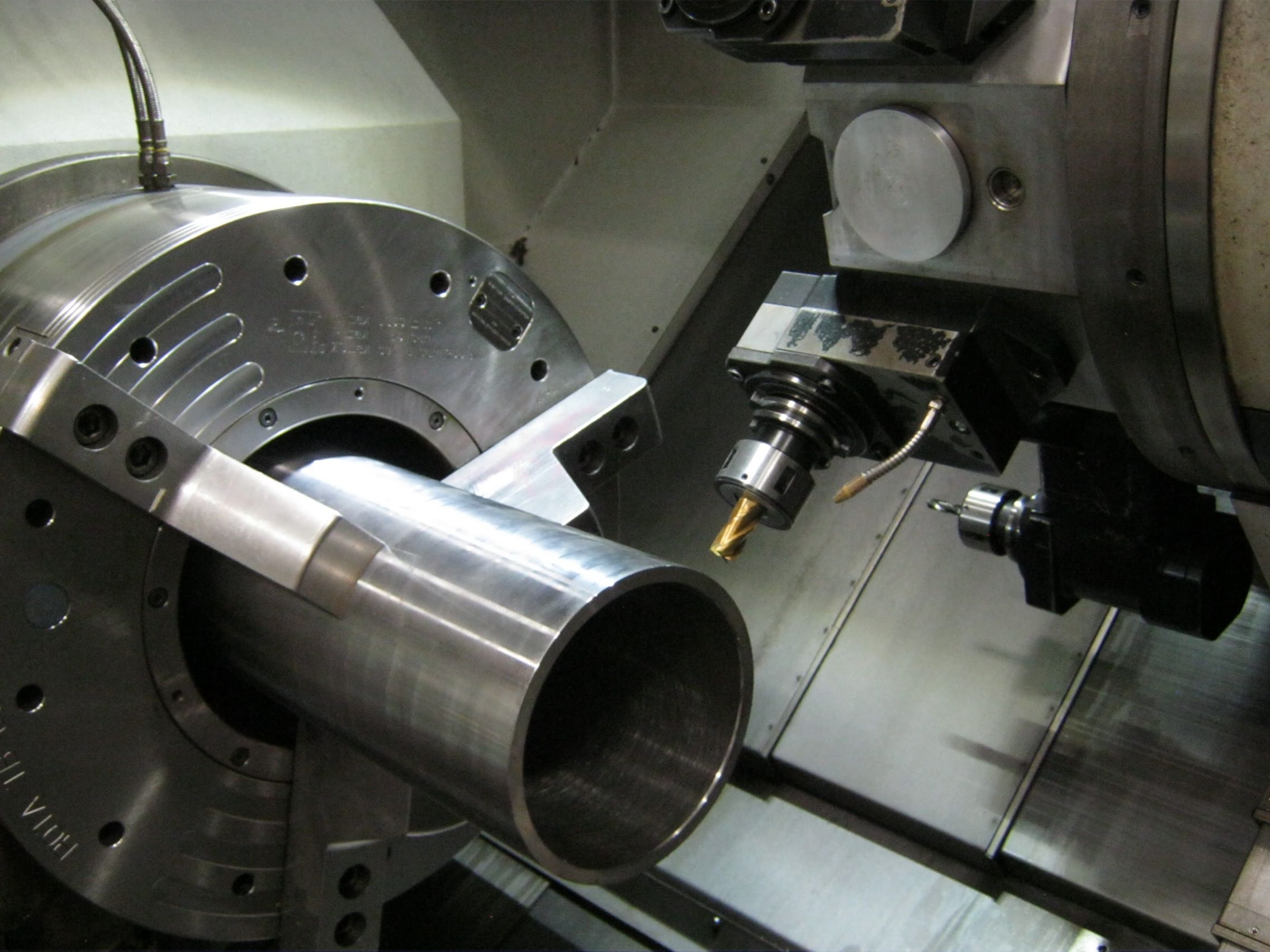
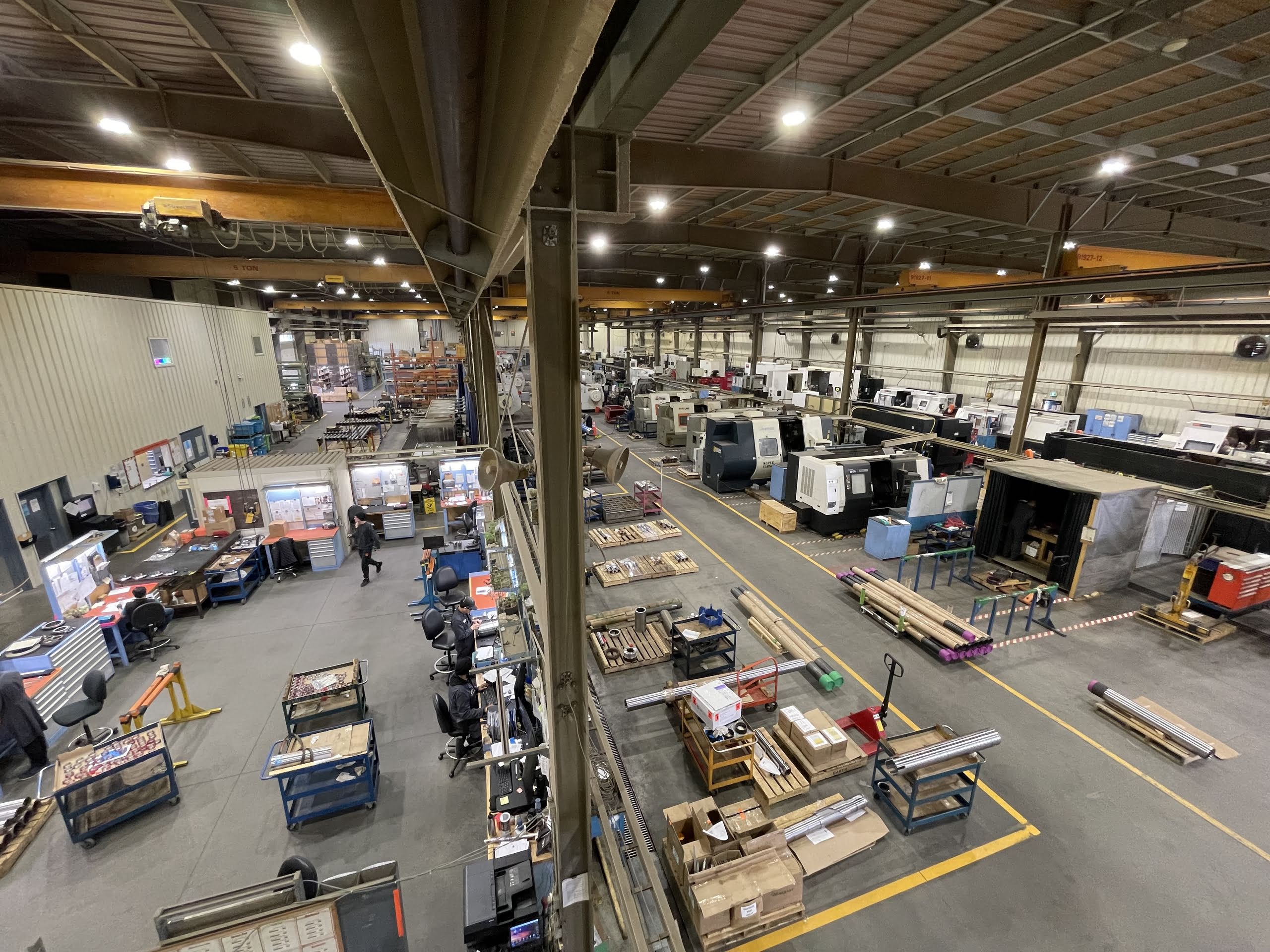
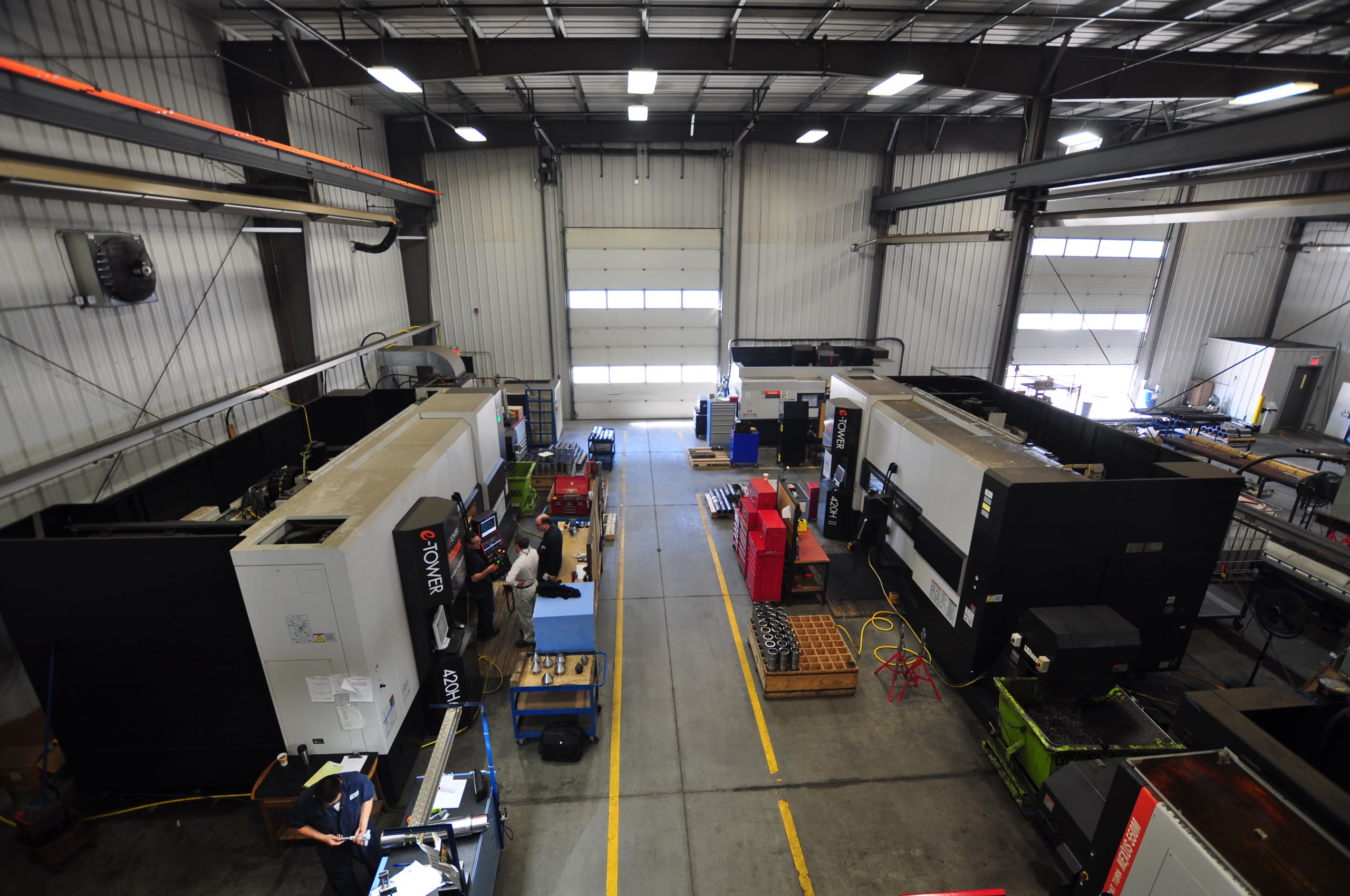
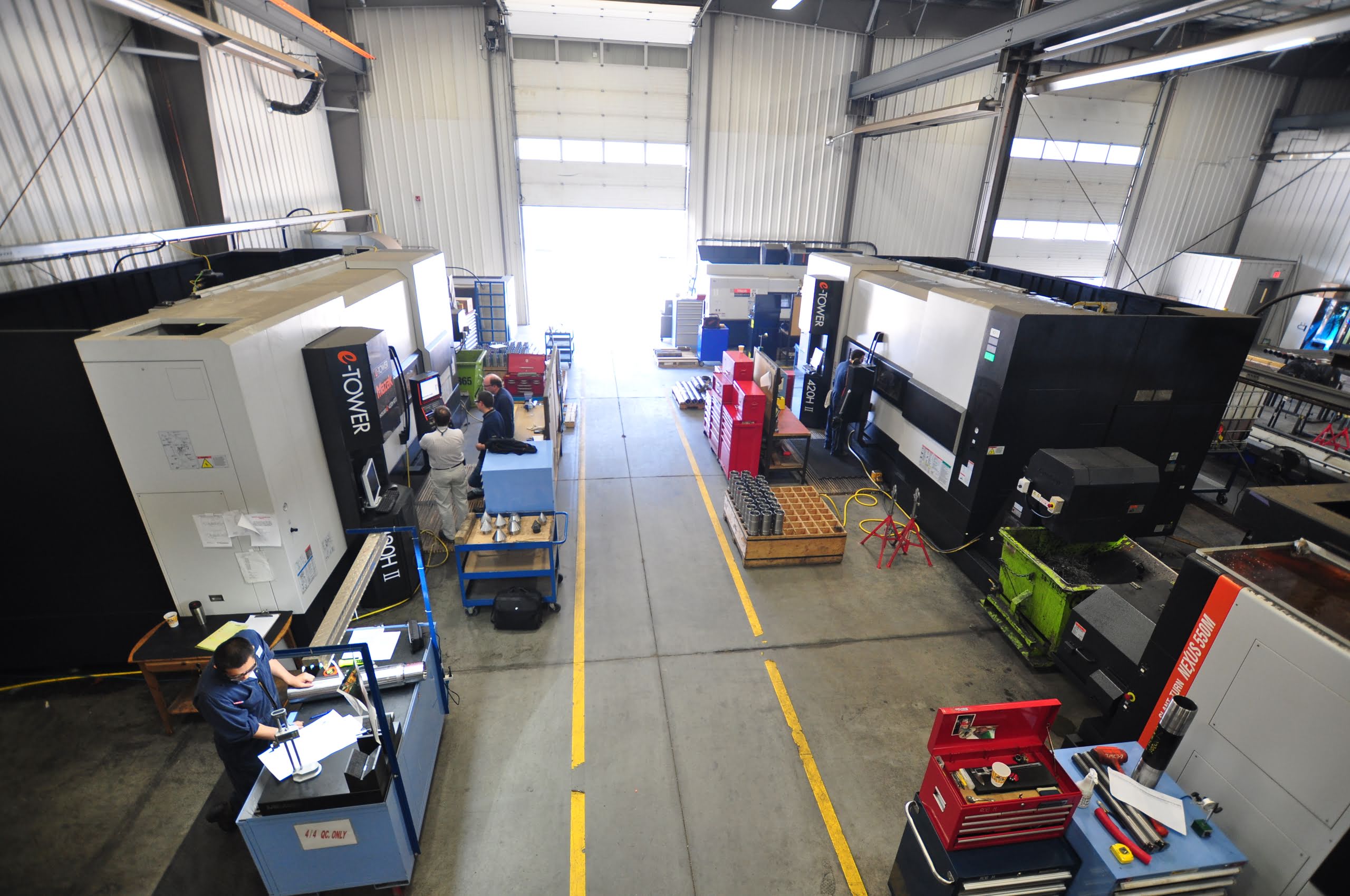
Norquest’s integrated offering includes CNC machining, deep-hole processing, welding, surface treatment coordination, assembly and testing and logistics. Each project should specify the governing procedures and customer approvals.
Inspection, Testing and Product Release
The manufacturer must verify that product requirements have been met before release. Inspection and testing should be completed at planned stages, using suitable and controlled equipment. Records should identify the result and the authority responsible for release.
Norquest’s quality assurance resources include CMM and FARO arm measurement, precision gauging, surface-finish testing and NDE options.
Identification, Traceability and Documentation
Identification preserves product status through production. Traceability connects material, processing and inspection information to the delivered item when required. Document controls ensure people use current information, while record controls preserve evidence of conformity.
The Norquest documentation page describes packages that may include MTRs, certificates of compliance, dimensional results, process validations and traceability logs.
Nonconformance, Corrective Action and Improvement
Nonconforming product must be identified and controlled to prevent unintended use or delivery. Disposition must be authorized, and concessions require appropriate approval. Corrective action is used to determine and eliminate causes when needed.
Internal audits, management review, customer feedback, data analysis and corrective action contribute to continual improvement of the QMS.
Frequently Asked Questions
Where can I get the official API Spec Q1 requirements?
The official specification is available from the American Petroleum Institute. Summaries should not be used as a replacement for the controlled standard.
Does API Spec Q1 require a quality plan for every order?
Planning is required, while the form and level of a product quality plan depend on applicable requirements and the organization’s system.
What is the buyer’s role?
The buyer should clearly communicate drawings, specifications, quality clauses, documentation, approvals and acceptance criteria.
Apply API Q1 Controls to Complex Oilfield Components
Norquest is registered to API Spec Q1, 10th Edition and supports projects from engineering through machining, inspection, assembly, testing and documentation.
Start a requirements review through the contact page.
about
avada factory
Sempery ultricies nibh at dolor cras urna eleifend nec. Atiam efficitur tempor.