Choosing a CNC machine shop is a supply-chain decision, not simply a search for available spindle time. The selected supplier will interpret drawings, source materials, create programs and tooling, control outside processes, inspect features and produce records that may need to support audits or field service years later.
ISO 9001:2015 certification can help buyers identify shops that operate within a formal quality-management system. It does not guarantee that a supplier has the correct machine, experience or capacity for a particular job, but it provides a valuable foundation for consistent process control and continual improvement.
A Certificate Signals a Managed System
In an ISO 9001 machine shop, quality responsibilities should extend across the organization. Sales and estimating must review customer requirements. Purchasing must control suppliers. Production must work from current information. Inspection equipment must be suitable and maintained. Management must evaluate performance and drive improvement.
This system-level approach matters because even an exceptionally skilled machinist can be undermined by an incorrect revision, unverified material or poorly controlled outside process.
How ISO 9001 Affects Your Order
The QMS should influence the order from quote to shipment. A capable shop will identify special tolerances, materials, finishes, testing, traceability and documentation requirements during contract review and carry them into the production plan.
- Controlled drawings, models and specifications
- Defined responsibilities and production instructions
- Approved purchasing and supplier controls
- Calibrated measurement and inspection resources
- Documented nonconformance and corrective-action processes
- Retention of records appropriate to customer requirements
Why Final Inspection Is Not Enough
Quality cannot be inspected into a component after all manufacturing decisions have been made. Some dimensions must be verified between operations. Material condition may need to be confirmed before machining. Surface or subsurface integrity may require NDE. A functional assembly may need torque, pressure or operational testing.
Norquest builds inspection into production through its quality assurance processes. Available resources include CMMs, portable FARO arm measurement, precision gauging, surface-finish inspection and NDE methods described on the value-added services page.
What ISO 9001 Does Not Tell You
ISO certification does not identify the shop’s maximum swing, travel, bore depth, part weight, axis configuration or production capacity. It also does not automatically establish compliance with aerospace, defence, nuclear or product-specific standards.
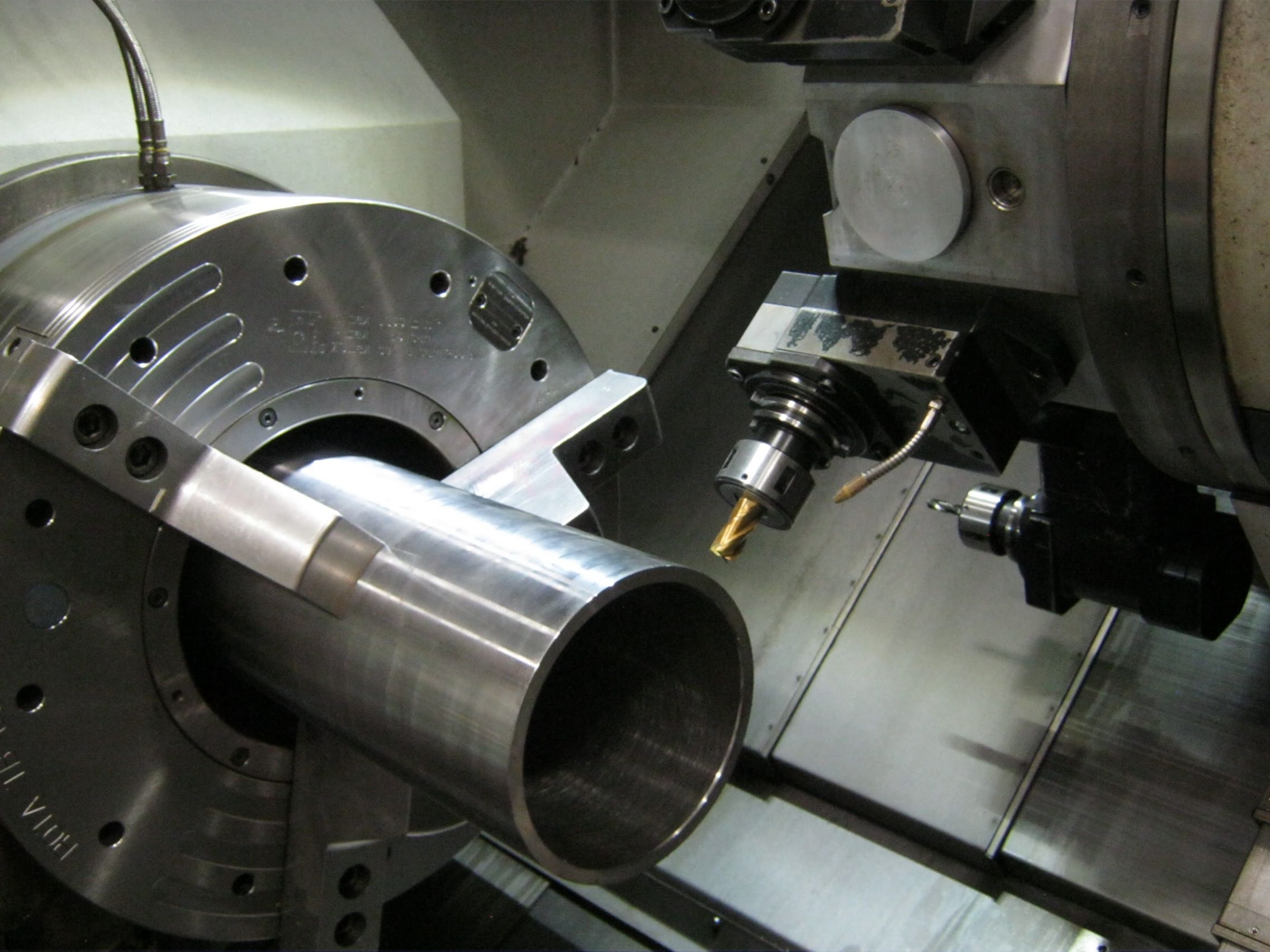
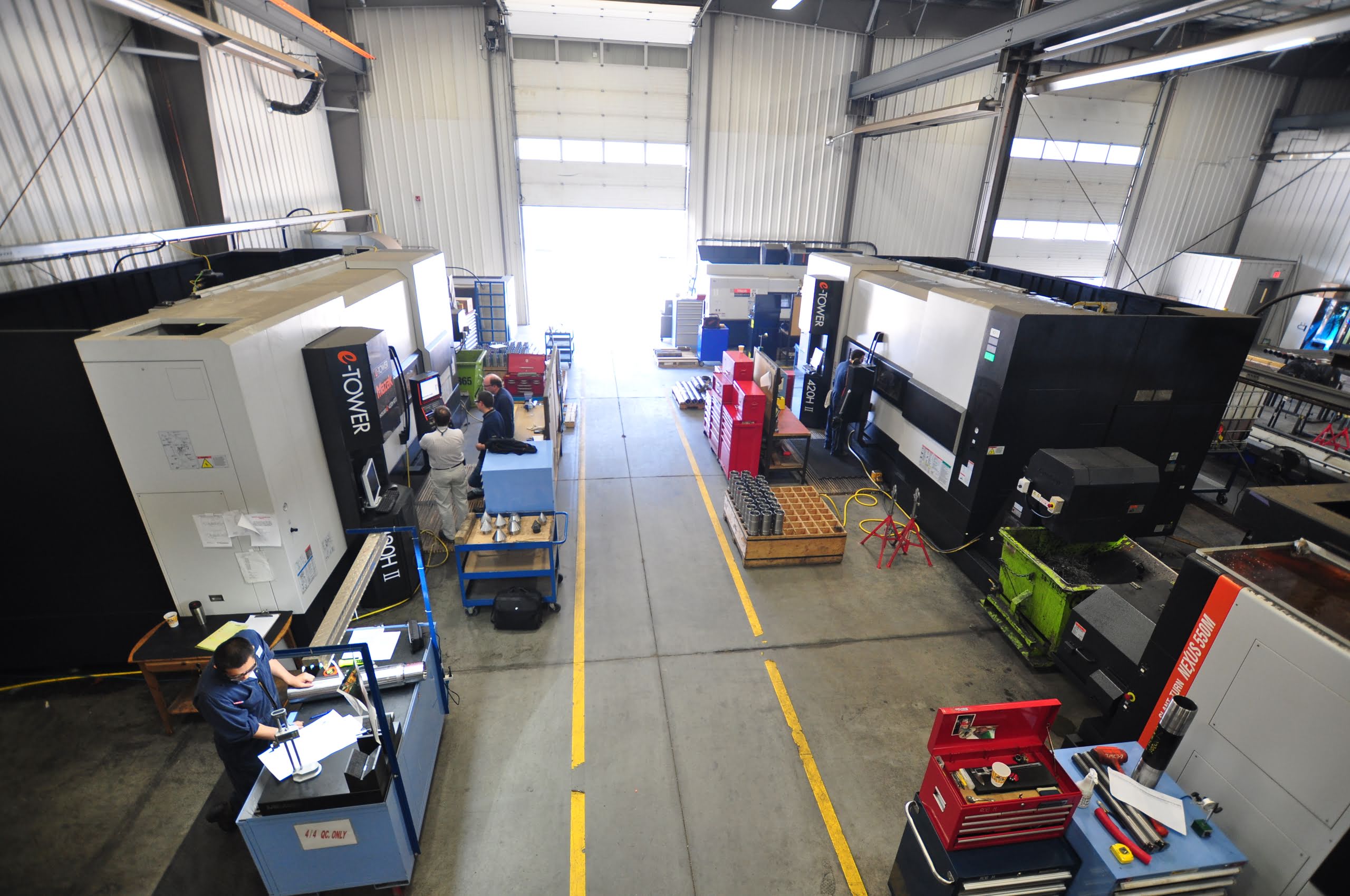
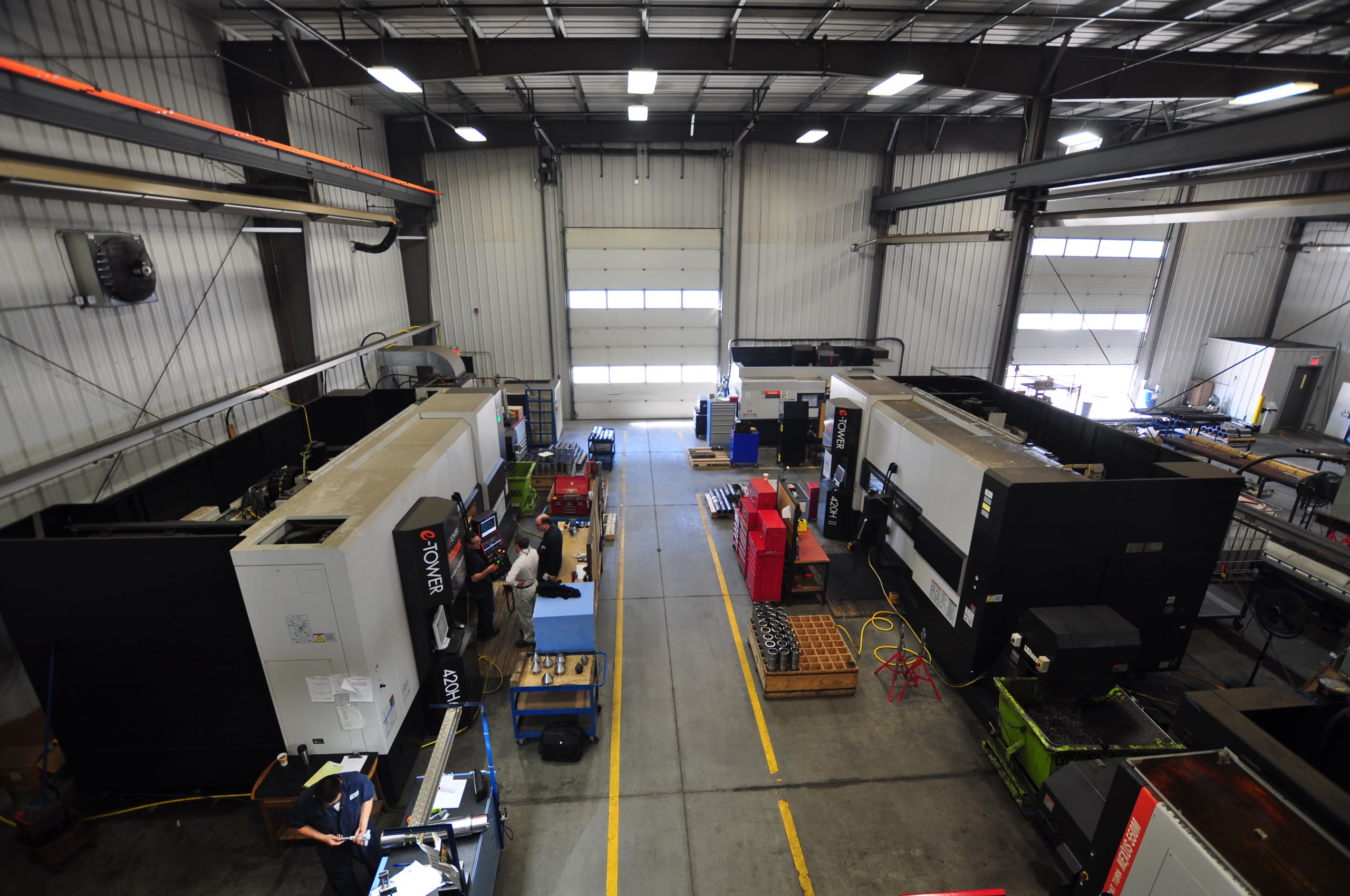
Buyers should therefore review the supplier’s equipment list, ask for examples of comparable work and confirm whether required processes are available in-house. For complex parts, engineering support and multi-axis capability can significantly affect manufacturability, lead time and setup risk.
A Practical CNC Supplier Evaluation Checklist
Use the certificate as one input in a broader evaluation. The ideal partner combines a functioning QMS with appropriate people, equipment, inspection, communication and capacity.
- Verify the ISO 9001:2015 certificate, scope, site and expiry
- Confirm machine envelope, axes, tooling and material experience
- Review the inspection plan and measurement capability
- Define traceability and final-data requirements
- Understand which processes will be subcontracted
- Discuss lead time, contingency plans and communication cadence
- Evaluate engineering, assembly, testing and logistics support
The Advantage of an Integrated Manufacturing Partner
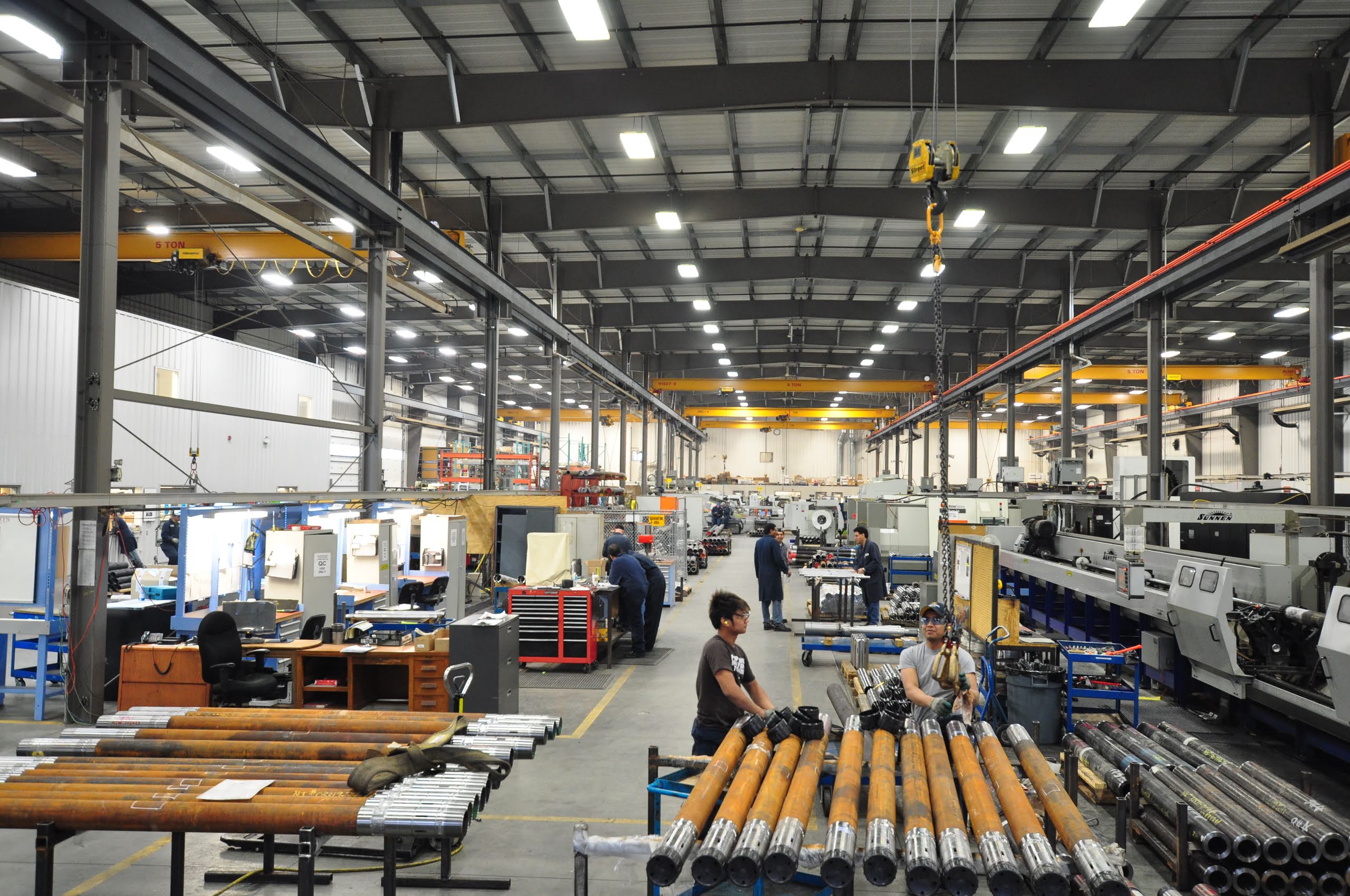
A shop that provides more than machining can reduce handoffs and simplify accountability. Norquest integrates engineering and design, machining, deep-hole processing, welding, surface treatment, assembly and testing, inspection, packaging and logistics.
For the customer, that can mean fewer purchase orders, less transportation between suppliers and a more consistent flow of quality information from raw material to finished product.
Frequently Asked Questions
Should every CNC machine shop be ISO 9001 certified?
Certification may not be necessary for every simple job, but it is often valuable for repeat production, regulated sectors, complex supply chains and components requiring documented controls.
How can I verify an ISO 9001 certificate?
Ask for the current certificate and confirm the registration body, scope, facility address, standard edition and expiry date.
Does ISO 9001 mean a shop can hold any tolerance?
No. Tolerance capability depends on the machine, process, tooling, environment, measurement method and the specific feature being produced.
Evaluate Norquest for Your Next CNC Program
Explore Norquest’s precision machining capabilities, machine and inspection resources and certified quality systems.
For a technical review, submit your drawings and requirements through the contact page.
about
avada factory
Sempery ultricies nibh at dolor cras urna eleifend nec. Atiam efficitur tempor.