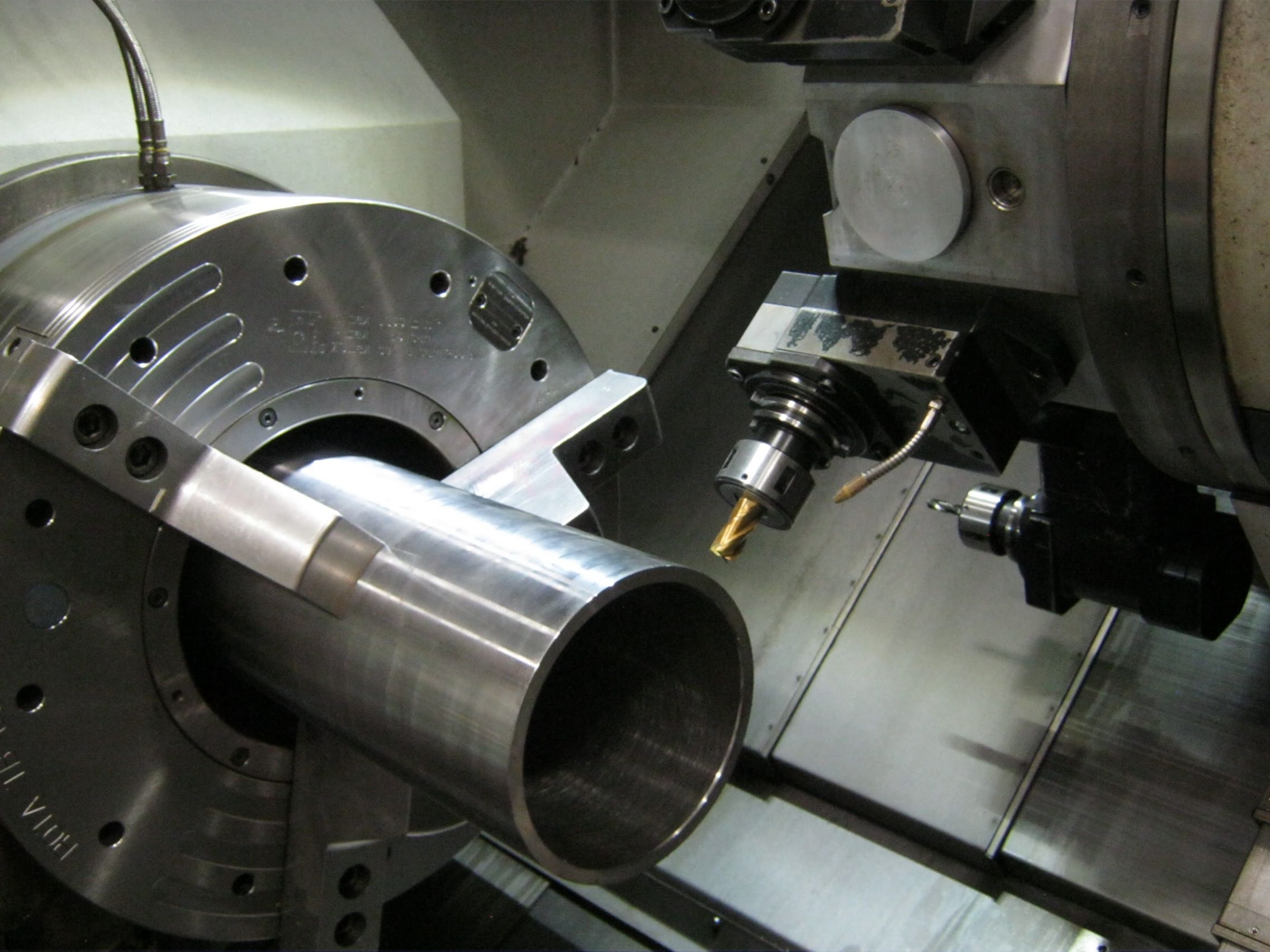
Precision machining converts technical requirements into physical features that may be measured in thousandths of an inch or finer. Achieving the dimension once is not enough. Customers need confidence that the process can be controlled, verified and repeated across lots, shifts and future orders.
Quality certifications such as ISO 9001:2015 and API Spec Q1 provide frameworks for managing that consistency. They do not replace machining expertise or product-specific standards, but they establish expectations for the processes that surround production.
Certification Creates a Common Quality Framework
A certified quality-management system defines how the organization reviews requirements, controls documents, approves suppliers, maintains equipment, verifies product and addresses problems. This shared framework reduces dependence on unwritten practices.
Norquest maintains API Spec Q1, 10th Edition and ISO 9001:2015 registrations. Its certification page lists the current registration identifiers, while the quality section describes the related inspection, traceability and documentation processes.
Precision Depends on Controlled Inputs
Dimensional results are influenced by material condition, tooling, workholding, programming, machine stability, temperature, inspection method and operator decisions. Quality systems help ensure these inputs are identified and managed in a repeatable way.
For example, a controlled setup instruction can preserve the intended datum strategy. Supplier controls can ensure the required alloy and heat treatment are obtained. Calibration controls can reduce the risk of accepting product with unsuitable measuring equipment.
Traceability Protects Critical Supply Chains
When a component is used in oil and gas, aerospace, defence, energy or heavy industrial equipment, customers may need to trace the delivered item back to material and process records. Traceability also supports investigation and containment if a concern is discovered later.
Norquest can document material heat numbers, certifications, inspection records and process history through its inspection and traceability system. The exact level should be defined by the purchase order and quality plan.
Certifications Support, but Do Not Replace, Inspection
A QMS certificate verifies the management system against the applicable standard. It does not measure the customer’s part. The manufacturer must still select suitable inspection methods and record objective evidence of conformity.
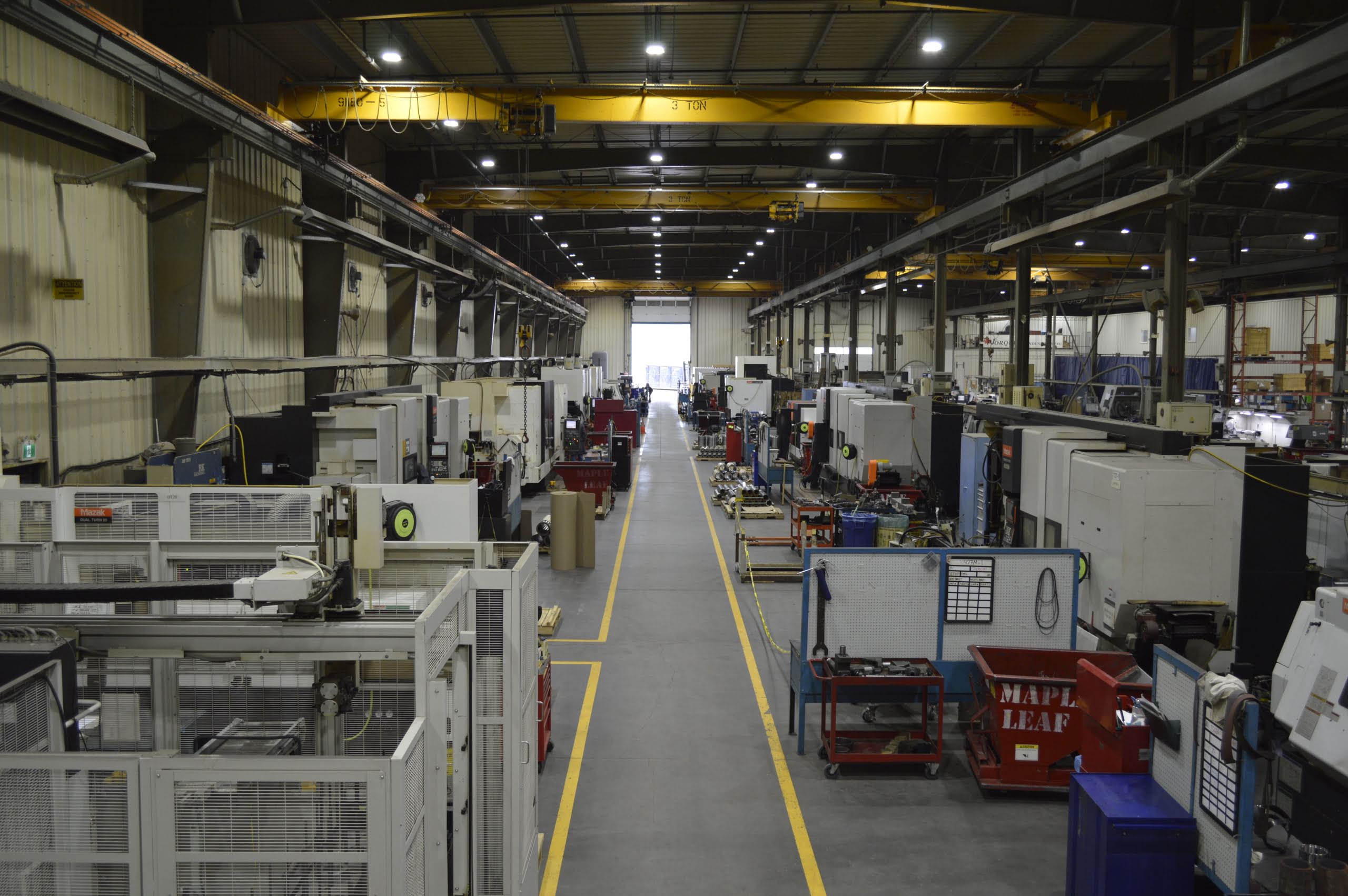
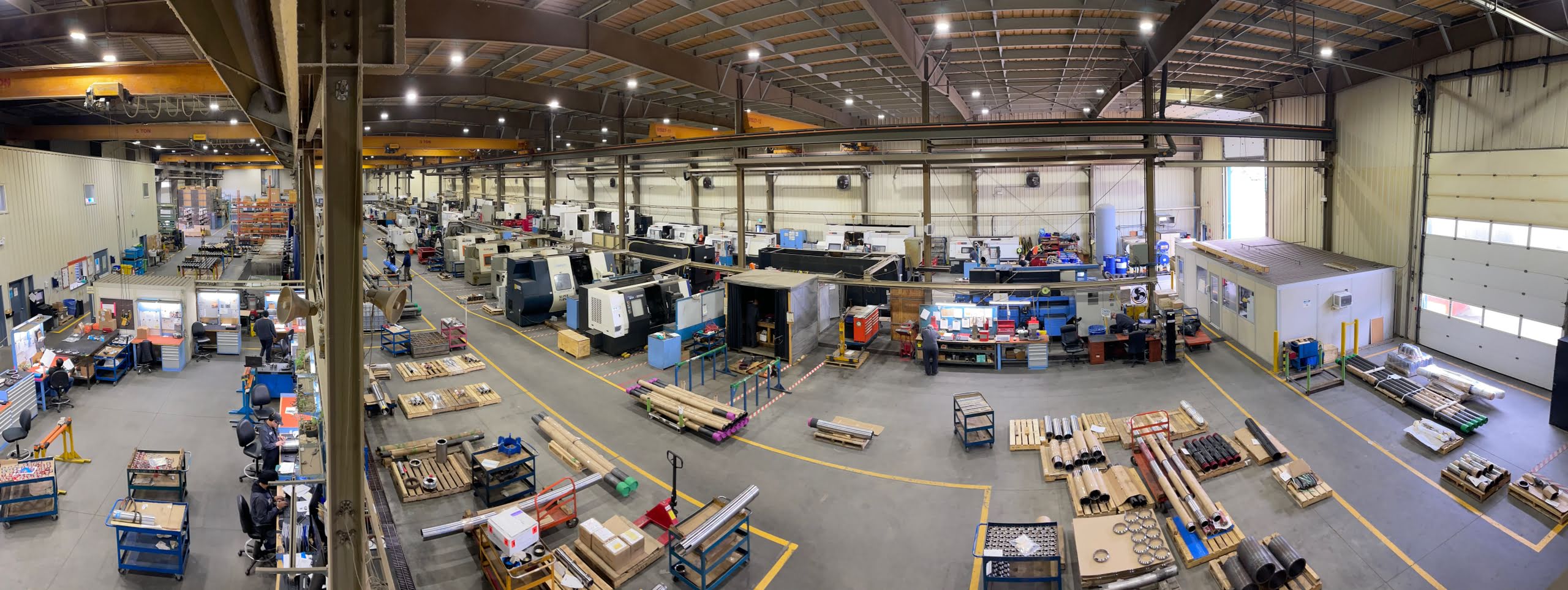
Available resources may include CMMs, FARO arm systems, precision gauging, surface-finish testers, hardness testing and NDE. Norquest summarizes its resources on the equipment list and quality assurance page.
Sector Certifications Add Context
ISO 9001 is broadly applicable. Sector-specific standards build on quality-management principles to address additional industry risks. API Spec Q1, for example, is directed toward organizations supplying products for the petroleum and natural gas industry.
A buyer should choose certifications based on the end use and contractual requirements. Aerospace or defence projects may impose additional customer approvals, product standards, export controls or quality-system expectations that must be evaluated independently.
How to Use Certifications During Supplier Selection
Certifications are most effective as part of a layered evaluation. Verify the document, then examine the shop’s ability to execute the work.
- Confirm the standard, edition, scope, facility and expiry date
- Review machine and process capability for the actual component
- Assess inspection, NDE, testing and calibration resources
- Define material, lot and serial traceability requirements
- Request representative documentation examples
- Discuss capacity, risks and communication before award
Frequently Asked Questions
Does ISO 9001 guarantee defect-free machining?
No. It establishes QMS requirements intended to support consistency and improvement, but product conformity still depends on effective execution and verification.
Why is API Spec Q1 relevant to machining?
It adds petroleum and natural gas industry requirements for organizations that manufacture products or provide manufacturing-related processes.
Can a non-certified shop make accurate parts?
Yes, but certification can provide additional assurance that formal, independently assessed quality-management controls are in place.
Build Quality Into the Complete Manufacturing Process
Norquest combines certified systems with advanced machining, engineering, CMM inspection, traceability, assembly and testing.
Use the contact form to share your quality clauses, drawings and documentation expectations.
about
avada factory
Sempery ultricies nibh at dolor cras urna eleifend nec. Atiam efficitur tempor.