A high-quality CNC manufacturing company is defined by far more than the age or brand of its machine tools. Reliable results come from the interaction of skilled people, capable equipment, controlled processes, suitable inspection and responsive project management.
For customers, the challenge is separating broad marketing claims from evidence that a supplier can manage the actual risks of the job. The strongest manufacturers can explain how they will produce, verify, document and deliver the component before the purchase order is released.
Capable Equipment and Process Knowledge
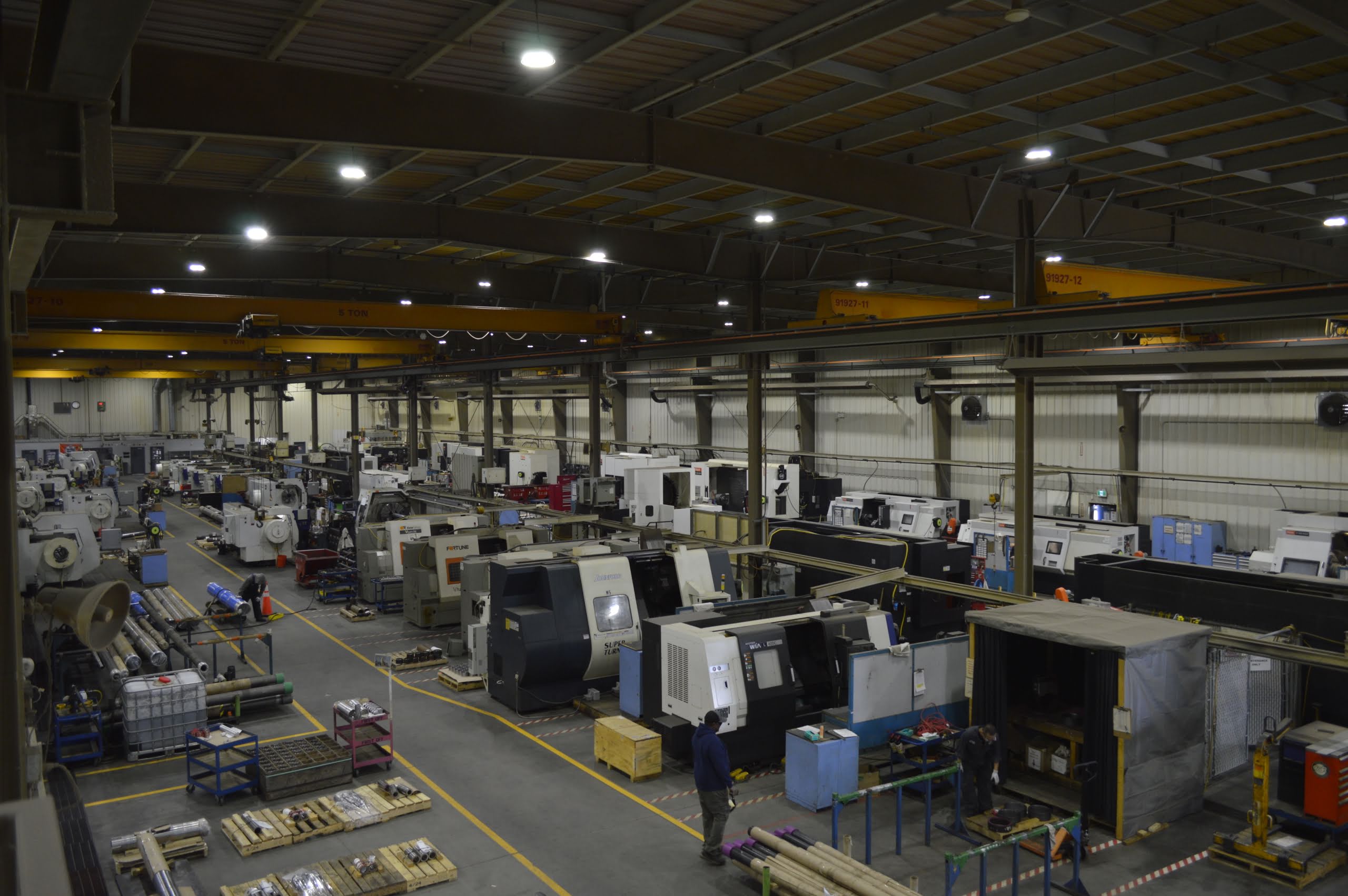
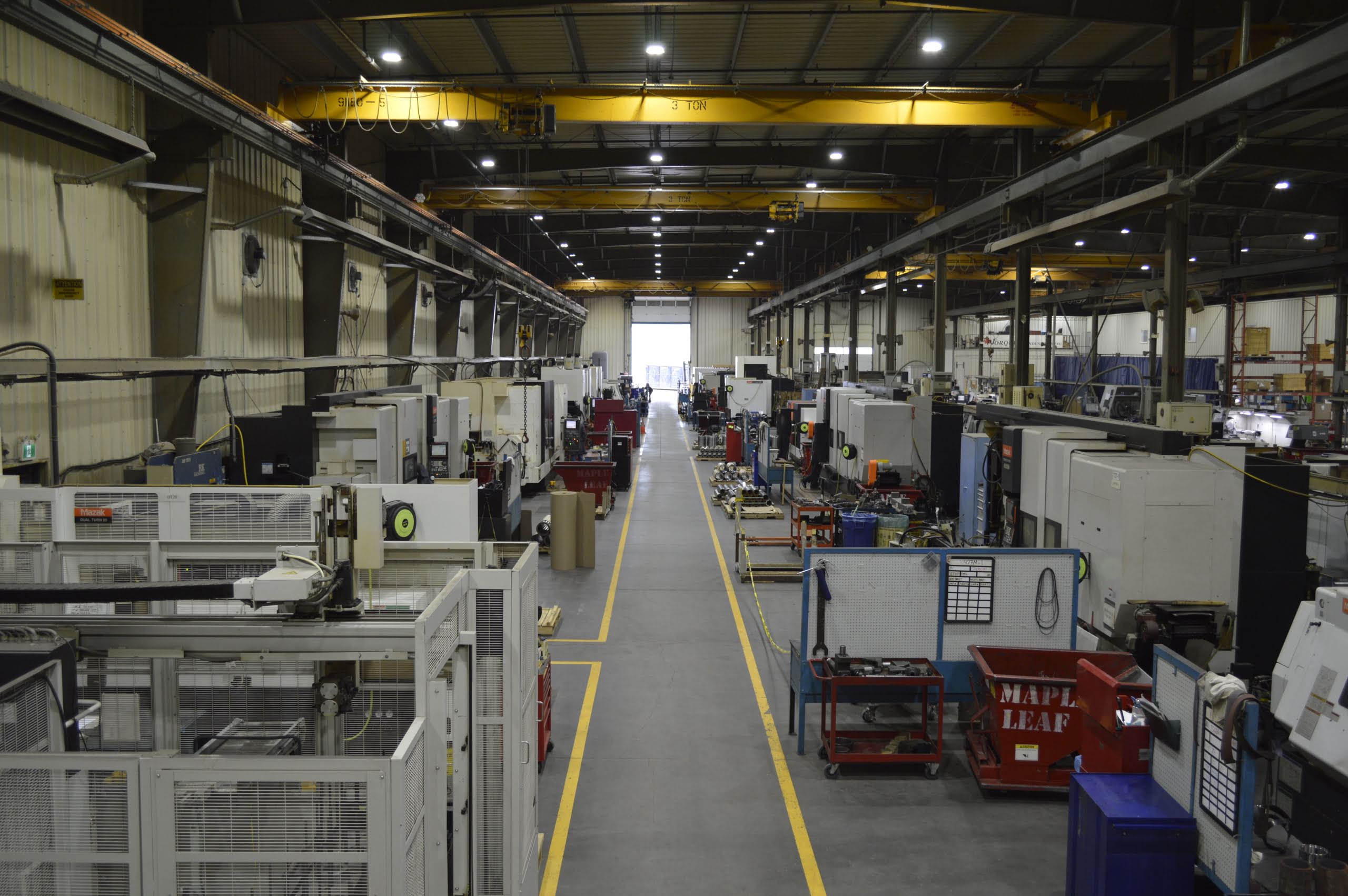
The machine must match the geometry, size, tolerance, material and volume. Multi-axis turning and milling can reduce setups and preserve relationships between features, while specialized equipment may be required for deep bores, large diameters, heavy components or highly polished internal surfaces.
Norquest’s precision machining operations include controlled-cycle and manual machining, high-production CNC and integrated multi-axis work cells. Its ID processing capability supports deep-hole drilling, pull boring and honing for demanding internal geometries.
A Quality System That Reaches Production
A strong quality system is visible in contract review, drawing control, purchasing, setup verification, in-process inspection and final release. Certification to ISO 9001:2015 or an applicable sector standard can provide evidence that these processes are formally managed.
The important test is whether the system helps the team prevent problems and respond effectively when conditions change. Quality should be part of planning, not an activity isolated in the inspection department.
Inspection That Matches the Requirement
Measurement capability must be appropriate for the feature. A caliper may be sufficient for one dimension, while complex profiles, true position or large assemblies may require CMM or portable coordinate measurement. Surface integrity may call for profilometry, hardness testing or NDE.
Buyers should review the manufacturer’s inspection and traceability approach and ask how measurement uncertainty, calibration and environmental conditions are addressed for critical features.
Engineering and Manufacturability Support
Manufacturing problems can often be prevented through early collaboration. A practical engineering team can identify unnecessary setups, difficult tool access, ambiguous datums, unrealistic surface requirements or material choices that increase cost without improving performance.
Norquest’s engineering and design services connect product requirements with actual production methods, supporting design refinement, process planning and cost-out value engineering.
Capacity, Communication and Accountability
A technically capable shop can still be a poor partner if schedules are not realistic or changes are not communicated. Buyers should understand how priorities are set, how progress is reported and who owns the response when an issue arises.
The strongest suppliers provide a clear point of contact while maintaining coordination between estimating, engineering, purchasing, production, quality and shipping.
Value-Added and Turnkey Capability
Moving components among multiple suppliers creates extra transportation, schedule handoffs and opportunities for records to become disconnected. Integrated welding, surface treatment, inspection, assembly and testing can simplify the supply chain when those capabilities are controlled effectively.
Norquest’s value-added services and turnkey manufacturing model are designed to deliver fully processed, inspected and ready-to-use products.
- Machining, boring and honing
- Welding, brazing and surface preparation
- NDE and dimensional inspection
- Mechanical assembly, torquing and functional testing
- Packaging, logistics and tailored documentation
- Prototype, quick-turn and inventory support
Questions to Ask Before Awarding Work
A useful supplier conversation should be specific. Rather than asking whether the shop does precision work, ask how it will control the most difficult feature on your drawing.
- What comparable parts or processes have you completed?
- Which operations will be performed in-house?
- How will critical dimensions be measured?
- What is the plan for material and process traceability?
- How will design changes and nonconformities be communicated?
- What records will accompany the shipment?
Frequently Asked Questions
Does newer CNC equipment always produce better parts?
Not automatically. Machine condition, process design, tooling, setup, programming, thermal control and inspection all influence the result.
Why are multi-axis machines valuable?
They can consolidate operations, reduce setups and improve relationships between features, depending on the component.
What is the best indicator of CNC supplier quality?
No single indicator is sufficient. Look for the combination of a functioning QMS, appropriate equipment, skilled people, inspection capability, traceability and reliable communication.
Choose a Manufacturing Partner Built for Complex Work
Norquest brings together more than machining through precision manufacturing, engineering, quality assurance, assembly, testing and logistics.
Visit the contact page to arrange a facility discussion or submit a project for review.
about
avada factory
Sempery ultricies nibh at dolor cras urna eleifend nec. Atiam efficitur tempor.