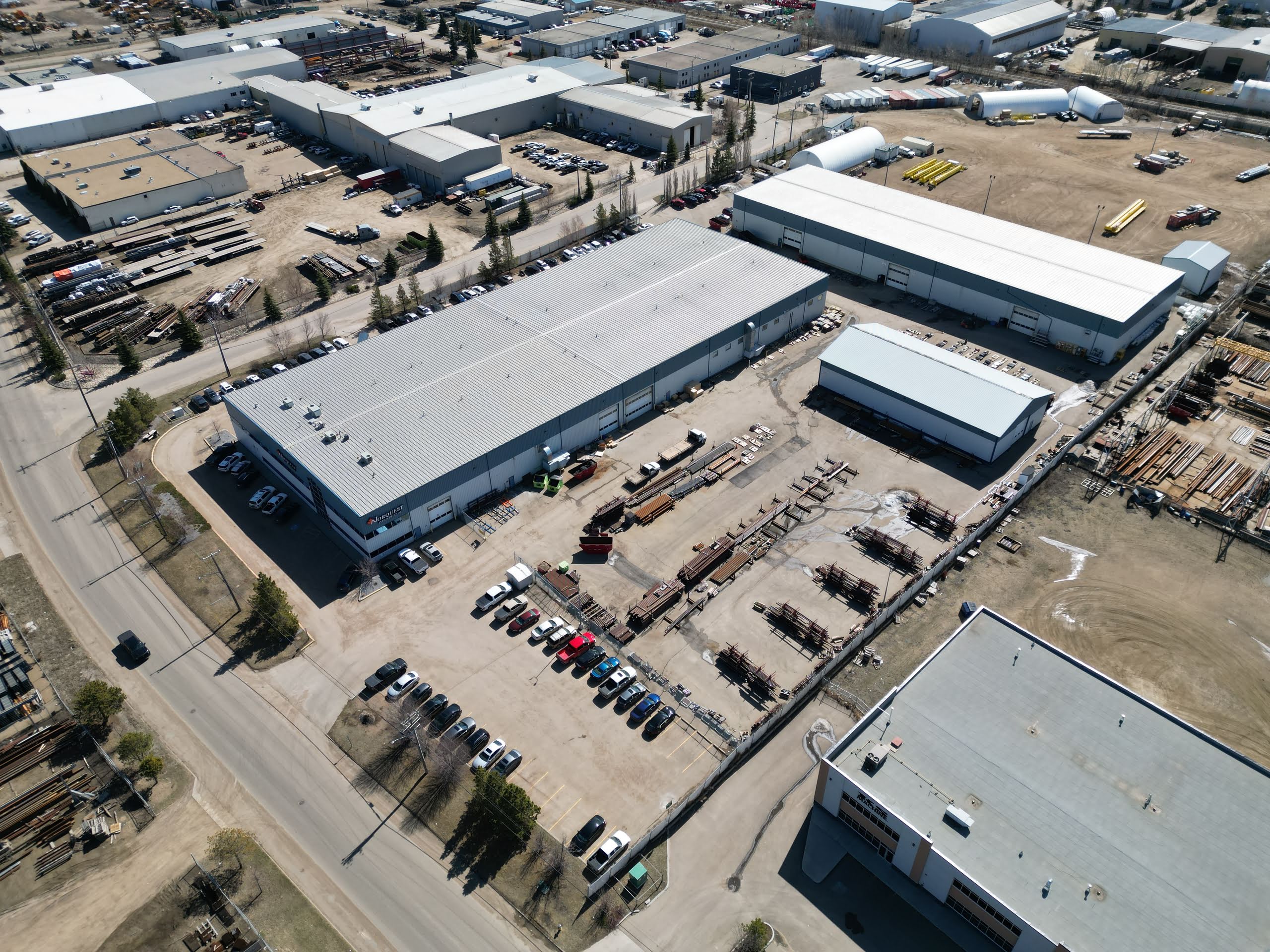
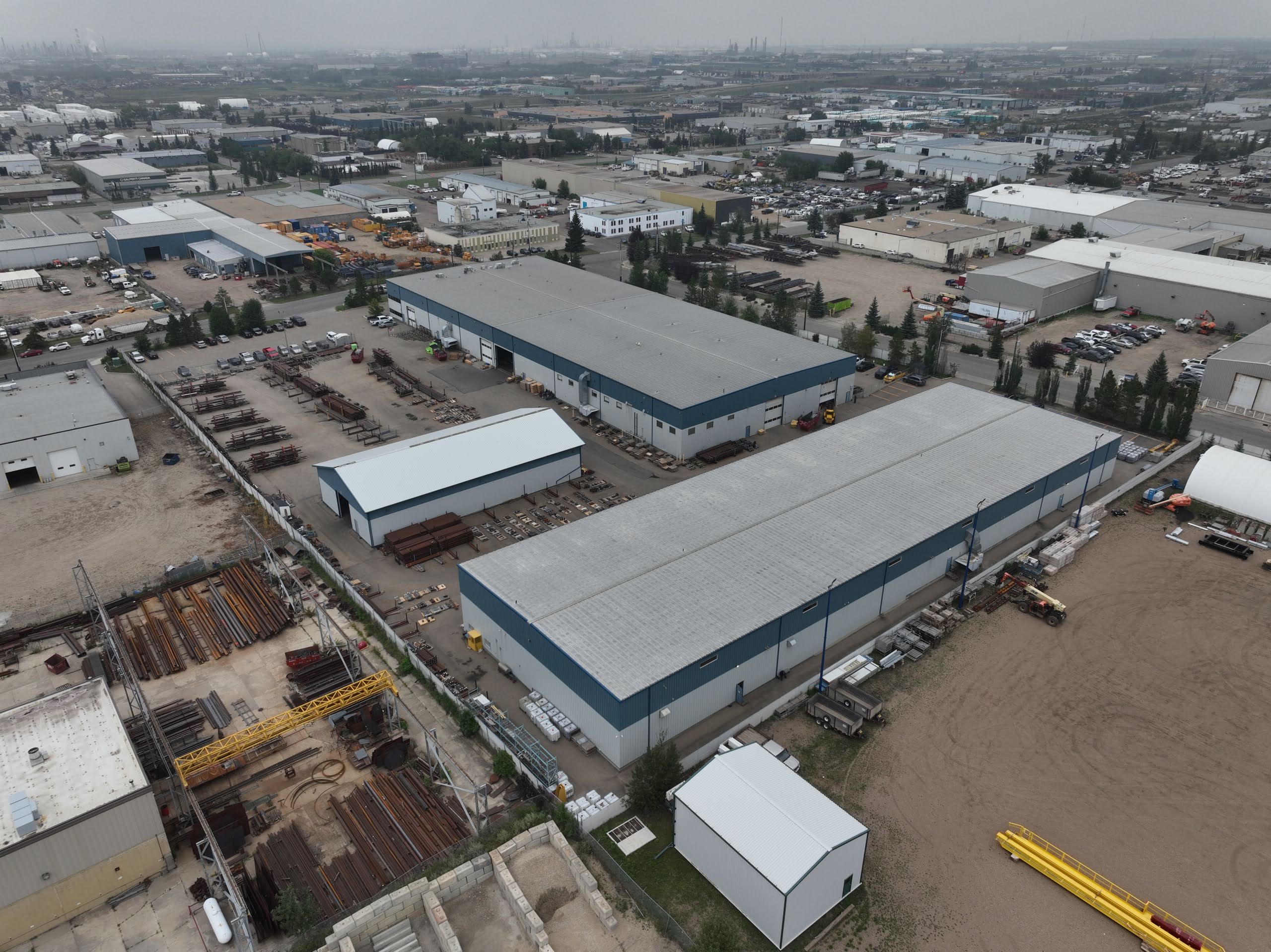
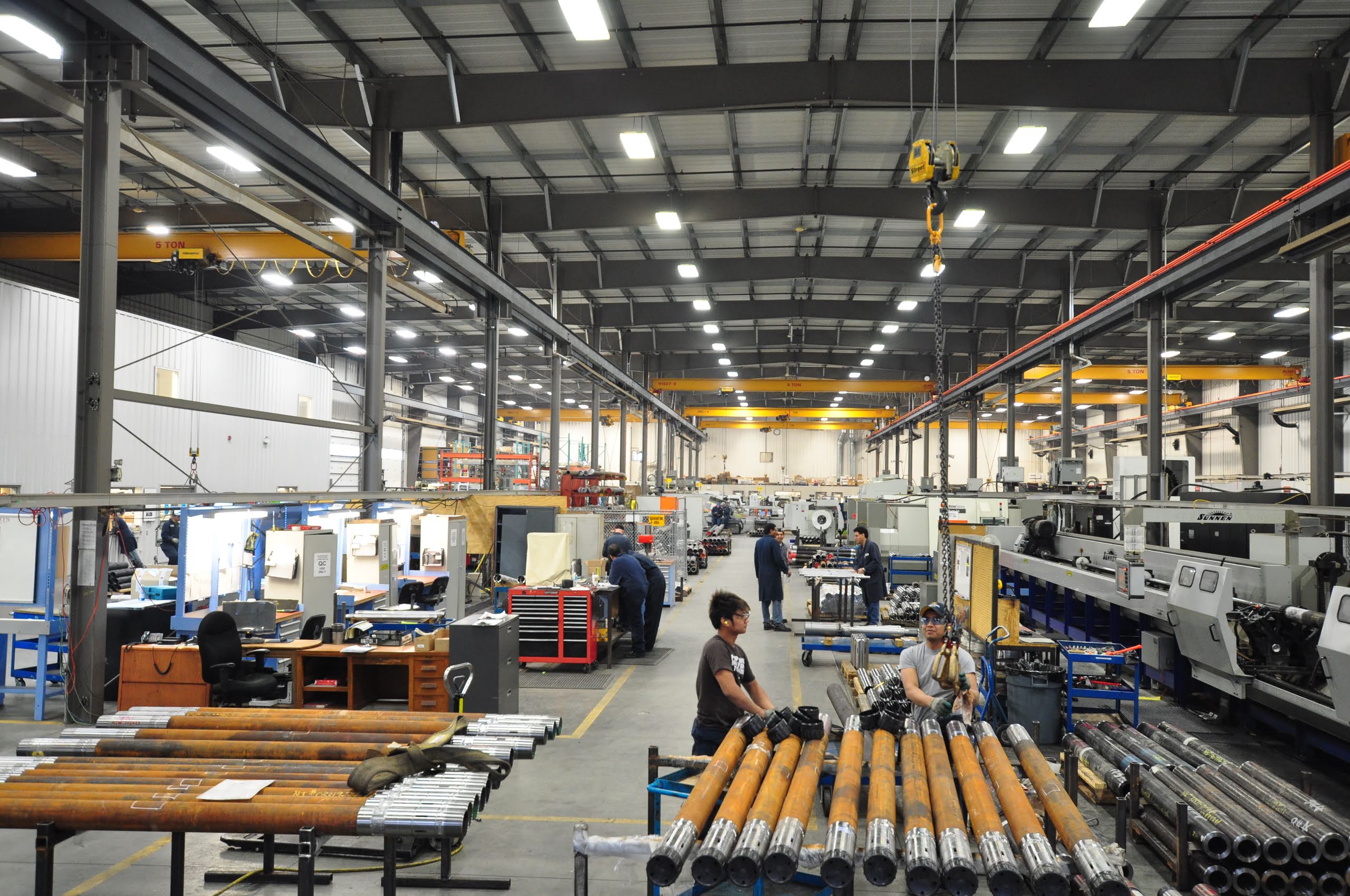
Turnkey manufacturing gives a customer one accountable partner for multiple stages of product realization. Instead of separately coordinating material, machining, welding, coatings, inspection, assembly, testing and shipping, the buyer receives a finished component or assembly through one managed project.
The model can reduce administrative work and supply-chain interfaces, but its value depends on the prime manufacturer’s technical capability and control over both in-house and external processes.
Fewer Supplier Handoffs
Every handoff creates communication, transportation and scheduling risk. Requirements can be interpreted differently, parts can be damaged in transit and process records can become separated from the product.
A turnkey partner maintains a single routing and quality plan across the complete project, even when approved specialist suppliers perform selected operations.
One Point of Accountability
When buyers manage multiple suppliers, they often become the de facto project integrator. A turnkey manufacturer assumes responsibility for coordinating the sequence, resolving interfaces and confirming completion before release.
The purchase order should still clearly define design authority, acceptance criteria, approvals and customer responsibilities.
Integrated Quality and Traceability
A unified QMS can connect material records, machining, outside processes, inspection, assembly and final documentation. This improves visibility and reduces the need to reconcile separate supplier records.
Norquest’s turnkey manufacturing is supported by API Spec Q1 and ISO 9001 systems, inspection and traceability and tailored documentation.
Shorter and More Predictable Lead Times
Turnkey coordination can overlap appropriate planning activities, reduce waiting between purchase orders and give one team visibility into the critical path. It can also identify long-lead materials or processes earlier.
Actual lead-time improvement depends on capacity, material availability, approvals and project complexity, but consolidated management generally creates clearer schedule ownership.
Engineering and Manufacturability Support
Because the turnkey supplier sees the complete route, it can identify interactions between design, machining, coating, assembly and testing. For example, coating thickness may affect a fit, or a weld sequence may affect final machining allowance.
Norquest integrates engineering and design with production planning to address these interfaces early.
Complete, Ready-to-Use Products
The customer may receive a fully machined, finished, inspected, assembled, tested, preserved and packaged product rather than a collection of partially completed parts.
Norquest’s assembly and testing can include controlled mechanical builds, torquing, functional verification and supporting records based on project requirements.
Improved Cost Visibility
A consolidated quote can make total acquisition cost more visible by including coordination, freight between processes, inspection and documentation. The lowest piece-price route is not always the lowest total-cost route once internal administration and delay risk are considered.
Buyers should compare scope carefully to ensure competing quotations include the same processes and records.
When Turnkey Manufacturing Is Most Valuable
The model is especially useful when a product contains multiple controlled operations or when the buyer has limited internal resources for supplier integration.
- Complex machined components requiring several processes
- Assemblies with purchased and custom parts
- Projects needing NDE, coating or functional testing
- Critical documentation and traceability packages
- Prototype-to-production programs
- Remote, export or time-sensitive deliveries
- Organizations seeking to reduce their active supplier count
How to Select a Turnkey Partner
Evaluate both capability and project-management discipline.
- Which core processes are completed in-house?
- How are external suppliers approved and monitored?
- Who owns schedule, quality and technical communication?
- How are changes and nonconformities controlled?
- Can the partner provide the required final-data package?
- Does it have capacity for prototypes, production and urgent work?
- Can it manage preservation, packaging and logistics?
Frequently Asked Questions
Does turnkey mean every process is in-house?
Not necessarily. A turnkey manufacturer may use controlled specialist suppliers while remaining responsible for project coordination and final conformity.
Is turnkey manufacturing more expensive?
The quoted price may include more scope, but total cost can be lower when supplier management, freight, delays, duplicated inspection and administrative burden are considered.
Who owns the design in a turnkey project?
Design ownership and authority depend on the contract. They should be defined explicitly.
Simplify a Complex Manufacturing Supply Chain
Norquest combines machining, engineering, welding, surface treatment, inspection, assembly, testing, documentation and logistics in a managed turnkey solution.
Submit the complete scope through the contact page for a coordinated quote.
about
avada factory
Sempery ultricies nibh at dolor cras urna eleifend nec. Atiam efficitur tempor.