ISO 9001:2015 is an international standard that defines requirements for a quality management system. Organizations use it to build consistent processes, meet customer and applicable regulatory requirements, measure performance and improve how work is carried out.
For manufacturers, ISO 9001:2015 provides a framework that links sales, engineering, purchasing, production, inspection, delivery and corrective action. For buyers, certification can be a useful indicator that the supplier has formal controls, although it should always be considered alongside technical capability and project-specific requirements.
What a Quality Management System Does
A quality management system, or QMS, is the organized set of responsibilities, processes, controls and records used to deliver consistent results. It helps ensure that customer requirements are not left to memory or individual interpretation.
In manufacturing, the QMS can govern how drawings are reviewed, materials are purchased, machines are maintained, inspection equipment is calibrated and nonconforming work is addressed. It also establishes how performance data and customer feedback are used to improve the organization.
The Main ISO 9001:2015 Requirements
ISO 9001:2015 is organized around the context of the organization, leadership, planning, support, operation, performance evaluation and improvement. These clauses encourage organizations to manage connected processes rather than treating quality as a final inspection activity.
- Understand interested parties, business context and the scope of the QMS
- Define leadership responsibilities and a quality policy
- Address risks and opportunities
- Provide competent people, infrastructure, knowledge and controlled information
- Plan and control the delivery of products and services
- Monitor performance through audits, measurement and management review
- Correct problems and pursue continual improvement
Risk-Based Thinking in Manufacturing
Risk-based thinking asks an organization to consider what could prevent a process from achieving the intended result. In a machine shop, risks may include ambiguous drawings, unavailable material, unstable tooling, incorrect revisions, supplier delays, measurement uncertainty or insufficient capacity.
The response should be proportionate to the risk. A simple noncritical part may need a straightforward inspection plan, while a pressure-containing or safety-related component may require additional verification, traceability, process qualification and documentation.
How ISO 9001 Supports Precision Machining
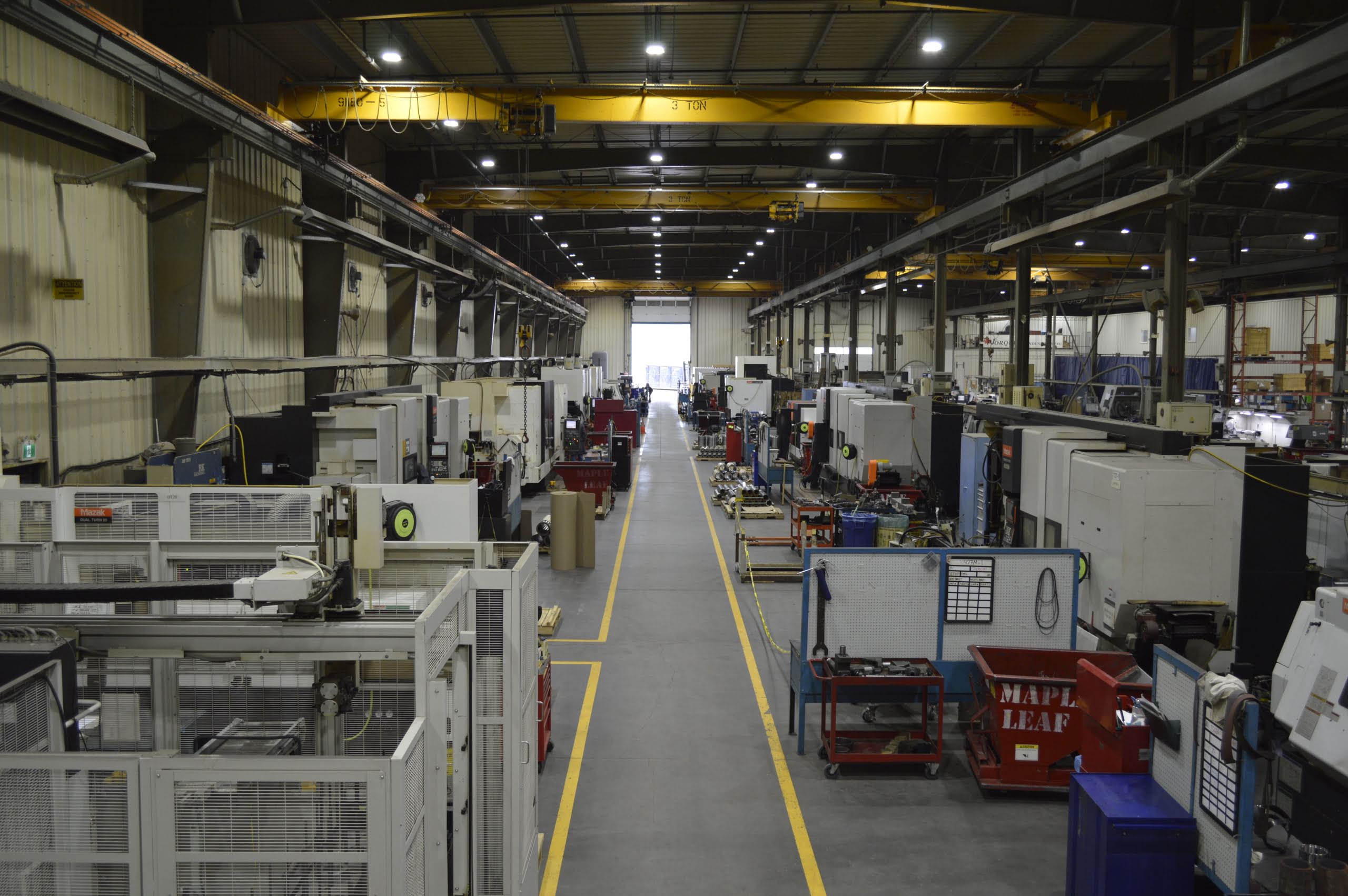
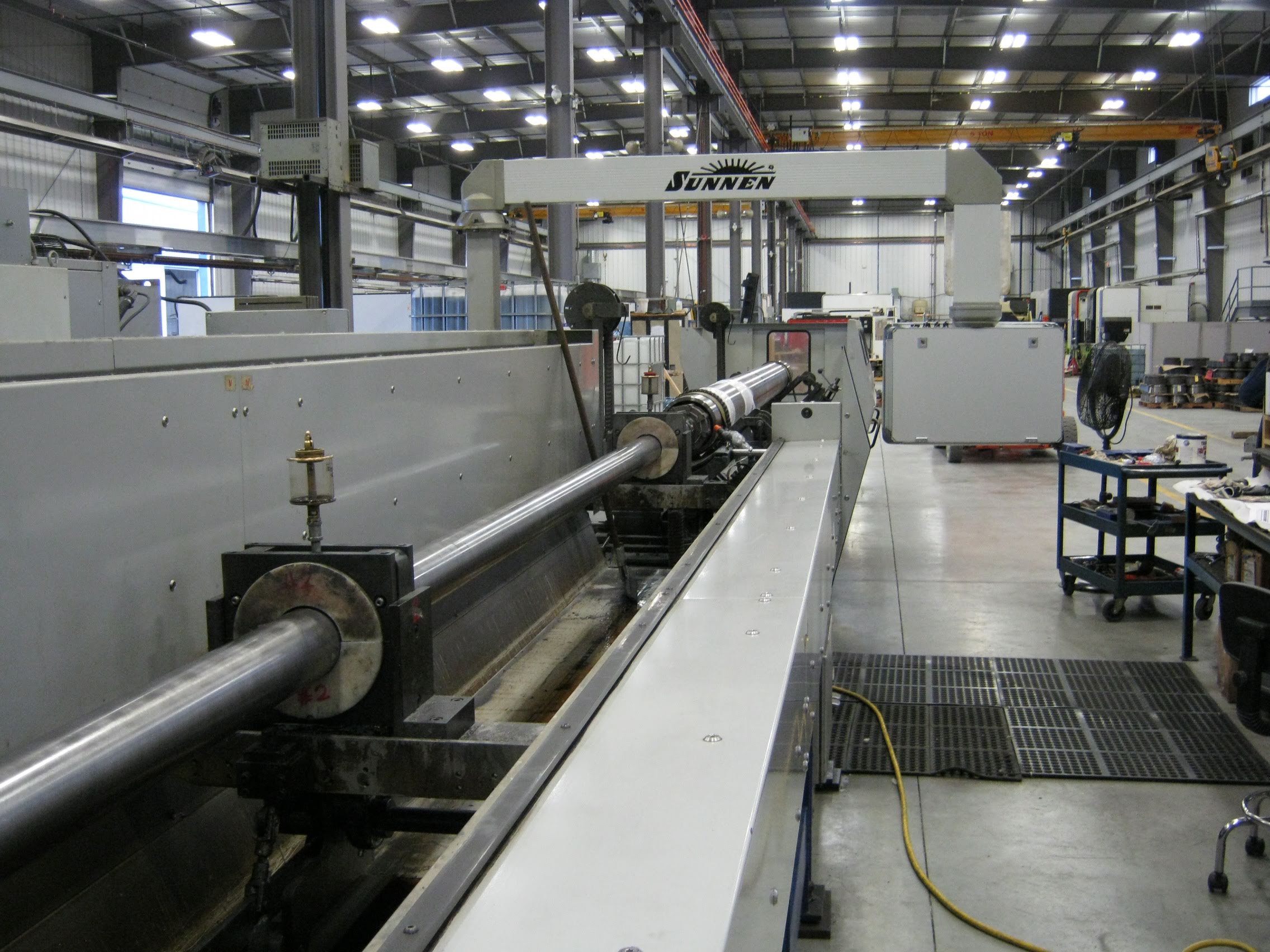
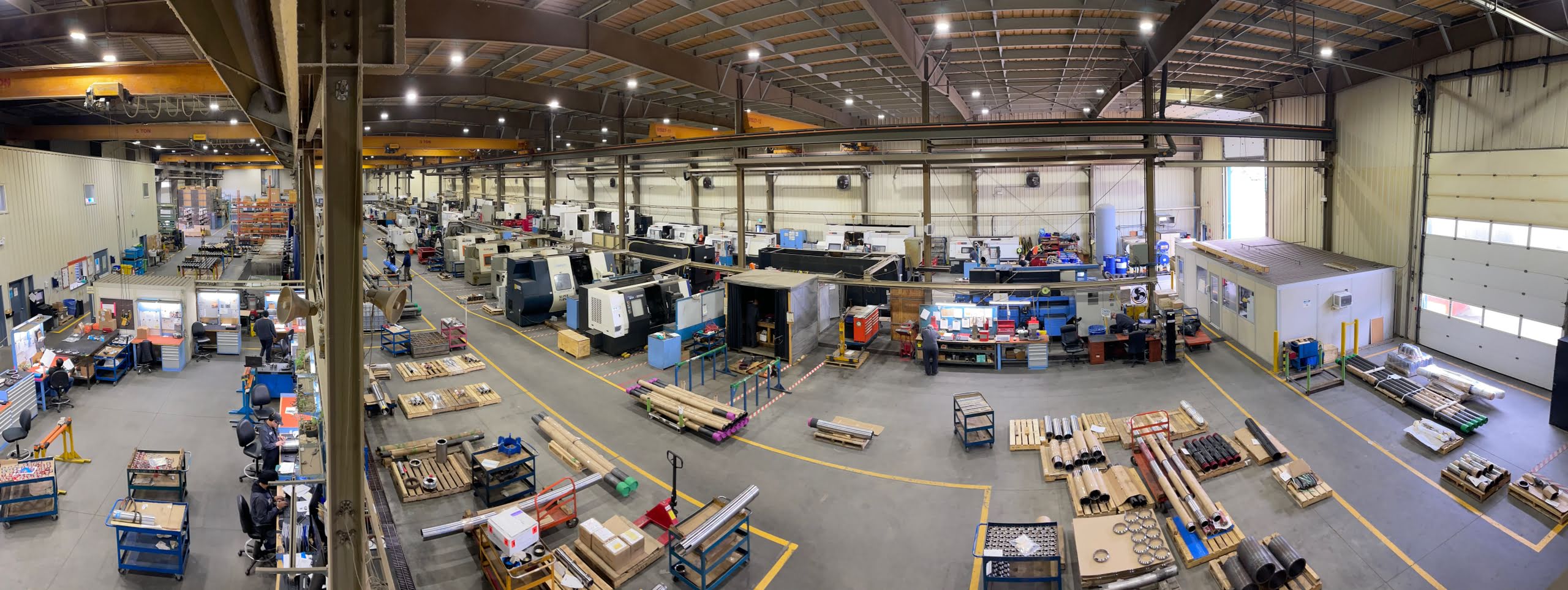
A certified QMS supports the technical work performed by machinists, programmers, engineers and inspectors. At Norquest, the system connects precision machining, engineering and design, supplier control, in-process verification and final documentation.
Advanced measurement resources, including CMM and portable measurement systems, are part of the broader inspection and traceability process. The goal is to verify that the manufactured result aligns with the controlled technical requirements.
How Buyers Should Evaluate an ISO 9001 Manufacturer
Certification should be verified directly and reviewed for scope, site and validity. The next step is to determine whether the supplier can execute the work. Ask for an equipment list, sample inspection documentation and a clear explanation of how special characteristics will be controlled.
A strong supplier should be willing to discuss risks before production, clarify documentation expectations and explain how engineering, machining, outside processing, inspection and shipping will be coordinated.
- Confirm the exact certification scope and registration details
- Review relevant machine sizes, axes, tooling and capacity
- Evaluate CMM, gauging, NDE and testing capabilities
- Define material and lot traceability requirements
- Agree on first-article, in-process and final inspection records
- Establish change-control and communication expectations
Frequently Asked Questions
Is ISO 9001:2015 only for manufacturers?
No. It can be applied by organizations of different sizes and sectors, although its process-based requirements are especially useful in manufacturing.
Does ISO 9001 certify the quality of a specific product?
No. It certifies a quality-management system. The product must still comply with its drawing, specification, code and purchase requirements.
Why does ISO 9001 use risk-based thinking?
Risk-based thinking helps organizations anticipate factors that could affect conformity, customer satisfaction and process performance.
Work With an ISO 9001:2015 Registered Manufacturer
Norquest supports complex projects with certified quality systems, multi-axis machining, engineering, ID processing, assembly, testing and documented inspection.
Review our equipment list or contact Norquest to discuss a component, assembly or turnkey manufacturing program.
about
avada factory
Sempery ultricies nibh at dolor cras urna eleifend nec. Atiam efficitur tempor.