API Spec Q1 certification can narrow the field when sourcing products for the petroleum and natural gas industry, but the certificate is only the beginning of supplier qualification. The right manufacturing partner must also have the technical capacity, process controls, inspection resources and communication discipline required by the specific component.
A structured evaluation helps procurement and engineering teams avoid selecting a supplier whose certification is valid but whose practical capabilities do not align with the job. The following steps can be used for new suppliers, strategic sourcing programs and complex one-time projects.
1. Verify the Registration
Request the current API Spec Q1 certificate or registration document and review it carefully. Confirm the company name, facility address, edition, registration number, scope and expiry date. The scope should cover the manufacturing activities relevant to the proposed work.
Norquest Industries’ API Spec Q1, 10th Edition registration identifies precision machining, tailored turnkey product manufacturing, raw-material sourcing, project management, engineering design, assembly and testing within its registered scope.
2. Match Equipment to the Component
A supplier should be able to explain how the part will be manufactured, not simply state that it can be done. Review machine travel, chuck capacity, axis configuration, deep-bore capability, tooling strategy and expected setup sequence.
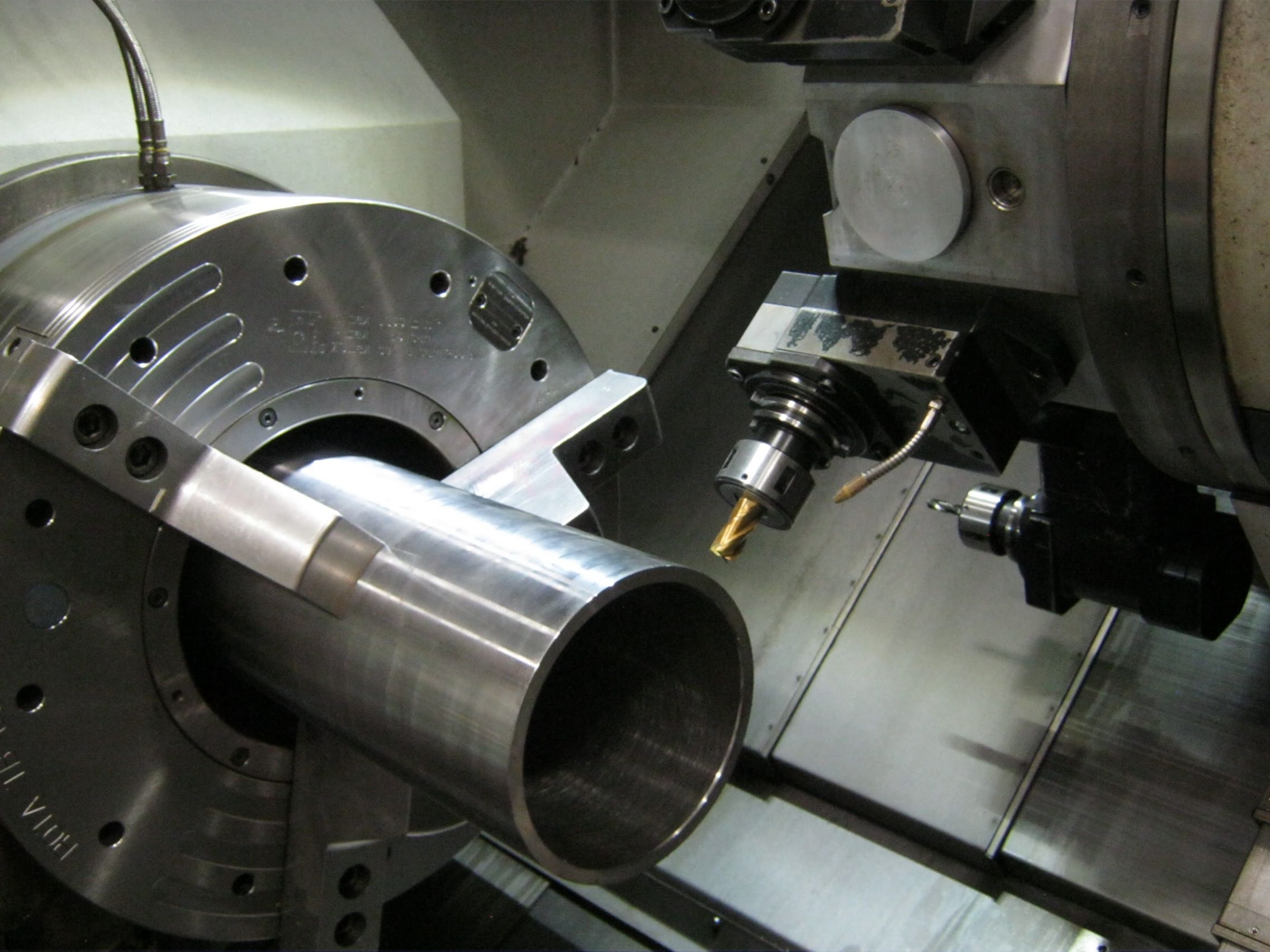
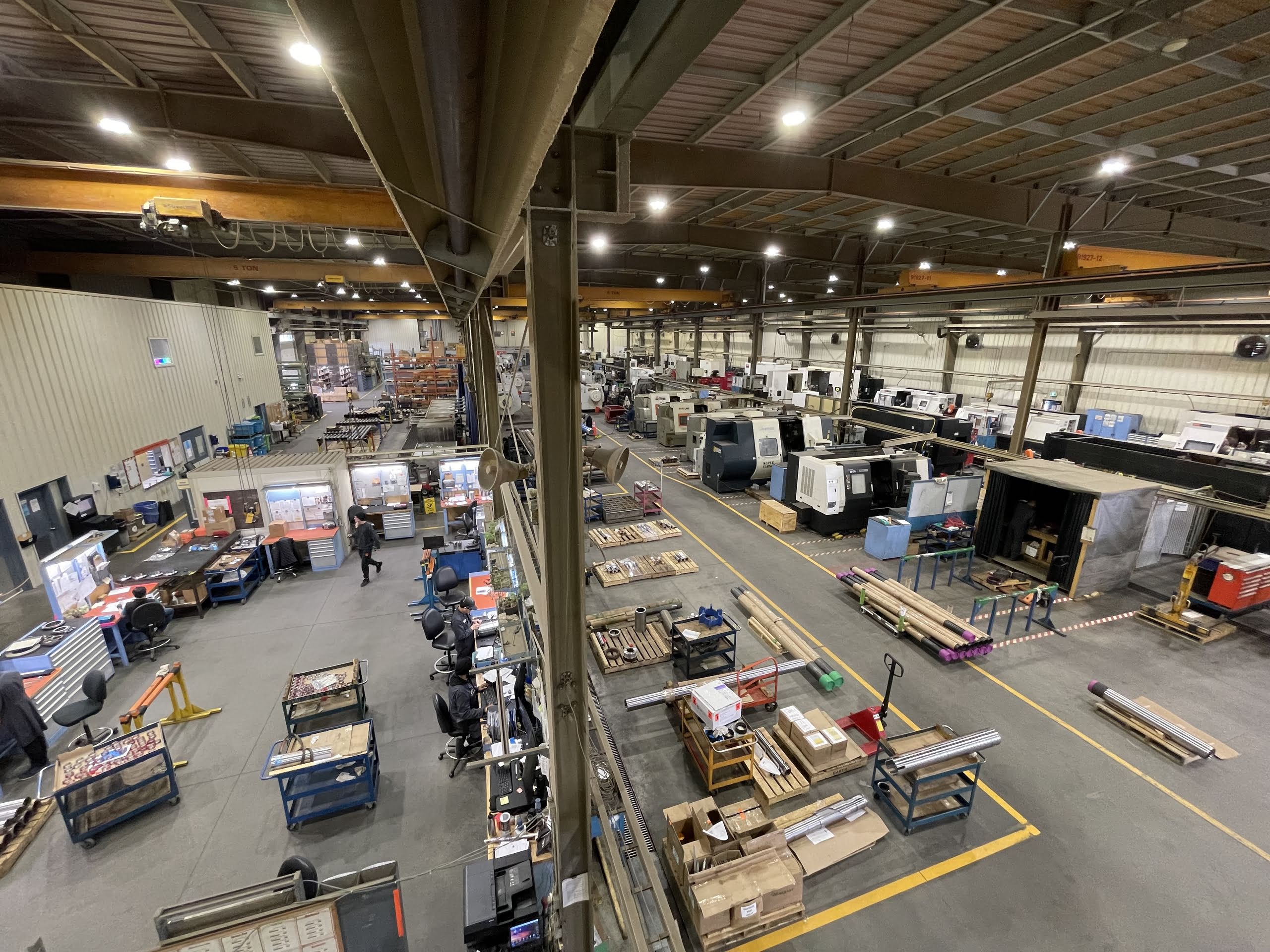
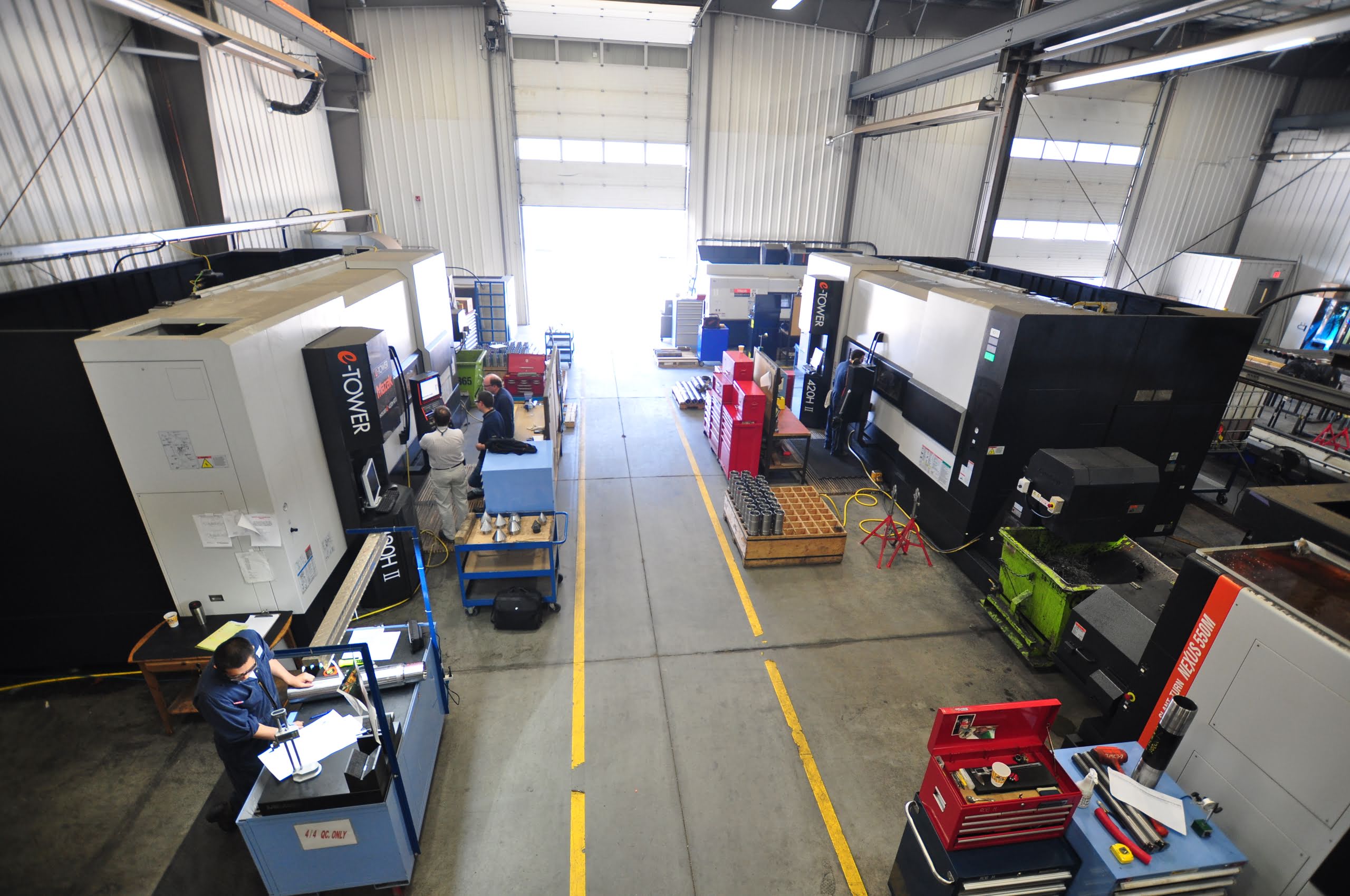
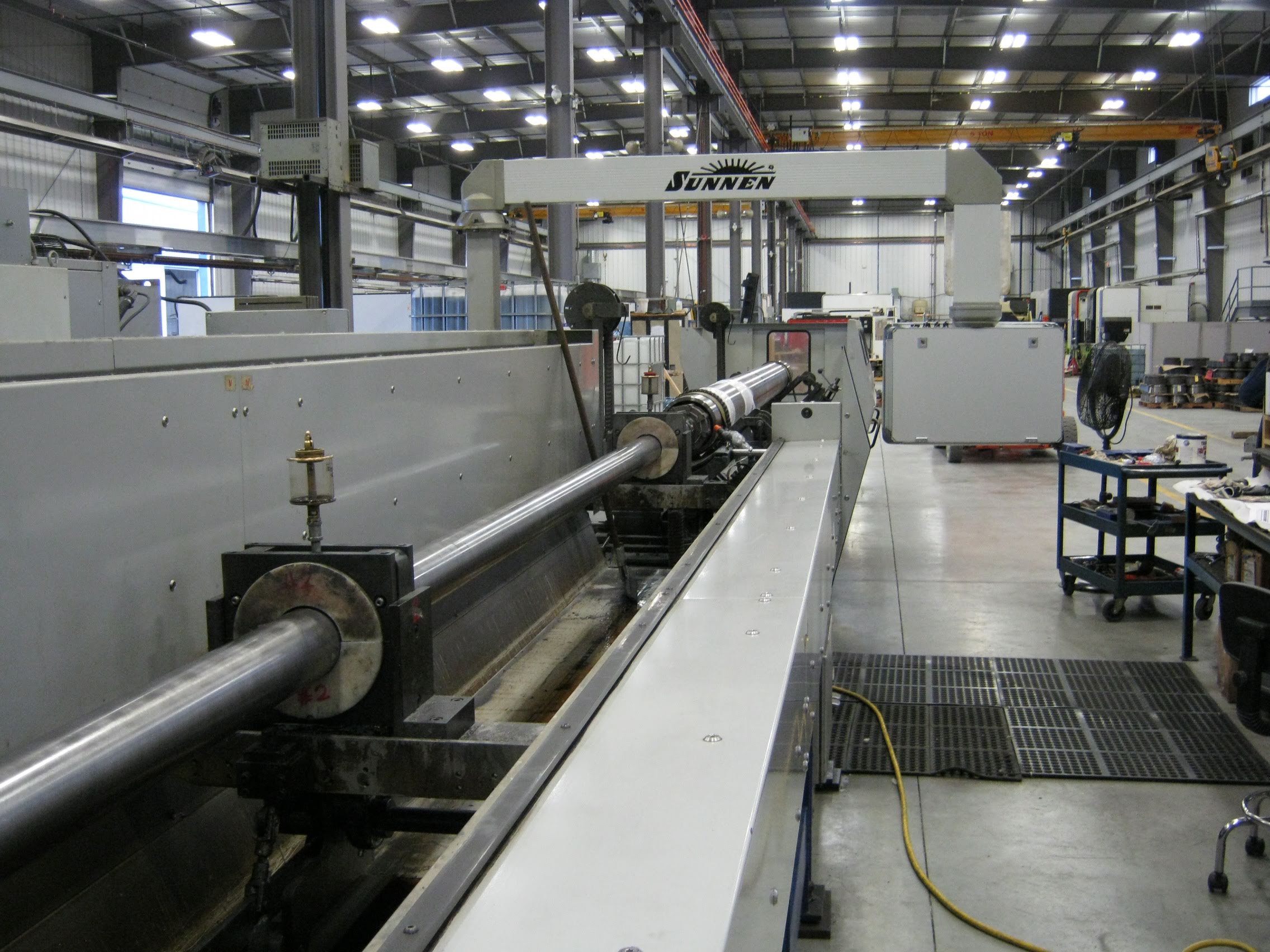
Norquest operates a diverse group of CNC, manual and integrated multi-axis work cells, supported by deep-hole drilling, pull boring and honing. Its published equipment list helps buyers perform an early capability check.
3. Review Quality Planning and Inspection
Ask how the supplier will translate the drawing and purchase-order requirements into an inspection plan. Critical and special characteristics should be identified before production, and the measurement method should be appropriate for the tolerance and geometry.
Available inspection may include CMM, FARO arm, precision gauges, optical comparison, surface-finish measurement and NDE. The supplier should also explain how results will be recorded and connected to the delivered product through inspection and traceability controls.
4. Evaluate Material and Supplier Controls
Oilfield components often rely on specific alloys, heat treatments, coatings or other special processes. Determine how raw material is approved, received, identified and preserved through manufacturing. For outsourced processes, ask how suppliers are selected, monitored and required records are obtained.
The manufacturer should be able to maintain the relationship between material certificates, lot or heat numbers, process certifications and finished components when full traceability is specified.
5. Define Documentation Before the Quote Is Final
Documentation can materially affect cost and lead time. A basic certificate of compliance is different from a complete manufacturing record book containing MTRs, process certificates, dimensional reports, NDE results, photographs and testing records.
Norquest’s documentation process is designed to support tailored packages. Buyers should list every required document in the request for quotation so the manufacturing plan and price reflect the actual obligation.
6. Assess Engineering and Change Management
Complex work benefits from a manufacturer that can identify manufacturability risks and communicate them early. Ask whether engineers and production specialists participate in contract review, process planning and deviation discussions.
Norquest’s engineering and design team supports material selection, design refinement, process planning, finite-element analysis and value-engineering discussions. Any proposed change should still be controlled and approved in accordance with customer requirements.
7. Look Beyond the First Order
A strong partner should be able to support prototypes, production, urgent replacements, inventory programs and product revisions. Discuss capacity planning, contingency arrangements and the approach to repeat orders.
Capabilities such as prototype development, quick-turn manufacturing and inventory consignment can become important as the program matures.
Frequently Asked Questions
Is every API Spec Q1 manufacturer suitable for every oilfield product?
No. Certification verifies a quality-management system within a stated scope. Technical suitability depends on equipment, processes, experience, inspection and project requirements.
What should be included in an API Q1 supplier audit?
The audit should be risk-based and may cover registration validity, contract review, production planning, supplier control, calibration, inspection, traceability, nonconformance, corrective action and records.
Should documentation requirements be included in the RFQ?
Yes. Early definition avoids pricing gaps, missing records and shipment delays.
Qualify Norquest for Your Manufacturing Program
Review Norquest’s API and ISO registrations, equipment list and integrated manufacturing services.
Send a supplier questionnaire, RFQ or drawing package through the contact page for review.
about
avada factory
Sempery ultricies nibh at dolor cras urna eleifend nec. Atiam efficitur tempor.