API Spec Q1 and ISO 9001 are both quality management system standards, but they are not interchangeable. ISO 9001:2015 is a broad, internationally recognized framework that can be applied in almost any sector. API Spec Q1 is written specifically for organizations that manufacture products or provide manufacturing-related processes for the petroleum and natural gas industry.
For engineers, procurement teams and quality professionals, the practical question is not which acronym looks better on a supplier list. It is how each standard shapes risk management, production controls, documentation and confidence in the finished component. Norquest Industries maintains both API Spec Q1, 10th Edition and ISO 9001:2015 registrations as part of its approach to certified manufacturing, inspection and traceability.
What Is ISO 9001:2015?
ISO 9001:2015 establishes requirements for a quality management system focused on consistently meeting customer and applicable regulatory requirements. It emphasizes leadership, process management, risk-based thinking, performance evaluation and continual improvement.
In a machining environment, those principles influence quoting, contract review, purchasing, production planning, calibration, inspection, corrective action and customer communication. Buyers can review Norquest’s certification overview and quality assurance processes to see how these controls connect to day-to-day manufacturing.
- A repeatable process for reviewing customer requirements
- Controls for suppliers, production and inspection activities
- Documented methods for addressing nonconformities
- Monitoring, measurement and continual improvement
What Is API Spec Q1?
API Spec Q1 adds petroleum and natural gas industry context to quality management. The 10th Edition is intended for organizations providing products to this sector and places added attention on operational risk, product quality plans, contingency planning, supply-chain control and the prevention of nonconforming product.
This sector-specific focus matters because oilfield components can be exposed to pressure, temperature, corrosion, cyclic loading and remote operating conditions. The manufacturing system must therefore support not only dimensional accuracy, but also controlled processes, material verification and clear evidence of conformity.
API Spec Q1 vs ISO 9001: Key Differences
The standards overlap in many foundational areas, but API Spec Q1 extends the conversation into risks and controls that are especially relevant to petroleum and natural gas products. The following comparison is useful when evaluating a manufacturing partner.
- Scope: ISO 9001 applies across industries; API Spec Q1 is petroleum and natural gas focused.
- Industry risk: API Spec Q1 includes more explicit sector-specific controls for product and operational risk.
- Quality planning: API Spec Q1 places strong emphasis on product quality plans and realization controls.
- Contingency planning: API Spec Q1 addresses continuity and the ability to respond to disruptions.
- Supplier oversight: Both address externally provided products and services, while API Q1 applies oil-and-gas-specific expectations.
- Customer assurance: Holding both demonstrates a broad QMS foundation and an additional sector-specific system.
What Manufacturing Buyers Should Verify
A certificate is an important screening tool, but it should not replace technical due diligence. Buyers should confirm the certificate’s scope, registration number and expiry date, then determine whether the shop’s actual capabilities match the component being sourced.
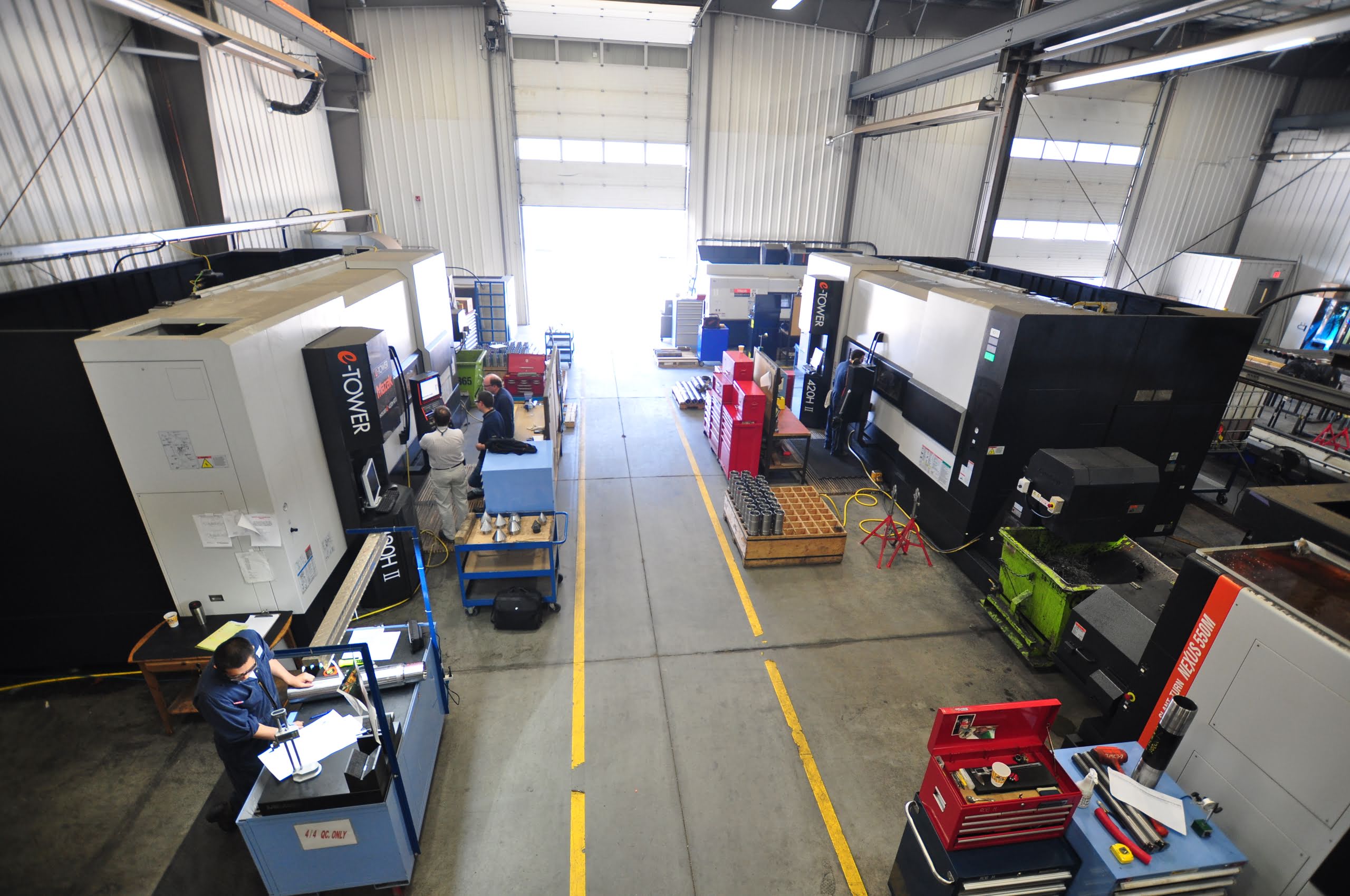
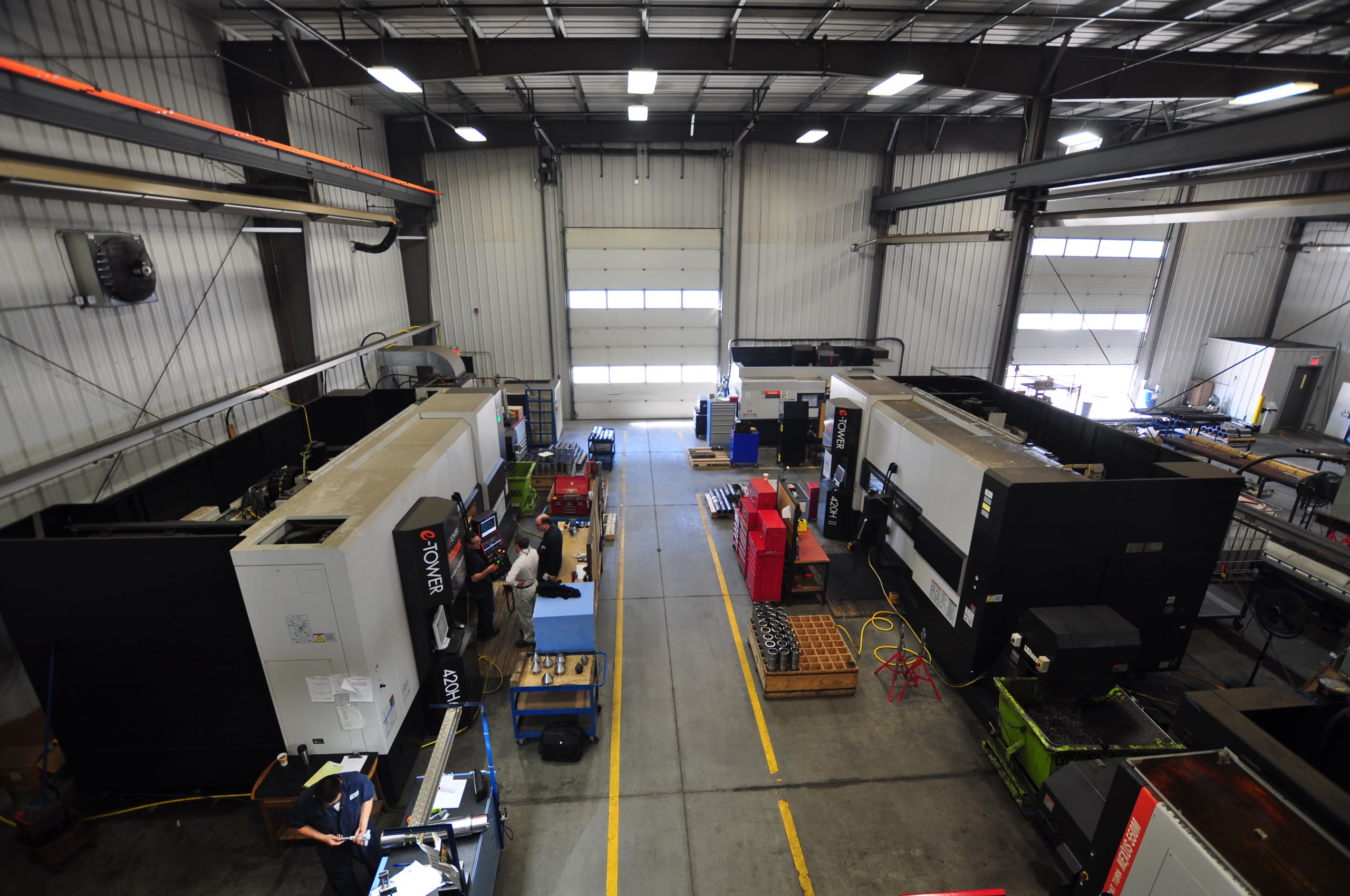
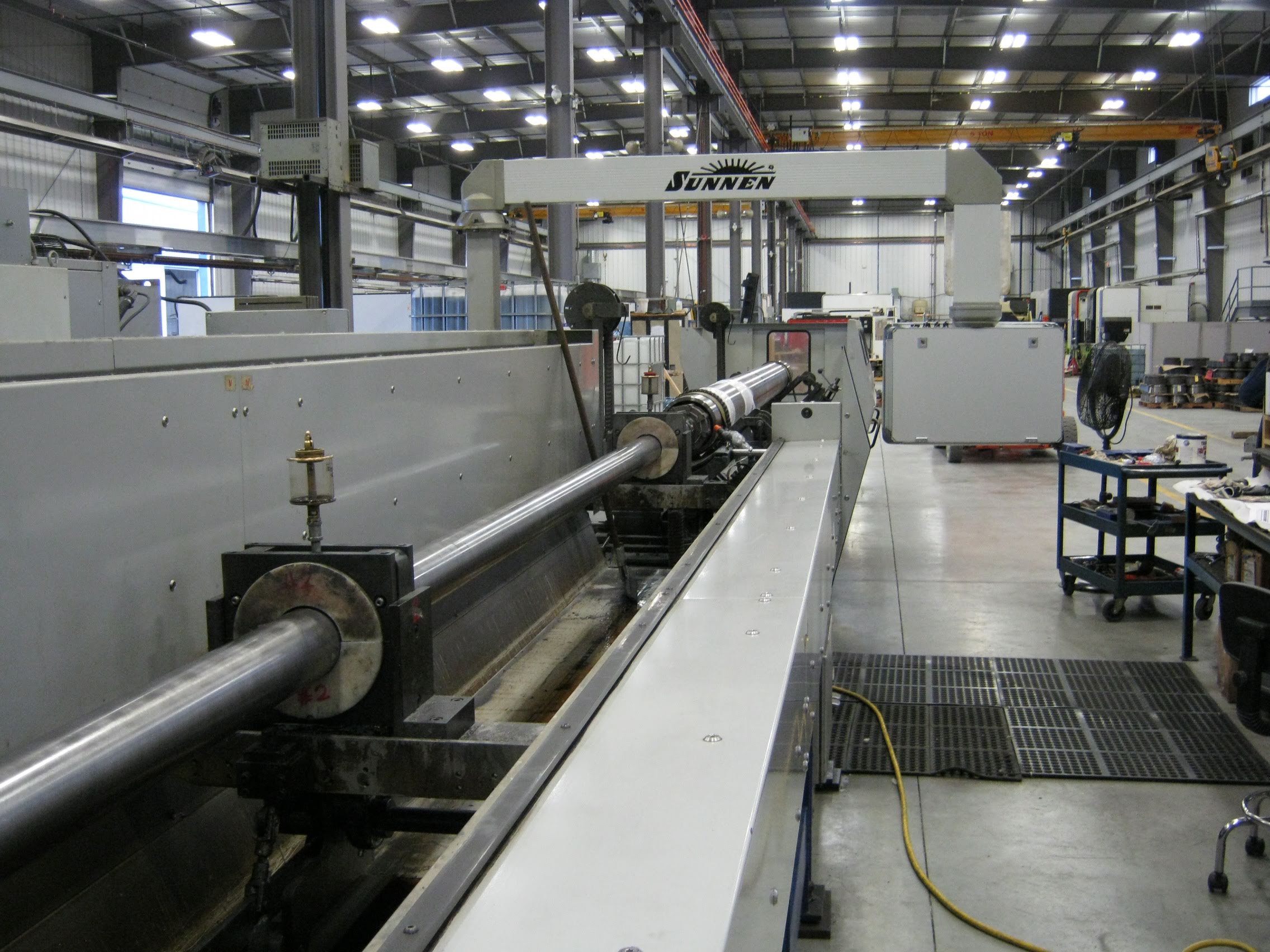
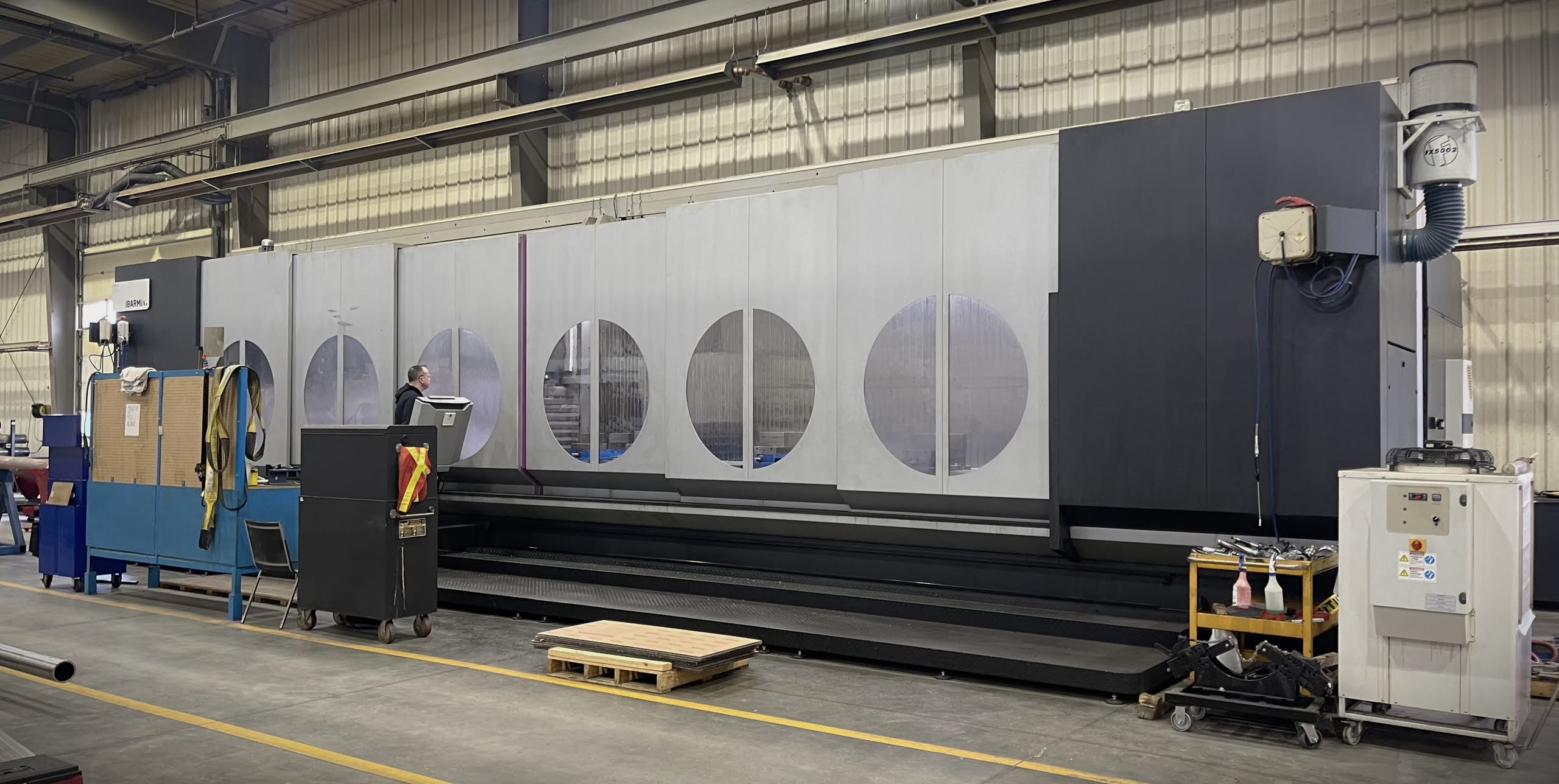
Review the supplier’s equipment and inspection resources, ask how material heat numbers are maintained, and confirm what will be included in the final documentation package. Norquest supports projects with CMM and FARO arm inspection, precision gauging, NDE options and inspection and traceability records tailored to customer requirements.
- Is the certification current and issued for the correct facility and scope?
- Can the manufacturer control special processes and outside suppliers?
- Are inspection points defined before production begins?
- Can material, process and inspection records be traced to the delivered lot?
- Does the supplier have the machining, testing and engineering capacity required?
Which Standard Matters More?
The answer depends on the application. ISO 9001 is widely valuable because it establishes a disciplined quality-management foundation. For petroleum and natural gas manufacturing, API Spec Q1 provides additional relevance because it is designed around the sector’s product and operational risks.
For many oilfield buyers, a manufacturer registered to both standards offers a useful combination: internationally recognized quality-management principles and oil-and-gas-specific controls. The final supplier decision should still consider technical capability, production capacity, documentation, delivery performance and the team’s ability to communicate when requirements change.
Frequently Asked Questions
Is API Spec Q1 the same as ISO 9001?
No. They share quality-management concepts, but API Spec Q1 is designed for organizations supplying the petroleum and natural gas industry and contains additional sector-specific requirements.
Does API Spec Q1 replace product specifications?
No. A quality-management certification does not replace the drawing, material standard, customer specification or product-specific code that governs the component.
Why would a manufacturer hold both certifications?
Holding both can demonstrate a broad ISO-based quality foundation alongside additional controls relevant to oil and gas manufacturing.
Discuss a Certified Manufacturing Project
Norquest Industries combines precision machining, engineering, assembly, testing and documented quality controls at its Edmonton manufacturing facilities.
Send your drawings, specifications and documentation requirements through the contact page to start a technical review.
about
avada factory
Sempery ultricies nibh at dolor cras urna eleifend nec. Atiam efficitur tempor.