Oil and gas manufacturing depends on more than accurate machine tools. Product quality is shaped by how requirements are reviewed, materials are controlled, suppliers are managed, processes are verified and records are preserved. API Spec Q1 provides a sector-specific quality-management framework for bringing those activities together.
The result is not simply more paperwork. When the system is applied effectively, it can reduce ambiguity, identify risk earlier, support consistent execution and give customers clearer evidence that critical requirements were addressed.
Quality Begins Before Machining
Many manufacturing problems originate before a cutting tool touches material. A missing note, conflicting revision, unclear acceptance criterion or misunderstood documentation requirement can create scrap, delays or disputed results.
API Spec Q1 supports formal contract review and product-realization planning. This encourages the manufacturer to verify technical, quality, delivery and regulatory requirements before committing resources. Questions can be resolved while changes are still inexpensive.
Risk Assessment Creates Better Production Plans
Oilfield products may face pressure, temperature, erosion, corrosion, vibration and repeated loading. Manufacturing risks can also come from material availability, complex geometry, special processes, inspection access or reliance on external suppliers.
A risk-based approach helps the team decide where additional controls are justified. That may include first-article inspection, added in-process measurements, material verification, qualified procedures, hold points, NDE or functional testing.
Supplier and Special-Process Control
A machined component may pass through heat treatment, coating, plating, NDE or other external operations. The finished product is only as reliable as the complete supply chain. API Spec Q1 requires the organization to control externally provided products, processes and services in a manner appropriate to their effect on conformity.
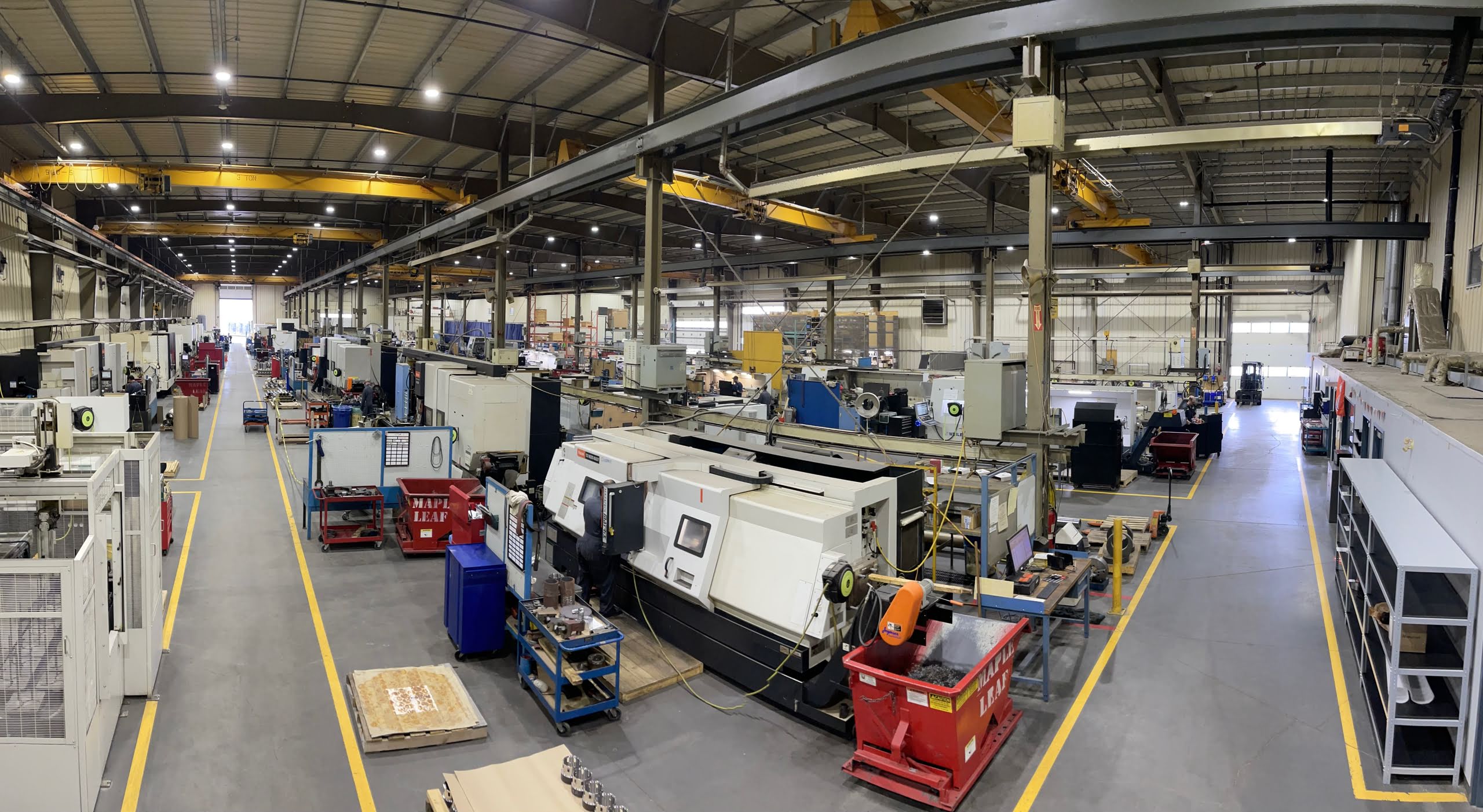
Norquest combines substantial in-house capability with a vetted supply chain and coordinates work through its turnkey manufacturing model. This gives customers a single point of responsibility while supporting process documentation and scheduling control.
Inspection, Calibration and Traceability
Inspection must be planned around the features that matter. Final inspection alone may not be enough when a characteristic becomes inaccessible later in production or when intermediate dimensions affect subsequent operations.
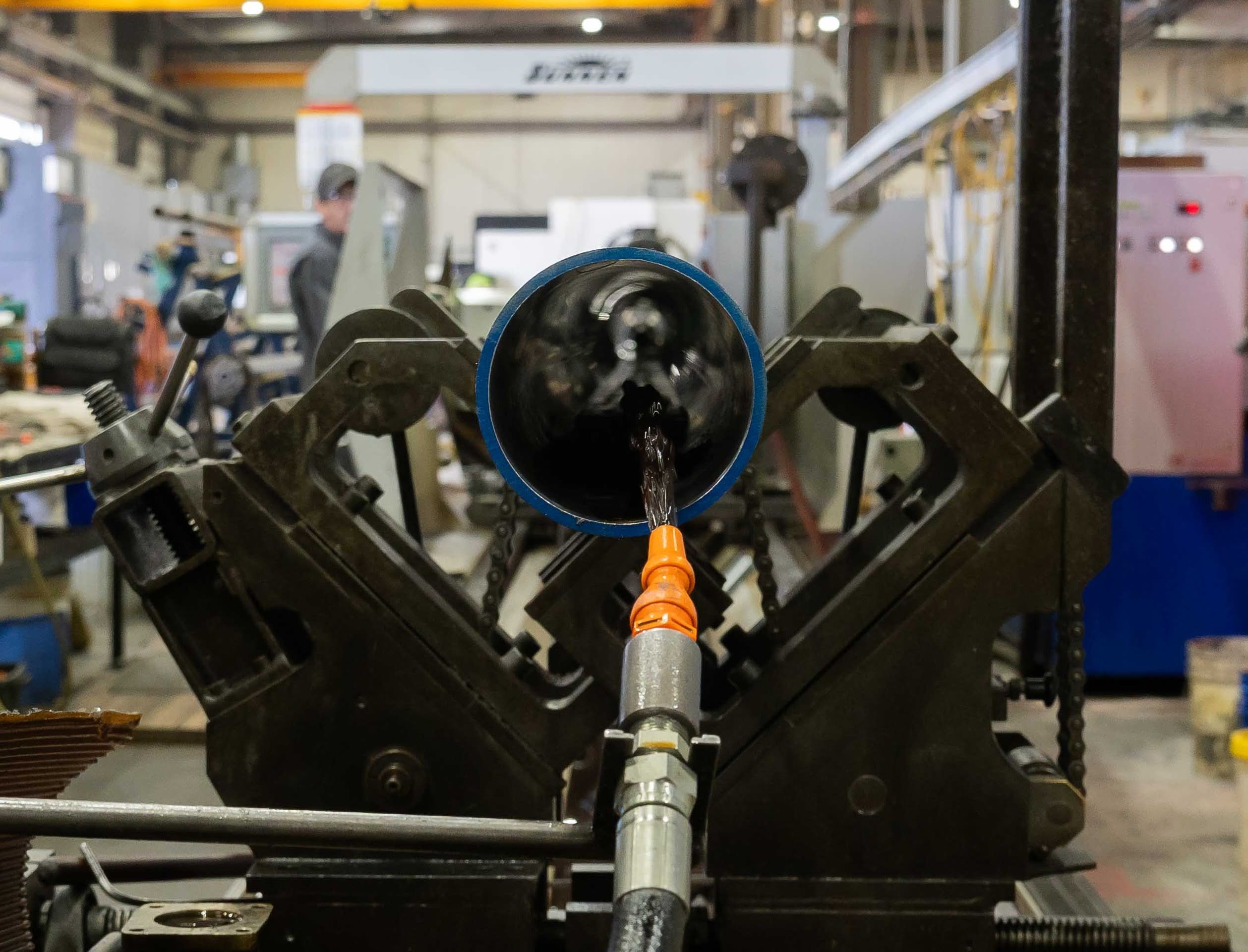
Norquest’s quality assurance process can include CMM inspection, FARO arm measurement, precision gauging, surface-finish verification, MPI or LPI and pressure or functional testing where specified. Its traceability controls can preserve material heat numbers, certifications, inspection records and process history.
Nonconformance and Corrective Action
A mature quality system does not assume problems will never occur. It defines how a nonconforming condition is identified, segregated, evaluated and dispositioned. When the issue is significant or recurring, corrective action should address the underlying cause rather than only the immediate symptom.
This discipline protects the customer, preserves objective evidence and creates opportunities for continual improvement. Over time, lessons from inspection data, supplier performance and production experience can improve planning and reduce variation.
What This Means for the Customer
For the buyer, API Spec Q1 can improve confidence that product requirements are translated into controlled manufacturing activities. It can also make supplier audits and final-data review more efficient because records are produced within a defined system.
The greatest value appears when the customer and manufacturer define expectations early. Required inspection reports, material records, certificates, witness points and acceptance criteria should be identified before production begins.
Frequently Asked Questions
How does API Spec Q1 reduce manufacturing risk?
It requires structured controls for planning, suppliers, product realization, inspection, nonconformance, contingency and continual improvement.
Does API Q1 require traceability for every part?
Traceability requirements depend on the standard, customer, product and quality plan. The manufacturer must define and control applicable identification and traceability requirements.
Can API Spec Q1 improve delivery performance?
Its planning, supplier-control and contingency requirements can support more predictable execution, although actual delivery also depends on capacity, materials and project complexity.
Bring Quality Planning Into Your Next Oilfield Project
Norquest provides precision machining, deep ID processing, welding, coatings, assembly, testing and engineering support under API Spec Q1 and ISO 9001 quality systems.
Contact the team through the project inquiry page to review drawings, quality clauses and delivery requirements.
about
avada factory
Sempery ultricies nibh at dolor cras urna eleifend nec. Atiam efficitur tempor.