Manufacturing buyers do not need to become certification auditors, but understanding the core ISO 9001:2015 requirements can improve supplier qualification and project outcomes. The standard describes a process-based quality management system designed to support consistent products and services, customer satisfaction and continual improvement.
Knowing what the QMS is intended to control makes it easier to ask meaningful questions about quoting, production, inspection, changes and records.
Context and Scope
The organization defines the internal and external factors relevant to its purpose, identifies interested parties and establishes the scope of the QMS. For buyers, the key issue is whether the certificate’s scope and facility cover the work being sourced.
A certificate issued to a different division, site or activity may not provide the assurance the buyer expects.
Leadership and Customer Focus
Leadership is expected to take accountability for the QMS, establish policy and objectives, provide resources and promote customer focus. This matters because quality performance often depends on management decisions about capacity, training, maintenance and priorities.
During supplier evaluation, look for evidence that management reviews performance and supports corrective action rather than treating quality as an administrative requirement.
Planning, Risks and Quality Objectives
ISO 9001:2015 requires organizations to address risks and opportunities and establish measurable quality objectives. A machine shop may track on-time delivery, scrap, rework, customer complaints, supplier performance or corrective-action effectiveness.
Buyers can ask which metrics are used and how trends lead to improvement.
Support: People, Infrastructure and Documented Information
The organization must provide competent people, suitable infrastructure, an appropriate work environment, monitoring and measurement resources, organizational knowledge and controlled information.
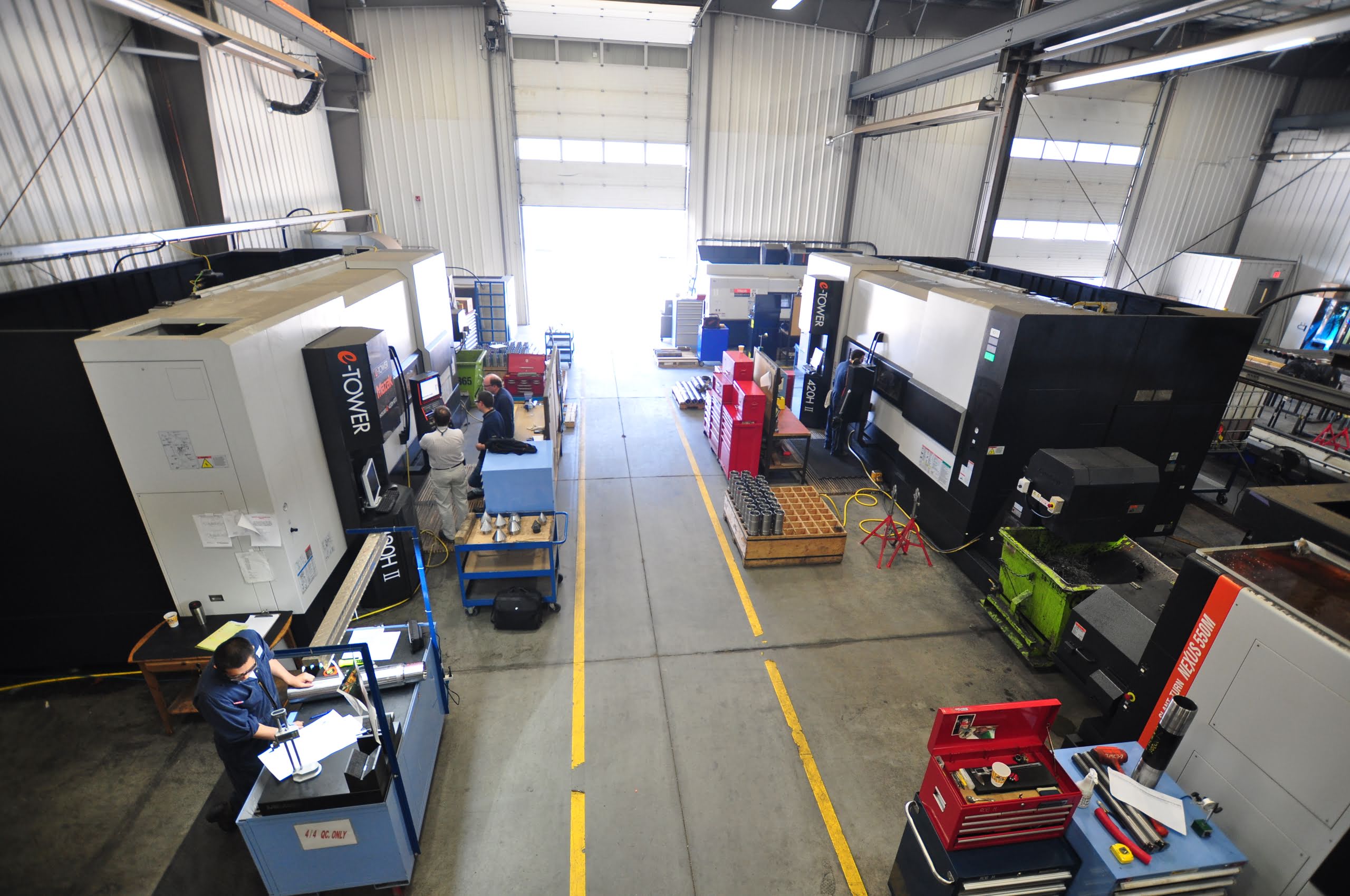
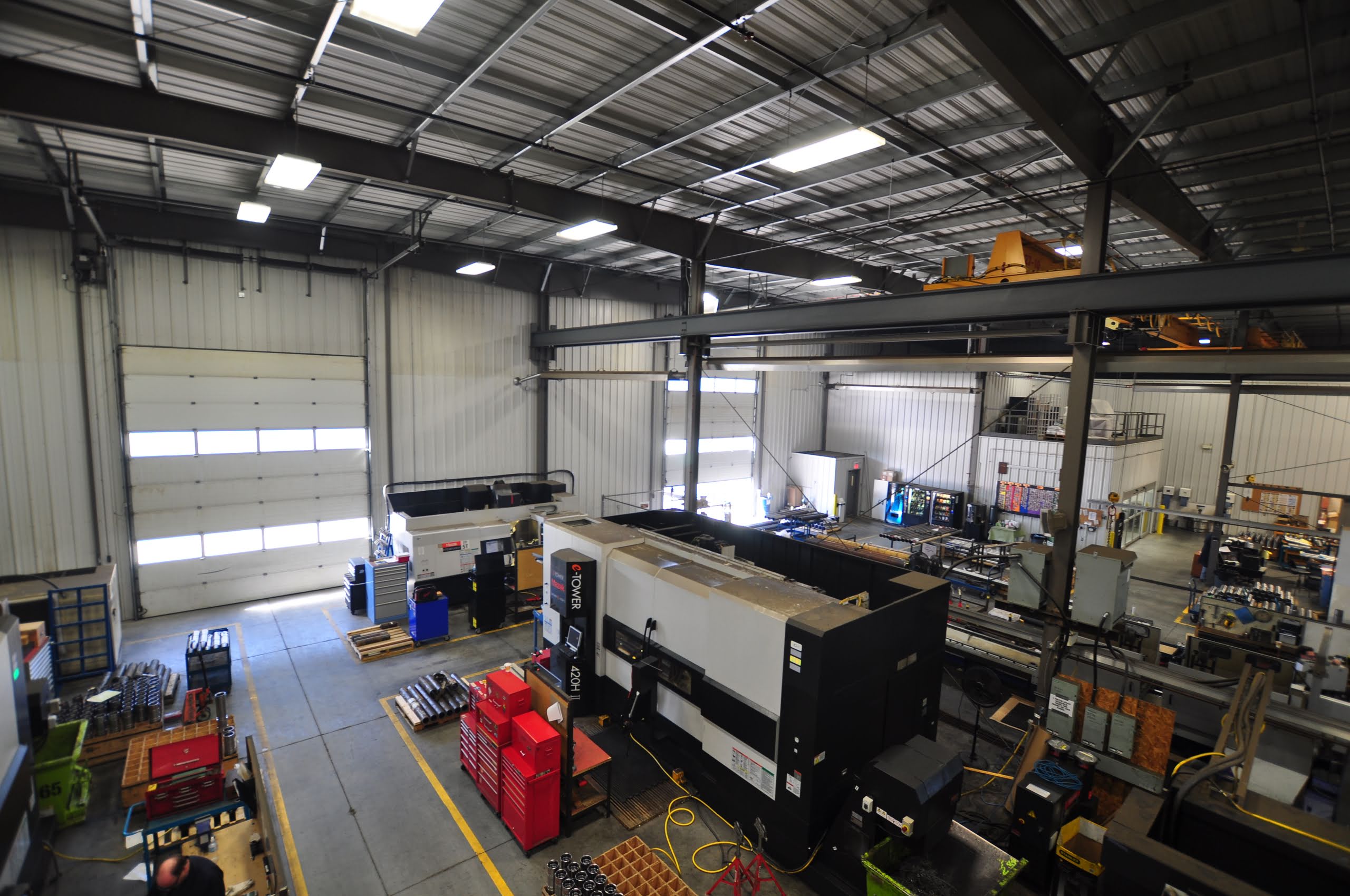
In machining, that translates into trained operators and inspectors, maintained machines, calibrated gauges, current drawings and preserved records. Norquest describes its machines and metrology resources on the equipment list.
Operation and Control of External Providers
Operational requirements cover customer communication, review of product requirements, design where applicable, control of suppliers, production, identification, preservation, change control and product release.
Buyers should pay particular attention to outsourced special processes. The prime supplier remains responsible for ensuring externally provided work meets the applicable requirements.
Performance Evaluation
The QMS must be monitored and evaluated through data, customer feedback, internal audits and management review. These processes help the organization determine whether controls are effective and where improvement is needed.
A supplier should be able to discuss audit findings and performance trends without disclosing confidential customer information.
Improvement and Corrective Action
When nonconformity occurs, the organization must control the condition, address consequences and determine whether action is needed to prevent recurrence. Corrective action should be proportionate to the effect of the issue.
Buyers should establish communication and approval requirements for nonconforming product before work begins.
How to Turn ISO Requirements Into Supplier Questions
The following questions connect ISO 9001 concepts to practical sourcing decisions.
- How do you confirm that all drawing and purchase requirements are understood?
- What risks have you identified for this component?
- How do you approve and monitor outside processors?
- Which measurements will be performed in-process and at final inspection?
- How are drawing changes communicated to production?
- What happens if a characteristic does not meet requirements?
- Which records will be retained and supplied to us?
ISO 9001 at Norquest Industries
Norquest’s ISO 9001:2015 system supports precision machining, engineering, ID processing, value-added services, assembly, inspection and documentation. The company also holds API Spec Q1 registration for its petroleum and natural gas manufacturing scope.
Buyers can review the certification details, quality assurance process and documentation capabilities before submitting an RFQ.
Frequently Asked Questions
Does ISO 9001 require a specific manufacturing process?
No. It establishes QMS requirements. The organization determines the processes needed to deliver conforming products and services.
Does ISO 9001 require every activity to have a written procedure?
The organization must maintain and retain documented information needed for effective process operation and evidence of results, but the standard does not mandate a procedure for every task.
Can customers request additional controls beyond ISO 9001?
Yes. Contract, drawing, code, regulatory and customer-specific requirements can add controls beyond the base QMS standard.
Translate Quality Requirements Into a Practical Manufacturing Plan
Norquest’s team can review drawings, inspection points, traceability and documentation requirements before production begins.
Submit your project through the contact page or explore turnkey manufacturing for a coordinated solution.
about
avada factory
Sempery ultricies nibh at dolor cras urna eleifend nec. Atiam efficitur tempor.