CNC milling and CNC turning are two foundational machining processes. The best choice depends primarily on part geometry, but tolerances, features, material, production volume and setup strategy also matter. Many complex components use both processes, sometimes within one integrated machine.
Understanding the difference helps engineers design more manufacturable parts and helps buyers evaluate whether a machine shop has the right equipment for the job.
What Is CNC Turning?
In CNC turning, the workpiece rotates while cutting tools remove material. The process is naturally suited to cylindrical or rotationally symmetric parts such as shafts, pins, bushings, sleeves, flanges and threaded components.
Turning can produce outside and inside diameters, faces, grooves, tapers, bores and threads. Live tooling and additional axes can add milled flats, holes and slots without moving the part to a separate machine.
What Is CNC Milling?
In CNC milling, the cutting tool rotates and moves relative to a generally stationary workpiece. Milling is suited to prismatic parts, pockets, faces, slots, bolt patterns, complex contours and features located at different angles.
Three-axis machining handles many standard features. Four- and five-axis systems can orient the part or tool to reach additional surfaces, reduce setups and create complex geometry.
The Main Difference: What Rotates
Turning rotates the workpiece. Milling rotates the cutting tool. That simple distinction influences the most efficient geometry for each process.
A long shaft with stepped diameters is usually turning-dominant. A rectangular manifold with intersecting ports is typically milling-dominant. A flanged shaft with bolt circles and keyways may need both.
When to Choose Turning
Turning is usually the efficient starting point when most critical features share a centreline.
- The part is round or rotationally symmetric
- Outside and inside diameters dominate the design
- Concentricity and runout are important
- The component includes turned threads, tapers or grooves
- Production volume benefits from bar-fed or automated processing
When to Choose Milling
Milling is commonly selected when the part has multiple flat surfaces or features distributed in three dimensions.
- The component is prismatic rather than cylindrical
- It contains pockets, slots, contours or bolt patterns
- Features must be machined from several orientations
- Complex surfaces or angled holes are required
- A multi-axis strategy can reduce setups
Why Integrated Turn-Mill Machines Matter
Some machine tools combine turning and milling in one work cell. For suitable components, this can reduce manual transfers, preserve datum relationships and complete more of the part in one setup.
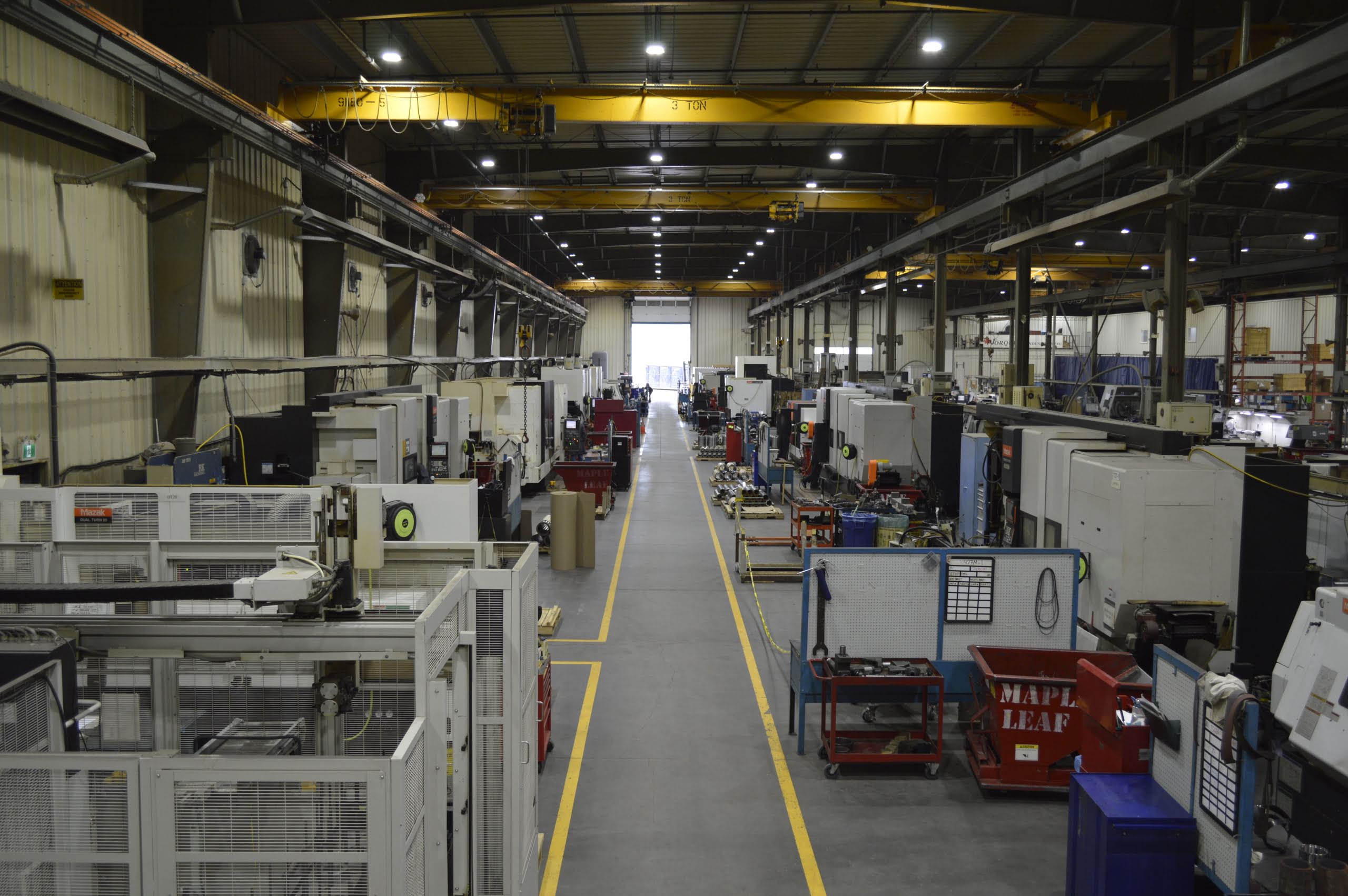
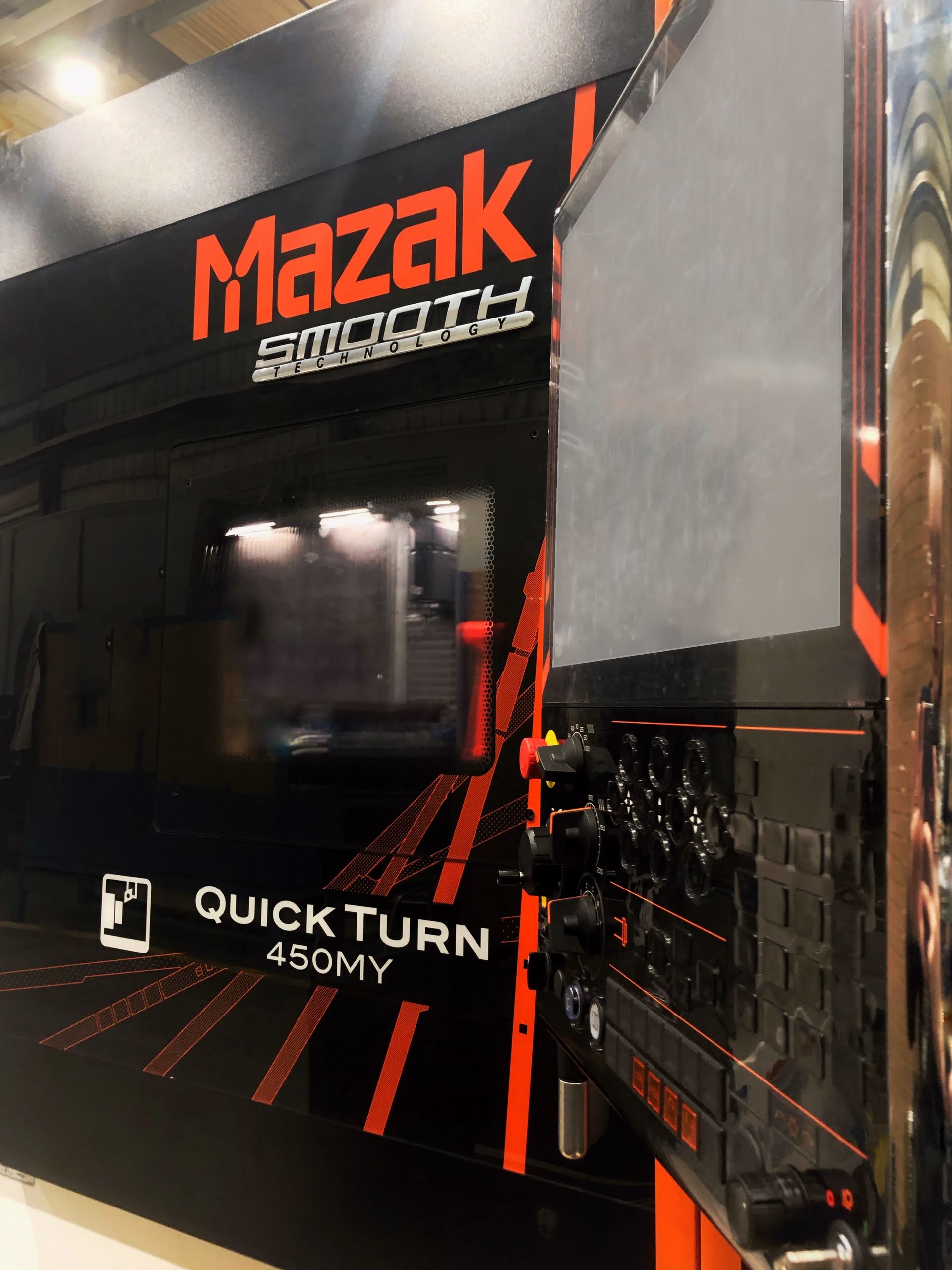
Norquest’s integrated multi-axis machining includes combined turning and milling centres, many with chuck-to-chuck capability.
Tolerance, Setup and Datum Strategy
The process should be selected around functional datums and critical relationships. Moving a component between machines can introduce setup variation, but a single setup is not automatically better if it creates poor tool access or unstable workholding.
Manufacturing engineers weigh accuracy, rigidity, chip control, inspection access, cycle time and risk when developing the routing.
Material and Volume Considerations
Hardness, toughness, thermal behaviour and chip formation affect both milling and turning. Production quantity also influences the decision: a prototype may favour flexible setups, while repeat production may justify dedicated tooling, automation or a specialized cell.
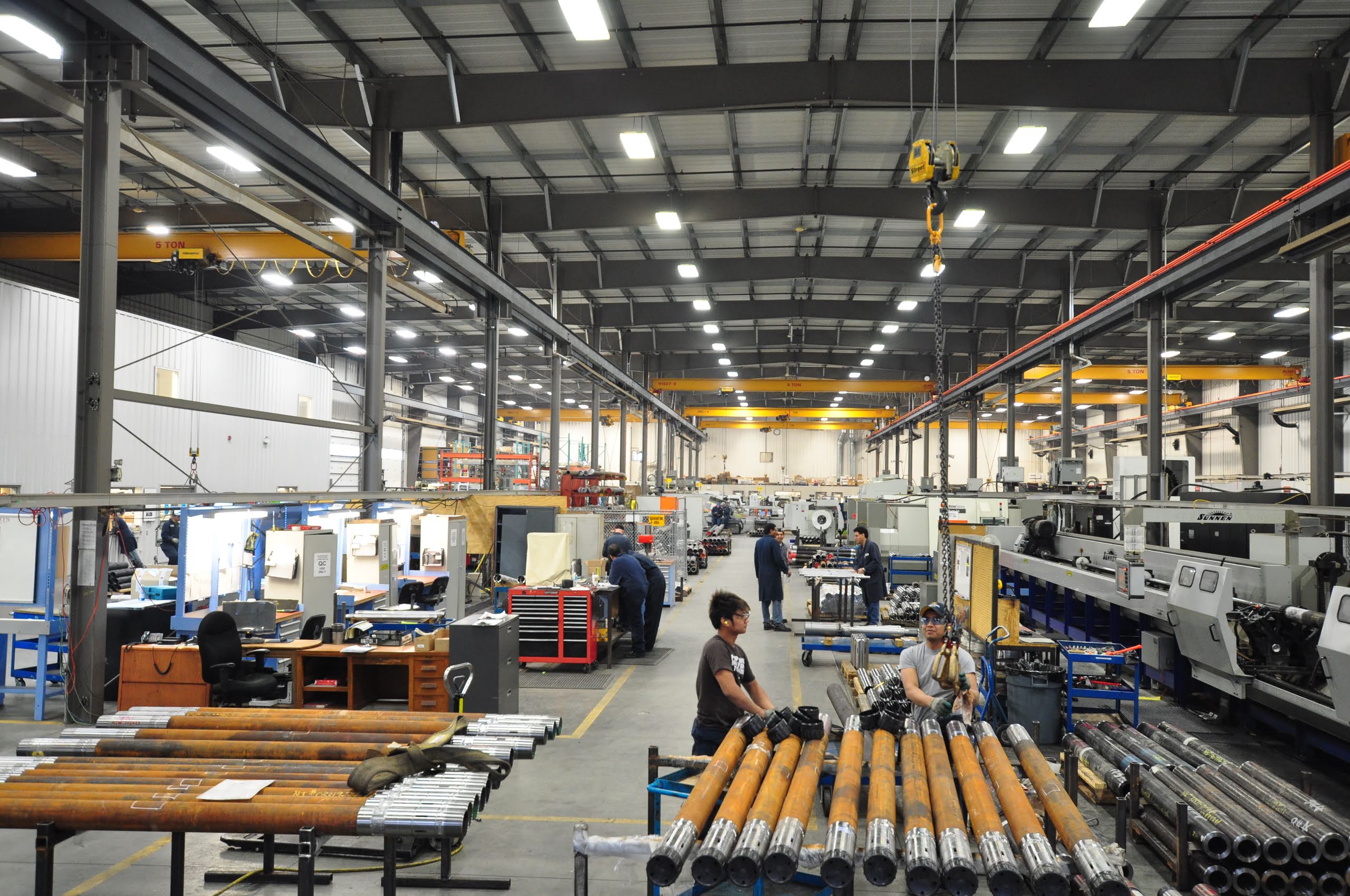
Norquest supports prototype development, high-production CNC and quick-turn work across a broad machine fleet.
Questions to Ask Your Machine Shop
A capable shop should explain why it selected a particular process and how it will verify the result.
- Which features drive the initial setup and datum scheme?
- Can turning and milling be consolidated?
- How many setups will be required?
- How will distortion and workholding be controlled?
- Which dimensions will be inspected between operations?
- Does the volume justify automation or dedicated tooling?
Frequently Asked Questions
Can a CNC lathe perform milling?
Some turning centres use live tooling and additional axes to mill features. Capability varies by machine.
Is five-axis milling always more accurate?
Not automatically. It can reduce setups and improve access, but accuracy still depends on machine condition, programming, tooling, workholding and inspection.
Can one part require both milling and turning?
Yes. Many industrial components combine rotational and prismatic features.
Choose the Right Machining Strategy
Norquest’s diverse equipment fleet supports turning, milling, integrated multi-axis machining and specialized ID processing.
Send your drawing through the contact page for a process and manufacturability review.
about
avada factory
Sempery ultricies nibh at dolor cras urna eleifend nec. Atiam efficitur tempor.