Moving from prototype to production is not simply a matter of ordering more parts. The process must evolve from flexible learning and design validation into repeatable manufacturing, controlled inspection, predictable supply and managed change.
The right partner can support both stages while helping the customer understand which prototype methods will translate effectively into production. The wrong partner may create a prototype that works once but cannot be reproduced economically or consistently.
The Purpose of a Prototype
A prototype may be built to evaluate fit, function, ergonomics, assembly, load, sealing, installation or a manufacturing method. The intended test should be defined before the part is made.
A visual model does not need the same material or tolerances as a functional field-test component. Over-specifying an early prototype can waste time, while under-specifying it can make the test meaningless.
Choose a Partner With Production Awareness
A prototype manufacturer should understand how the design could be produced at the expected future volume. Tool access, material utilization, setup count and inspection needs can all change the economics of production.
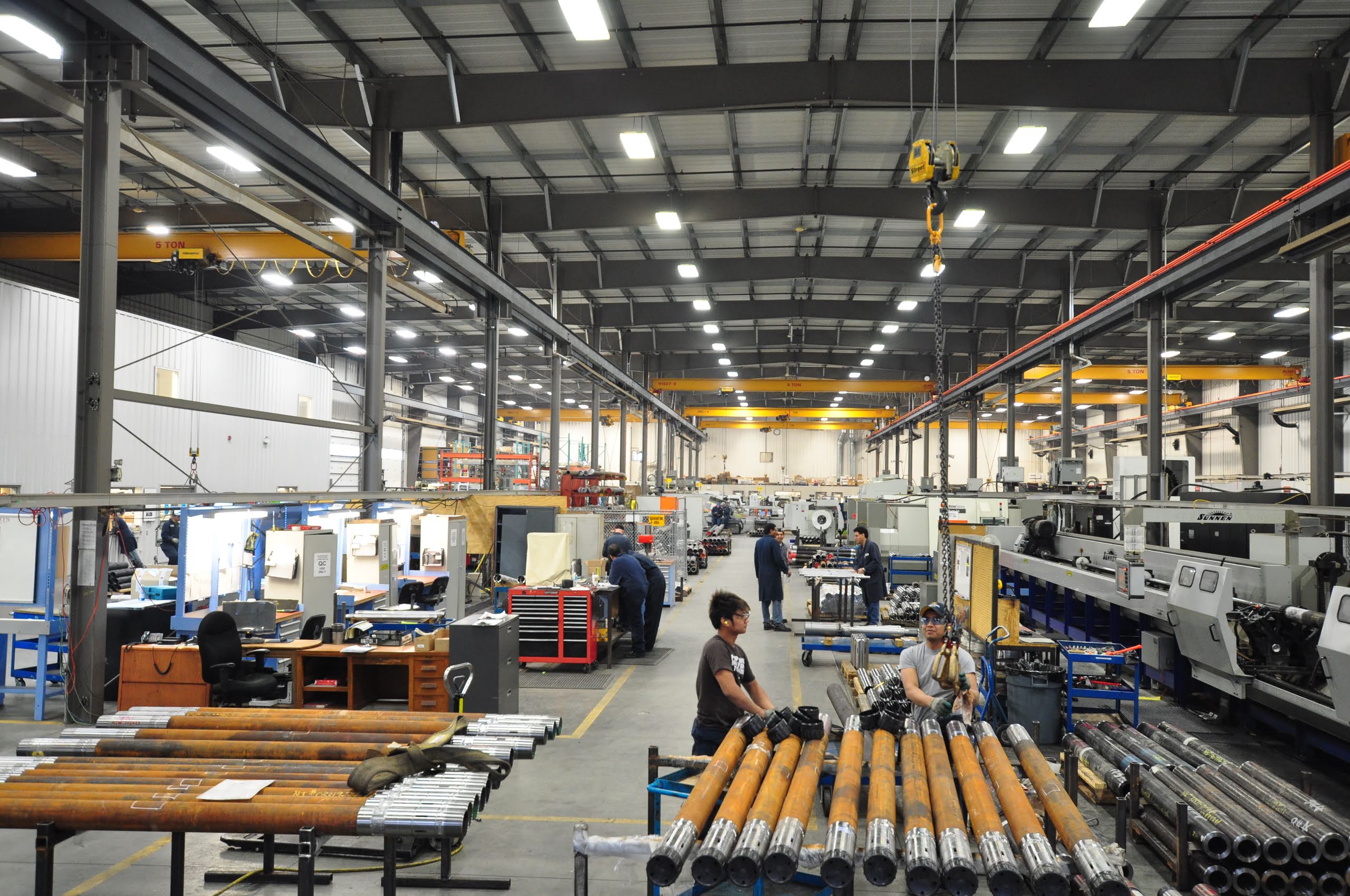
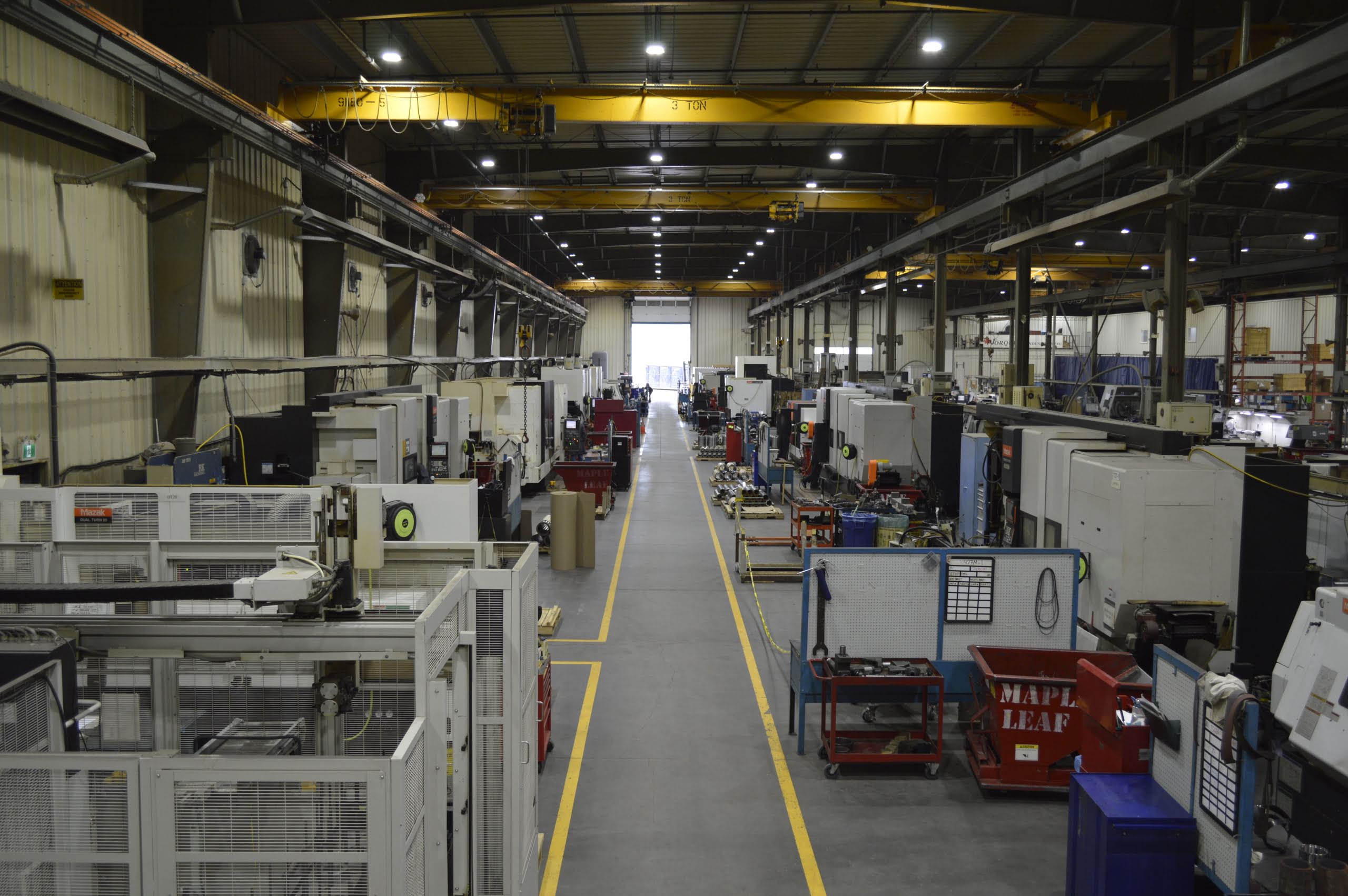
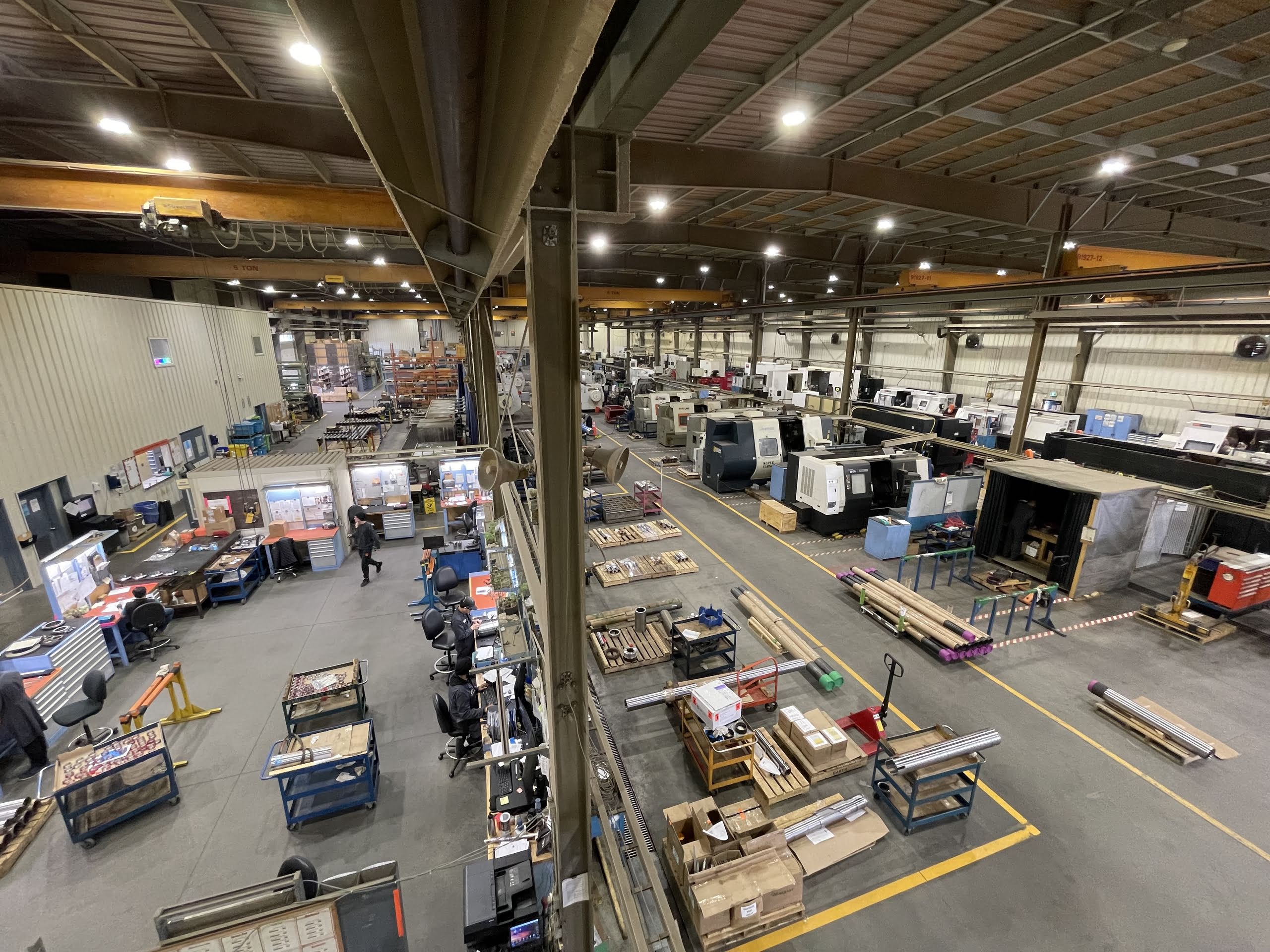
Norquest’s prototype development combines engineering input with CNC and manual machining, welding, brazing and inspection.
Use Prototypes to Reduce Risk
Testing can reveal interference, distortion, inaccessible fasteners, difficult assembly, excessive sensitivity to tolerance or unexpected wear. These findings are most valuable when documented and converted into controlled design decisions.
A prototype should not be treated as automatic production approval. The validated design, process and inspection plan must be clearly established.
Prepare for the Production Transition
Production readiness includes more than a final drawing. The parties should review material supply, tooling, cycle time, machine capacity, outside processes, inspection frequency, packaging, documentation and expected demand.
Pilot or pre-production lots can confirm process capability before the full release.
Configuration and Change Control
Fast-moving development projects generate frequent model and drawing revisions. The manufacturer needs a reliable method for controlling which revision applies to each work order, material purchase, program and inspection report.
After production release, changes should be assessed for their effect on inventory, tooling, qualification, field interchangeability and records.
Quality Planning for Scale
Inspection that is practical for five parts may be too slow for five thousand. Production planning should identify stable processes, appropriate sampling, automated measurement or dedicated gauges where justified.
Norquest’s quality assurance and traceability processes can be tailored from one-off development work to repeat manufacturing.
Supply Strategy After Launch
Demand may be uncertain during launch and later become predictable. A manufacturing partner should be able to discuss lead-time reduction, blanket orders, stocked inputs, finished-goods programs or consignment.
Norquest offers inventory consignment and quick-turn manufacturing to support changing demand.
What to Look for in a Prototype-to-Production Partner
The ideal partner combines flexibility with disciplined quality and enough breadth to support the product as it matures.
- Engineering and manufacturability collaboration
- Flexible prototype and small-batch equipment
- Production CNC capacity and process repeatability
- Material, special-process and supplier control
- Inspection and test capability
- Configuration, traceability and documentation systems
- Assembly, packaging and logistics support
- A plan for inventory and demand changes
One Partner, Fewer Transitions
Norquest can support the path from concept through engineering, prototype, machining, finishing, inspection, assembly and testing and production supply.
Keeping development and production knowledge connected can reduce relearning and support faster root-cause analysis when changes are needed.
Frequently Asked Questions
Should prototypes use production material?
It depends on the test. Functional, load, wear or environmental testing may require representative material, while early fit models may not.
When is a product ready for production?
Readiness requires an approved design, defined process, supply plan, quality plan, documentation and evidence that key risks have been addressed.
Can the same supplier make prototypes and production parts?
Yes, and doing so can preserve process knowledge, provided the supplier has both flexible development capability and adequate production capacity.
Move From Concept to Reliable Production
Norquest offers prototype development, engineering, multi-axis machining, turnkey processing and production support from its Edmonton facilities.
Start the conversation through the contact page with your model, drawing or early concept.
about
avada factory
Sempery ultricies nibh at dolor cras urna eleifend nec. Atiam efficitur tempor.